Choosing the right plates for vest training makes the difference between a snug, balanced session and a chafing, breath-restricting grind. Whether you’re walking, rucking, or doing bodyweight circuits, the goal is secure load, even distribution, and predictable progression.
What makes a good plate for a weighted vest?
- Fit and compatibility: Plates must match your vest’s plate pocket size and shape. Flat, laser-cut steel plates fit most “plate carrier” style vests; ruck plates fit ruck carriers and some hybrid vests.
- Even balance: Use matched pairs (front and back) to keep your center of mass neutral and reduce lower-back strain.
- Smooth edges and coating: Rounded corners and a durable powder coat reduce hot spots and fabric wear.
- Secure retention: Look for Velcro straps or elastic sleeves inside the vest to prevent bounce.
- Progression-friendly increments: Plates in sensible steps (e.g., 5–10 lb per plate) make it easy to nudge load up without overreaching.
How heavy should your vest plates be?
Start lighter than you think and build capacity methodically. Here are practical guidelines I use with clients:
- Walking/rucking: 5–10% of bodyweight for beginners. Example: 180 lb athlete starts with 10–18 lb total, split front/back.
- Hills or stairs: Stay near the lower end of that range until your breathing and posture stay clean for the full session.
- Calisthenics (push-ups, squats, lunges, pull-ups): 5–15% of bodyweight. Start small; range of motion and joint control come first.
- Progression: Add 2.5–5 lb per week (or every other week) as long as pace, posture, and recovery remain solid.
Vest compatibility checklist
Before you buy plates, confirm:
- Pocket dimensions: Measure height, width, and depth of the plate cavity. Manufacturers often list recommended plate sizes.
- Fastening: Internal straps, elastic, or hook-and-loop should lock plates high and tight on the torso.
- Breathing room: The top of the front plate should sit below the clavicles and not dig into your throat when you jog or climb.
- No sway: If you can shake the vest and feel the plates clunk, add spacers or adjust straps until movement disappears.
Training ideas using vest plates
- Steady walk/ruck: 30–60 minutes on mixed terrain at a conversational pace.
- Uphill intervals: 3–6 x 2–5 minutes uphill, easy walk back down.
- Stairs: 10–20 minutes of controlled climbs; keep steps short and posture tall.
- Strength circuit: 4–6 rounds of push-ups, air squats, walking lunges, and bent-over rows with rest kept honest.
Estimate your calorie burn
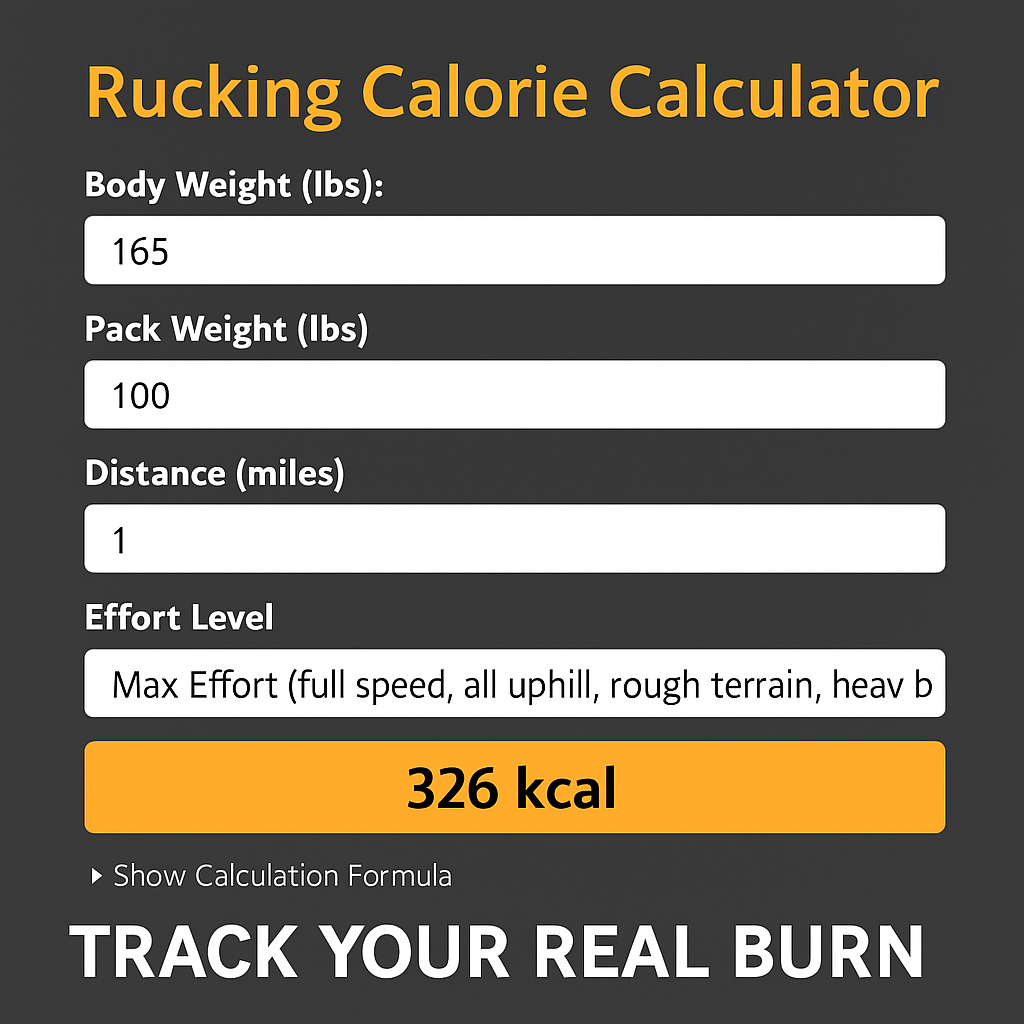
Load and pace drive energy cost. Use the Rucking Calorie Calculator to estimate your session’s burn based on distance, speed, and weight.
Open the Rucking Calorie Calculator

Recommended plates and compatible gear
If you need durable, well-balanced plates for a carrier-style vest, these are solid, field-tested options:
WOLF TACTICAL Weight Vest Plates (pairs)
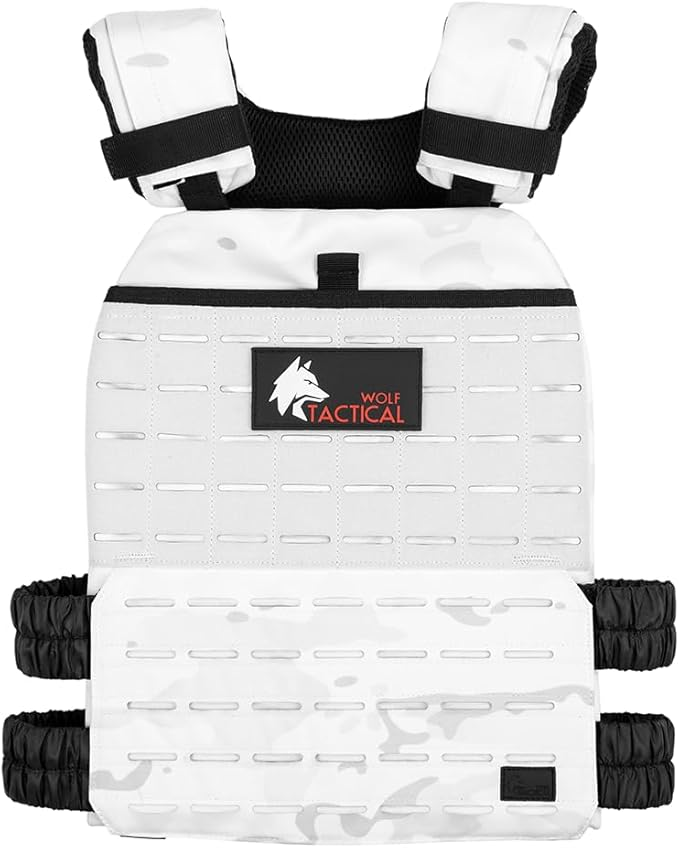
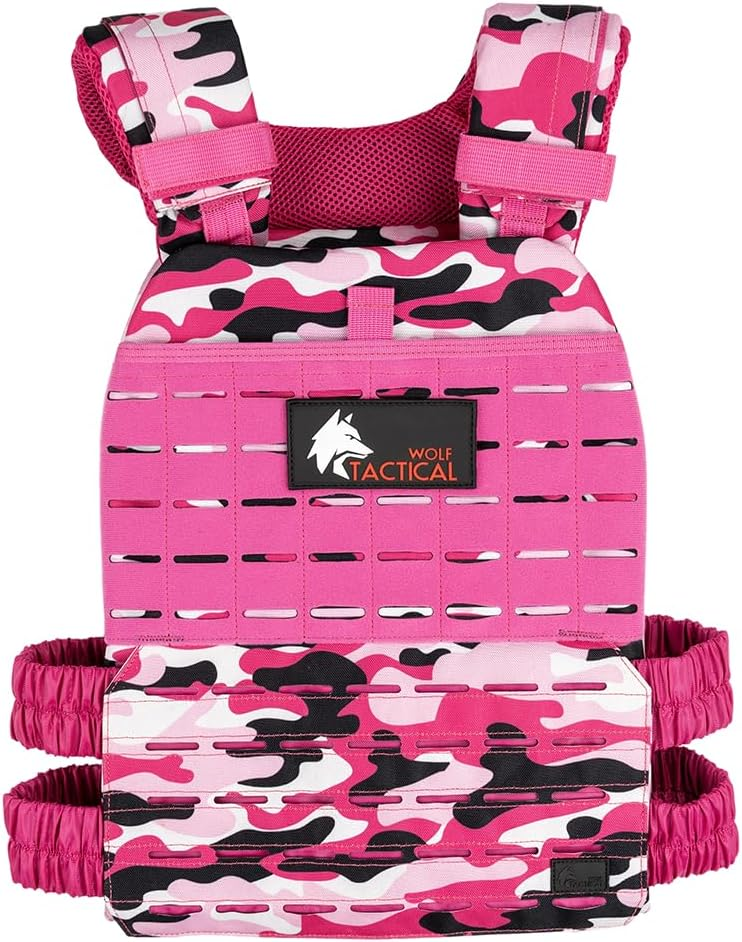
Balanced steel plates designed to ride high and snug in plate carriers. Check your vest’s pocket dimensions and choose the weight pair that matches your goals. Consider the WOLF TACTICAL Weight Vest Plates (pairs) for reliable fit and clean edges.

Yes4All Ruck Weight Plate
Flat steel ruck plates slot beautifully into ruck carriers and select vests that accept ruck-style plates. Great for stable load and easy progression. The Yes4All Ruck Weight Plate offers multiple sizes for dialing in weight.

5.11 Tactical TacTec Trainer Weight Vest
If you’re still choosing a carrier, the 5.11 Tactical TacTec Trainer Weight Vest is known for comfort, breathability, and secure plate retention—key for longer sessions and dynamic movements.

Bottom line: match plate type to your vest, start light, and progress in small, consistent steps. Keep plates high and tight, and your posture tall and relaxed.