Why the Primal Strength weighted vest concept matters for rucking and bodyweight work
When people search for a “Primal Strength weighted vest” they’re often trying to balance durability, fit, and how a vest affects movement mechanics. As an ISSA-certified trainer who programs weighted-vest work for outdoor rucks, hikes, and bodyweight strength routines, I focus on three things: comfort under load, predictable placement of weight, and a vest you’ll actually wear frequently.
Key fit and build features to inspect
- Secure shoulder and chest fit — keeps load centered and minimizes bounce.
- Adjustable plate pockets or modular weights — lets you scale from bodyweight-only to heavy conditioning.
- Durable materials and reinforced seams — weighted vests get abused outdoors.
- Breathability and range of motion — critical for long walks, hills, and sprint intervals.
A Primal Strength weighted vest-style product should check those boxes. If a vest bunches, slides, or creates local pressure points, you’ll change your gait and increase injury risk on longer rucks.
How to choose load and progression
Start conservative. For most people new to weighted-vest training I recommend beginning with 5–10% of bodyweight and building by 2.5–5% increments every 2–4 weeks depending on recovery. That gives you time to adapt posture and stride without breaking form.
Sample 8-week progression
- Weeks 1–2: bodyweight or 5% BW for 20–30 minute walks.
- Weeks 3–4: add 5%–10% BW, 30–45 minute rucks with easy terrain.
- Weeks 5–6: increase by another 5%, add hill repeats or interval segments.
- Weeks 7–8: work toward 15%–20% BW for conditioned athletes, maintain volume and add strength circuits.
Progression should be guided by joint comfort, sleep quality, and consistent performance gains. If your posture collapses or you feel joint flare-ups, drop load or volume for a recovery week.
Programming ideas for a Primal Strength weighted vest-style session
Whether you’re rucking, hiking, or doing circuits, the vest changes stimulus more than any single exercise. Here are practical sessions you can use outdoors:
- Endurance ruck: 60 minutes steady at conversational pace with 10%–15% BW.
- Mixed intervals: 5 x (5 minutes brisk ruck + 1 minute bodyweight circuit) for 30–40 minutes total.
- Strength hybrid: weighted vest pull-ups, push-ups, lunges, and stair carries in short sets—3 rounds.
Product recommendation and practical pick
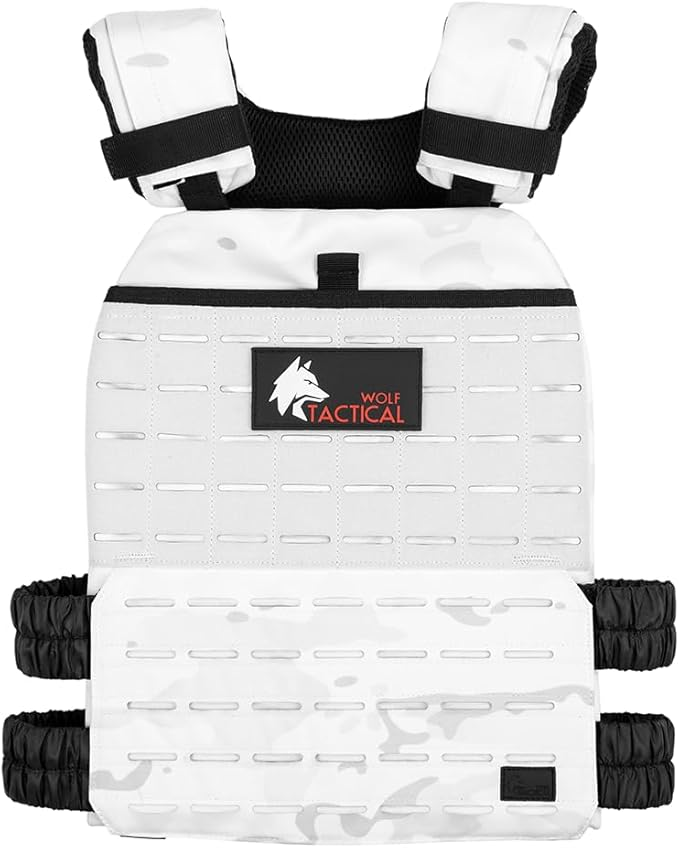
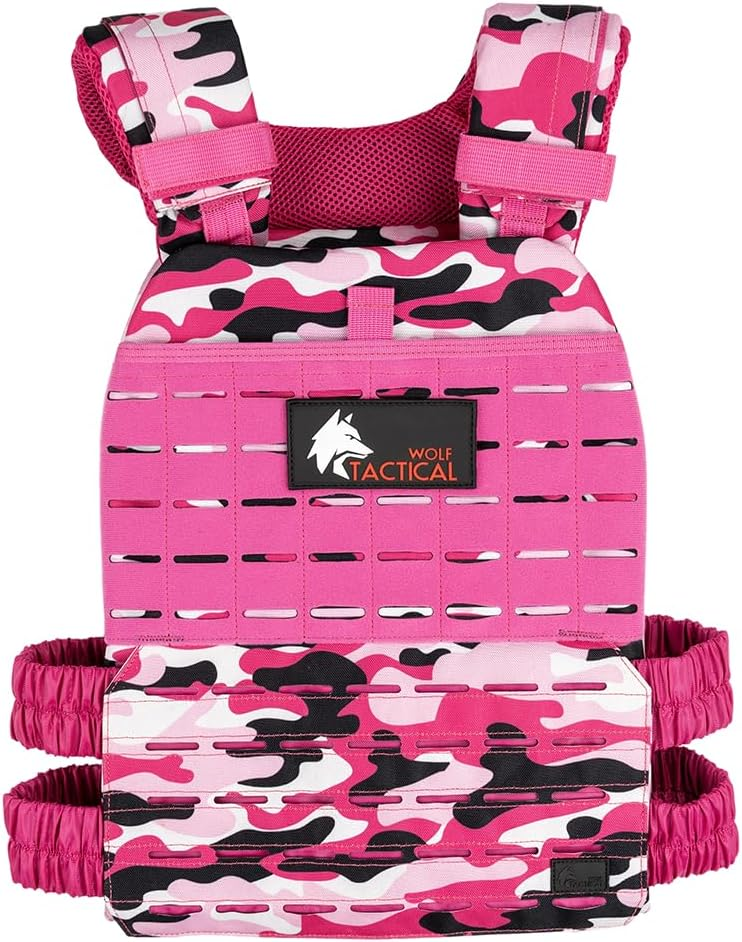
If you want a reliable, beginner-friendly vest that holds up to outdoor wear and rucking, a simple adjustable vest is a good place to start. For many of my clients I recommend options that balance comfort and modular loading. One solid, budget-friendly choice is the Wolf Tactical Simple Weighted Vest, which offers flexible sizing and modest plate capacity for walking and bodyweight training.

Estimate your calorie burn before you go
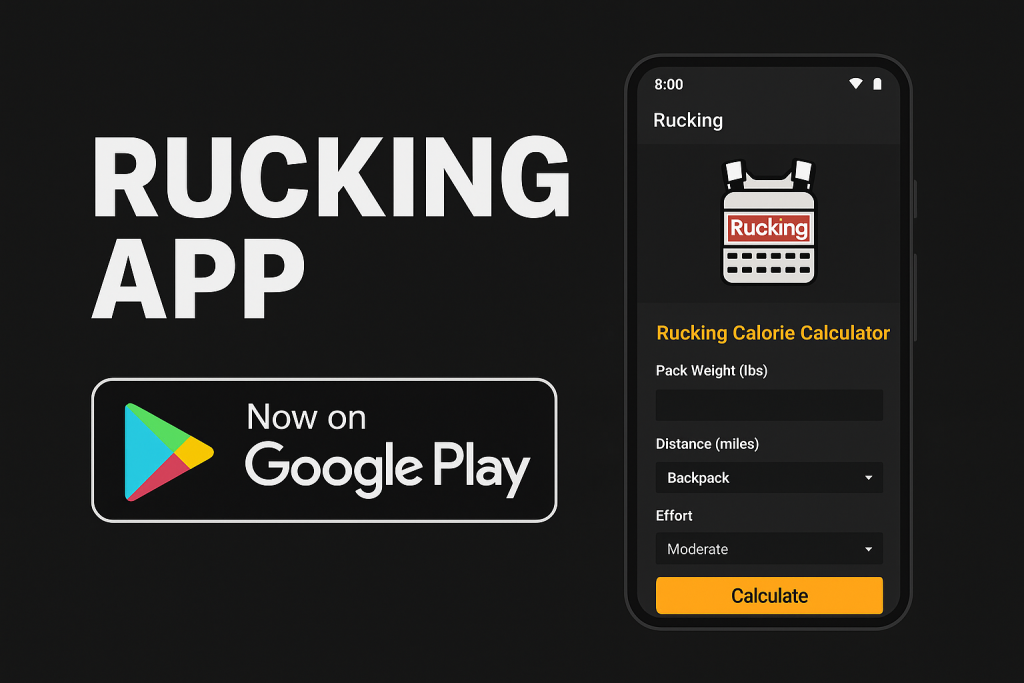
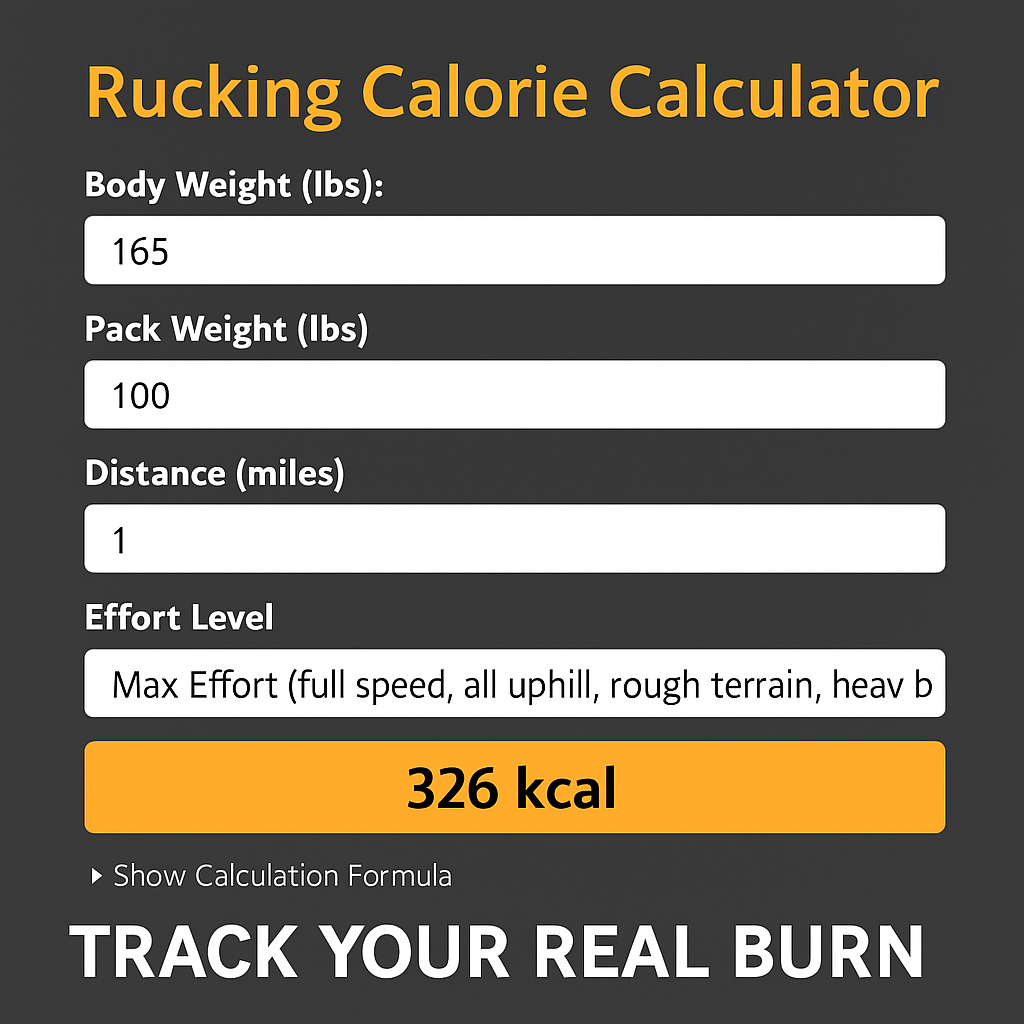
Before you add load and volume, estimate your expected calorie burn to pair training with sensible nutrition. Use the rucking calorie calculator to get a clear estimate based on weight, distance, and carried load.
Use the Rucking Calorie Calculator

Final practical tips
- Focus on small weekly increases in load or time rather than big jumps.
- Keep a training log: distance, load, perceived exertion, and recovery notes.
- Prioritize fit and comfort—vests you won’t wear are wasted money.
Choose a Primal Strength weighted vest-style product that fits your frame, lets you scale weight easily, and won’t limit breathing or shoulder movement. Done right, weighted-vest training is one of the simplest, most transferable ways to add consistent resistance to outdoor fitness.