Why a Rep Fitness weight vest might be worth your time
If you own or are considering a Rep Fitness weight vest, the questions I hear most are about fit, comfort, and how to use the vest without wrecking your posture or knees. I’m writing this from an outdoor-first coaching perspective: weighted vests are simple, reliable tools for steady calorie burn, strength carryover, and conditioning when used correctly.
Fit, load distribution, and what to look for
A vest only works if it sits tight against your torso and keeps weight close to your center of mass. Key fit markers:
- Adjustable straps across chest and shoulders so the vest won’t ride up during running or rucking.
- Even plate or sandbag distribution—avoid single large pockets that shift.
- Low-profile design under layer clothing for long walks or hikes.
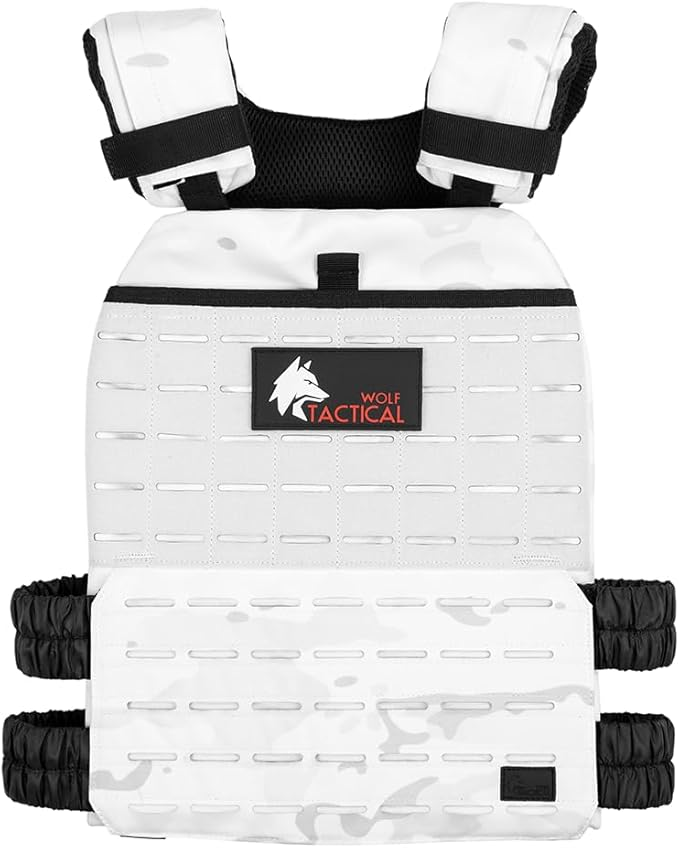
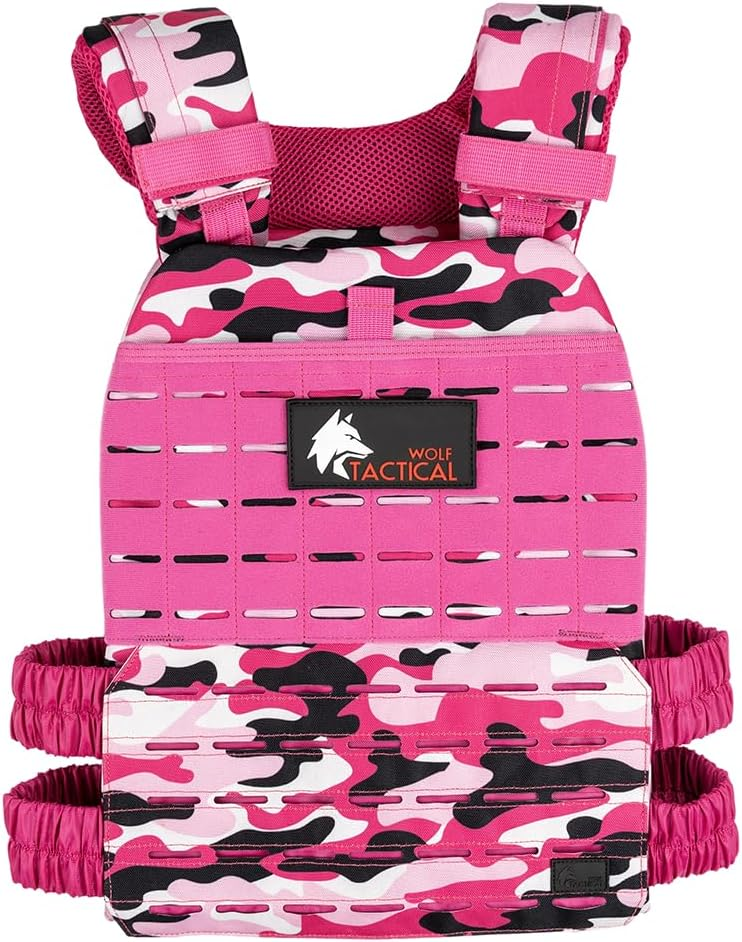
If the Rep Fitness vest you’re evaluating doesn’t meet those basics, consider a more ergonomically tuned option like the Wolf Tactical Simple Weighted Vest for walking and rucking comfort, or the 5.11 TacTec Trainer Weight Vest for gym-driven interval work.


How to program the vest for steady progress
Start light. Your first two weeks should be about movement quality, not loading. Use these sessions to dial in breathing, posture, and cadence:
- Weeks 1–2: 10–20 minutes walking with 5–15% bodyweight in the vest.
- Weeks 3–6: increase duration before adding more weight—aim for 30–60 minute walks.
- After 6 weeks: add structured intervals or hill work, increasing weight in 2–5% bodyweight steps.
Weighted vests change how your body recruits muscles. If you feel low-back strain, reduce weight and reset posture. The goal is sustainable intensity that you can repeat three to five times per week.
Estimate calorie burn and adjust your plan
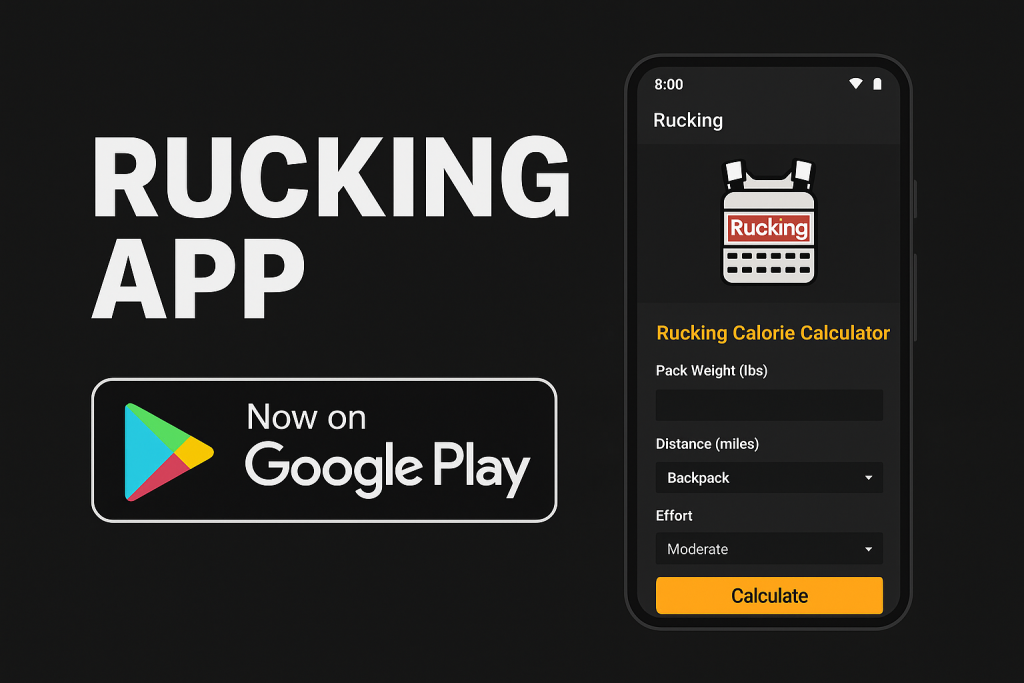
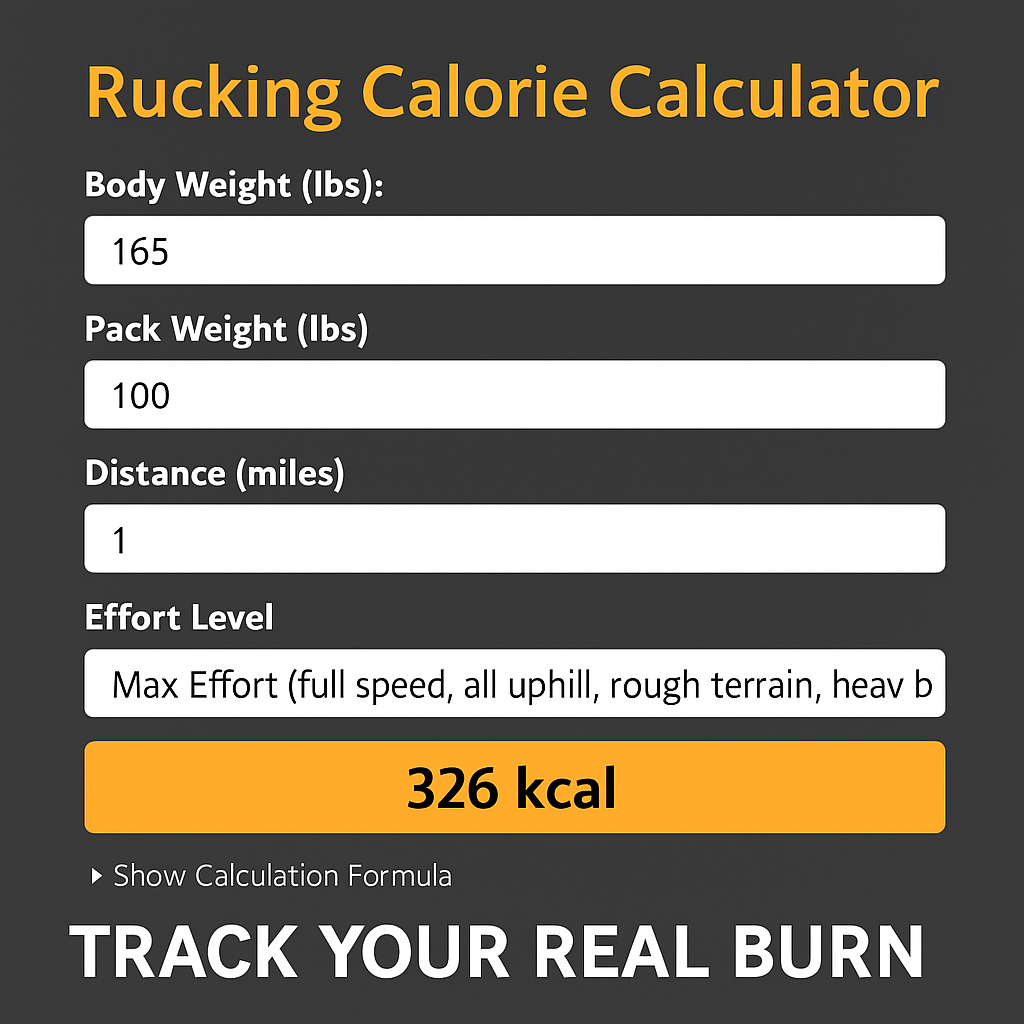
Want a practical estimate of how many calories you burn with a vest during a walk or ruck? Use the rucking calorie calculator below to plug in weight, vest load, pace, and duration. It gives realistic numbers for planning sessions and tracking progress.

Practical tips from the field
- Start sessions with a 5–10 minute dynamic warm-up to protect joints.
- Hydrate before long walks—consider hydration carriers for over 60 minutes.
- Rotate vest and backpack work to avoid overuse; carry a rucksack for longer distance days.
Quick note: I’m Preston Shamblen, ISSA-certified, and I lost 90 lbs through consistent rucking, weighted-vest training, and disciplined nutrition. I still recommend simple weighted vests as one of the most reliable ways to maintain a lower body weight and burn fat consistently when programmed sensibly.
Final checklist before you buy or use your Rep Fitness weight vest
- Can you adjust fit so it won’t move? If not, try a different model.
- Have you tested short walks first to confirm comfort?
- Do you have a plan to progress duration before increasing load?
Used correctly, a Rep Fitness weight vest can be a tough, effective tool. When comfort or distribution becomes a limiter, consider the more specialized options linked above to match your goals—long-distance ruck, high-intensity intervals, or pure strength carry.