Why a plate carrier differs from a weighted vest
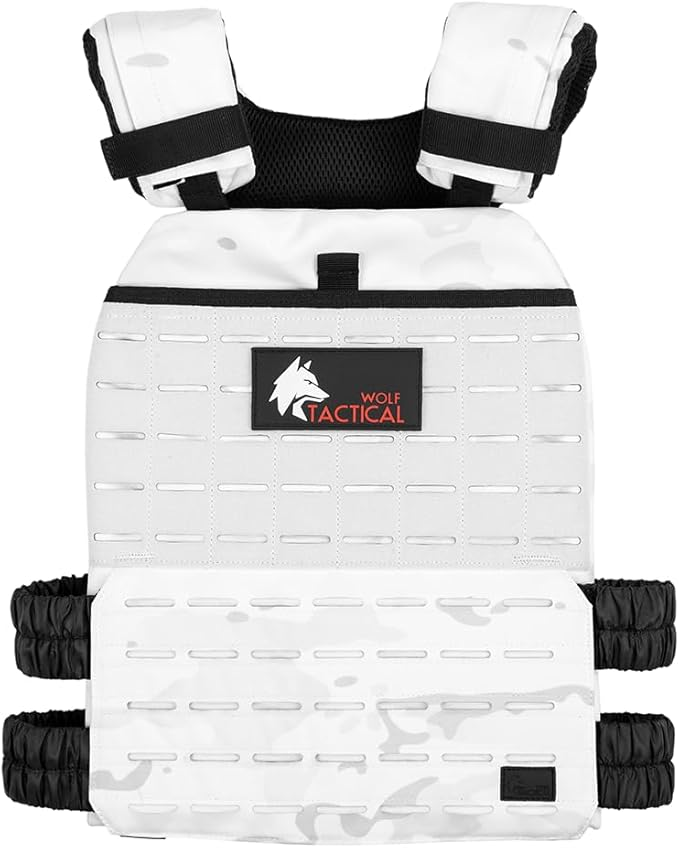
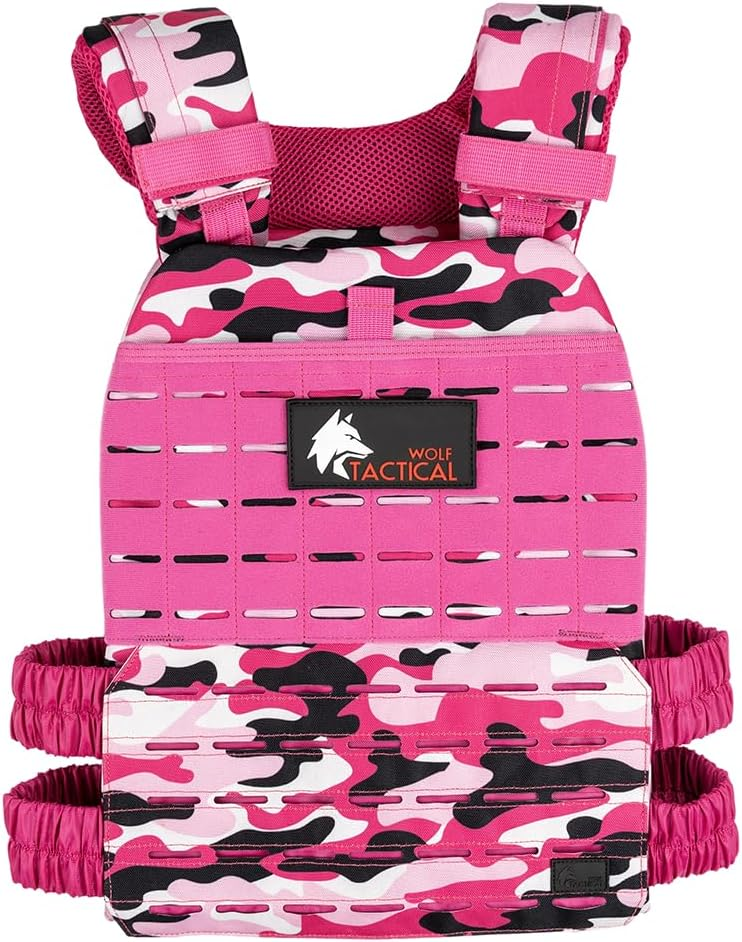
Rogue Fitness plate carriers are designed to accept hard or soft plates and create a secure load close to your torso. That makes them different from soft weighted vests: plate carriers concentrate mass in specific pockets, change center of gravity, and demand attention to fit and mobility. Whether you use a carrier for tactical training, heavy calisthenics, or rucking practice, understanding fit and load distribution matters for comfort and injury prevention.
Key fit and function points
- Center of gravity: Plates placed higher or lower change how your hips and spine react while walking or running.
- Stability: A proper carrier keeps plates from shifting; look for adjustable cummerbunds and secure pockets.
- Mobility: Plate carriers often limit overhead and arm reach—test range of motion before long workouts.
- Ventilation and padding: Hard plates transfer force; choose carriers with breathable padding to reduce hotspotting.
How to use a plate carrier safely in rucking and strength work
Start light and treat the carrier like an advanced training tool. For rucks and loaded walks, neutral spine and controlled cadence beat speed. For strength work—push-ups, pull-ups, or sled drags—ensure the carrier is snug so plates don’t shift during dynamic movement.
Progression and programming
- Week 1–2: Walk 20–40 minutes with minimal plate weight to assess fit and hotspots.
- Week 3–6: Add incremental plate weight (5–10% bodyweight increments) and vary terrain.
- Strength days: Use heavier plates for low-rep push-ups, rows, and loaded carries; prioritize technique.
- Recovery: Pay attention to shoulders and neck; loosen straps between sessions and use padding if needed.
Recommended gear for plate-carrier training
If you want a dedicated plate-carrier setup, one practical option is the
GORUCK Ruck Plate Carrier 3.0 — a rugged carrier designed for long rucks and compatible with a variety of plate sizes. Always check pocket dimensions before buying plates.

For heavy, strength-oriented plate loading where you need broad, even distribution for calisthenics, consider the Kensui EZ-VEST® MAX V2. It’s built to handle very high loads and keeps plates stable during intense lifts or calisthenic progressions.

Estimate calorie burn for plate-carrier rucks
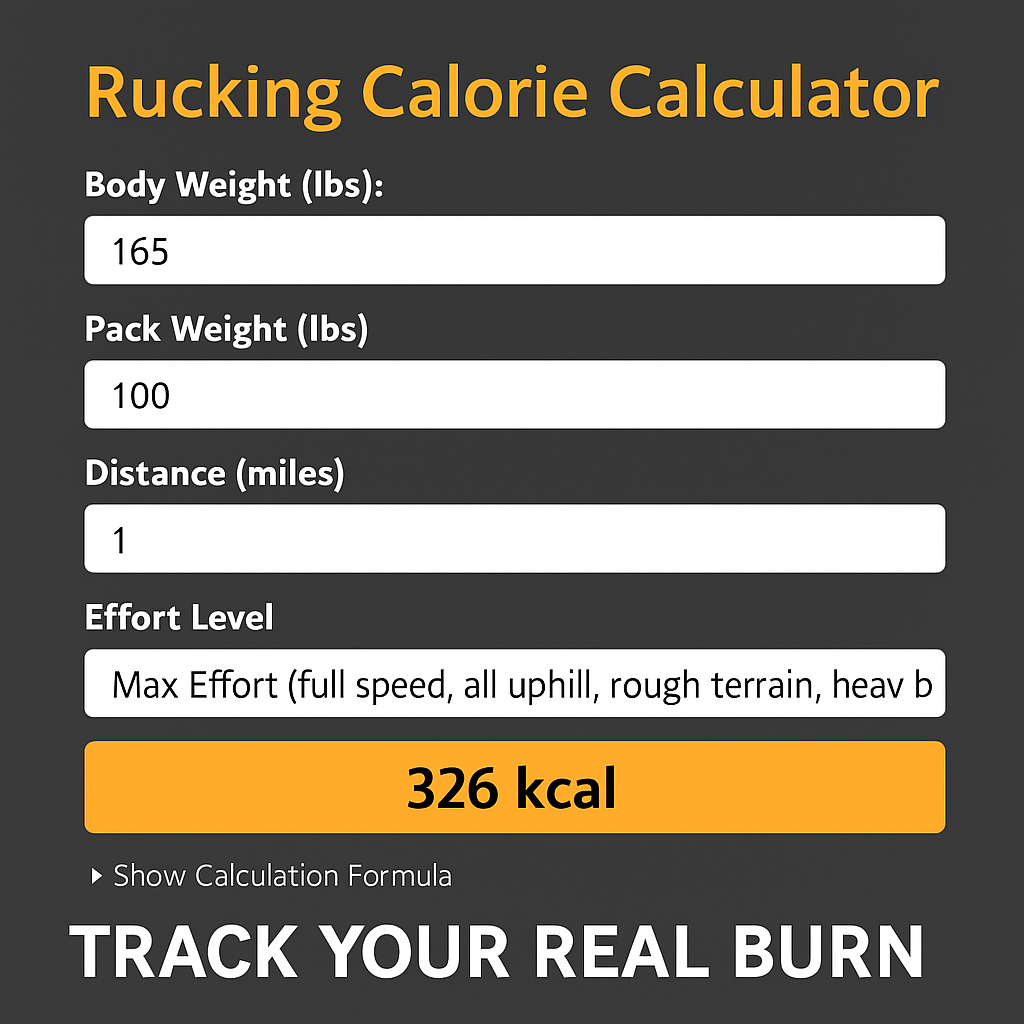
Plate carriers change the energy cost of movement compared to unweighted walks. Use the Rucking Calorie Calculator to estimate how many calories you burn when carrying plates at different weights and paces. Enter your bodyweight, load, and pace to get realistic numbers you can program around.
Use the Rucking Calorie Calculator

Practical final tips
- Test fit with the plates you intend to use—sizes vary across brands.
- Use a mix of plate types (soft vs. hard) if hotspotting is a problem.
- Balance load distribution—uneven front/back loading leads to compensations and fatigue.
- Prioritize posture and breathing when volume increases; a plate carrier changes mechanics more than a soft vest.
In short, a plate carrier is a powerful tool when matched to the right training goals. Treat it like specialized equipment: prioritize fit, progression, and realistic calorie estimates so you can train consistently and safely.