If you’re shopping for a rogue fitness weight vest, focus less on the logo and more on performance details: fit, stability, breathability, and weight range. Whether you’re rucking outdoors, doing CrossFit-style intervals, or adding load to calisthenics, the right vest should hug your torso, move quietly, and let you breathe under effort.
What to look for in a Rogue-style vest
- Fit and adjustability: Wide, secure shoulder straps and side cinches prevent bounce. A vest that rides too low will jab your hips; too high and it creeps into your throat.
- Stability during impact: For runs, burpees, and box step-ups, you want minimal sway. Plate-carrier styles usually win here.
- Breathability: Dense foam traps heat. Look for spacer mesh, perforations, or vented panels if you sweat a lot.
- Weight range and increments: Decide if you want fixed plate steps (e.g., 10–30 lb) or pocket-style vests that let you micro-load for progressive training.
- Shoulder comfort: Wider pads spread pressure and help on longer walks and rucks.
- Durability: Stitching, abrasion points, and Velcro lifespan matter if you train 3–5 days a week.
Comparable choices for different goals
If you like the tight, plate-carrier feel of a rogue fitness weight vest, consider the 5.11 Tactical Unisex TacTec Trainer Weight Vest. It’s a proven, competition-style carrier that balances stability with comfort for metcons, sprints, and push-up/pull-up work.

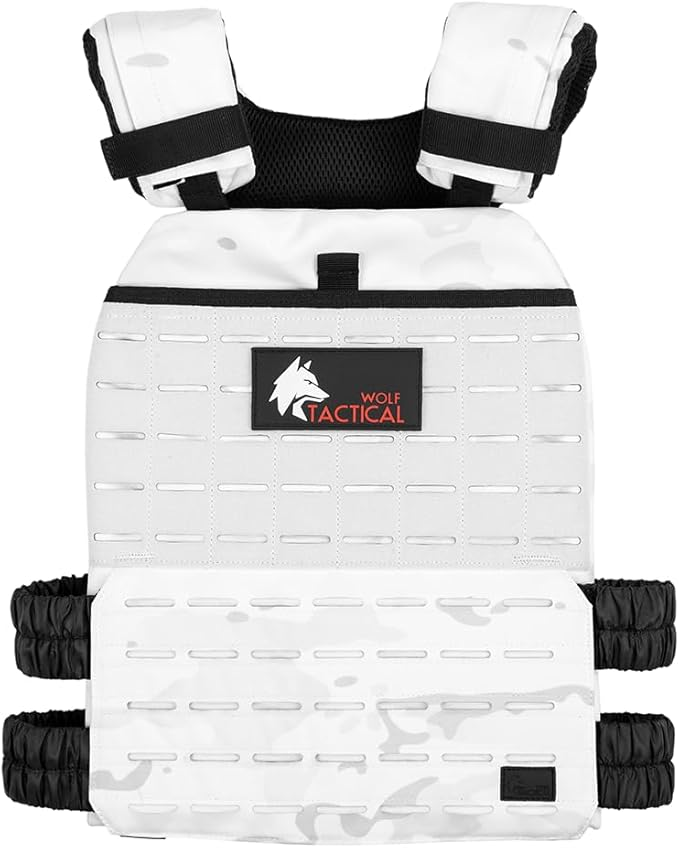
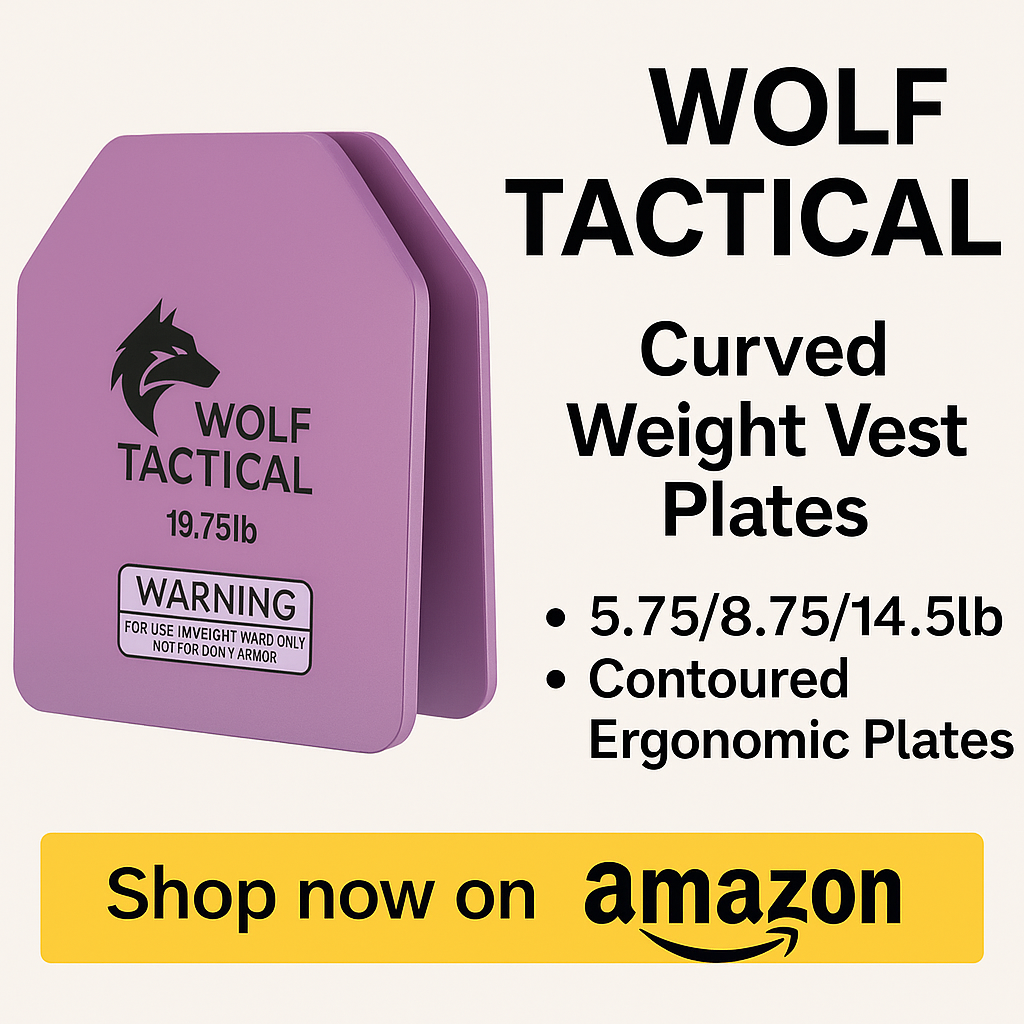
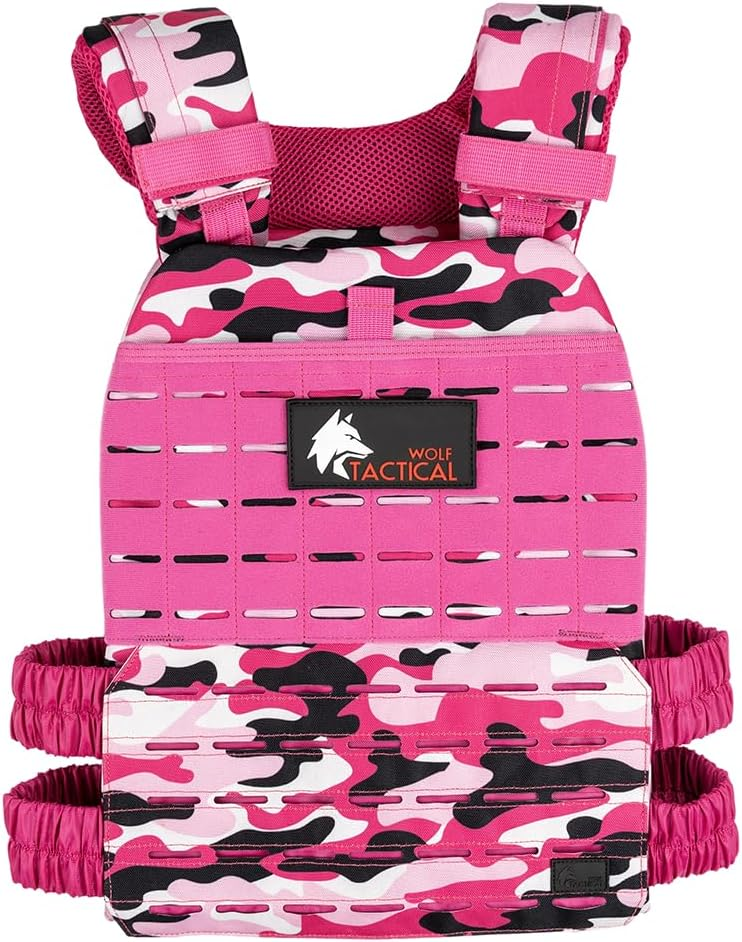
Prefer adjustable load in smaller jumps for walking and general fitness? The Wolf Tactical Adjustable Weighted Vest is a budget-friendly pick that’s comfortable, easy to size, and ideal for progressive overload on hills, stair climbs, or brisk walks.

How heavy should you go?
- New to loaded training: Start with 5–10% of bodyweight for walks and circuits. Master posture and breathing first.
- Intermediate: 10–15% of bodyweight for 20–40 minutes, 2–3 sessions per week. Keep good form under fatigue.
- Advanced or short, intense efforts: 20 lb is a common benchmark for calisthenics and metcons; add only if you maintain clean reps and stable landings.
Progress in small steps. Add time or distance before adding weight, especially if you’re running or doing plyometrics.
Estimate your calorie burn
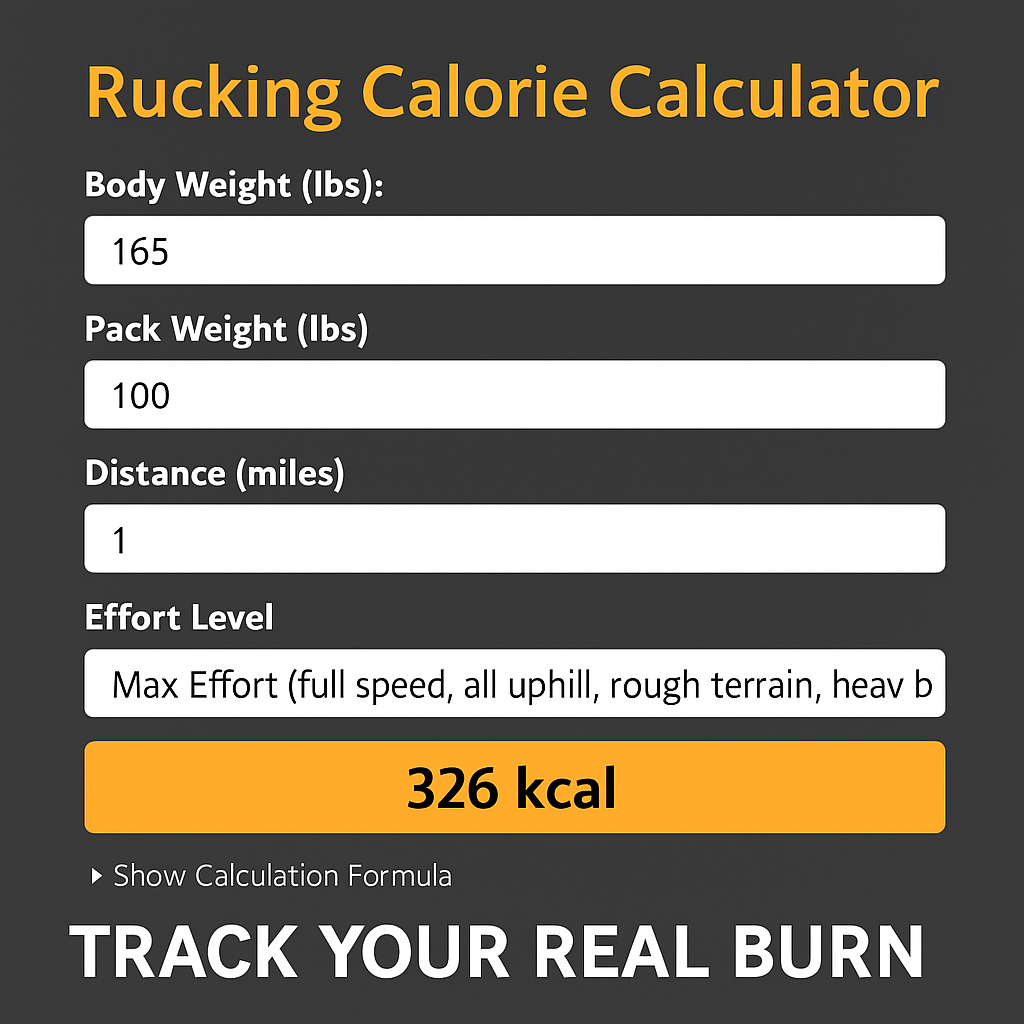
Want a quick snapshot of how many calories you’re burning with weighted-vest walks or rucks? Use this calculator to gauge effort and plan nutrition.

Setup and training tips
- Lock the fit first: Tighten shoulder straps to keep the top plate at mid-chest, then snug side straps to remove bounce without restricting breath.
- Warm up your upper back: Scapular pulls, band pull-aparts, and thoracic rotations reduce neck/shoulder strain under load.
- Quiet test: Do 10 jump squats and 10 burpees. Minimal slosh means your vest is ready for real work.
- Protect your skin: Use a breathable base layer; add body glide to collarbones and underarms on hot days.
- Recover like you train: Walk easy the day after hard sessions, hydrate, and keep protein high to support adaptation.
Bottom line: a rogue fitness weight vest can be an excellent tool, but the best vest is the one that fits your body, stays quiet under impact, and supports progressive loading. Choose the construction that matches your training—plate-carrier stability for fast, dynamic work or adjustable pockets for steady conditioning and long walks—and build from there.