Why rogue plate carrier sizing matters
Getting the fit right on a plate carrier is more than comfort — it changes how you move, how long you can train, and where the load sits relative to your center of mass. Proper sizing reduces chafing and shoulder strain, preserves breathing mechanics, and helps maintain posture under load. This guide walks through plate dimensions, carrier fit, and simple checks you can do before you buy or cut any straps.
Key measurements and what they mean
There are three measurements that determine if a plate carrier fits your body and plates:
- Plate height — how tall the armor sits on your torso. Too high and it impedes shoulder mobility; too low and it presses on hips when bending.
- Plate width — how far the plate wraps across your chest. Oversized plates can restrict arm swing or rub the armpit.
- Torso length — your carrier’s rise from the collarbone to the top of your hip. Adjustable carriers let you dial this in.
Quick fit checklist
- With the carrier on and plates installed, the top of the front plate should sit at the clavicle level but not press the neck.
- Side cut should allow a natural arm swing; verify by walking, simulating a democrat, and bending.
- Shoulder straps should spread the load across the traps without riding into the neck. Use cummerbund adjustments before shortening straps.
- When you inhale fully, the front plate should not block full diaphragmatic breathing.
Choosing plate size and material
Common plate shapes are SAPI/ESAPI cut (curved for torso) and rectangular cuts. For ruck-style load carriage where you plan to add weight plates, match the carrier to the plate dimensions you expect to carry. If you’ll use metal or ceramic plates for training, confirm the carrier’s pocket depth and orientation.
Practical tips
- If you’re buying a plate carrier for fitness, opt for adjustable shoulder and cummerbund settings — they increase usable range across clothes and seasons.
- For heavy weighted sessions prefer a plate carrier with reinforced seams and a wider shoulder pad to reduce dig-in.
- Consider removable shoulder pads and a quick-release for safety during emergency situations or very dynamic work.
Product options and real-world picks
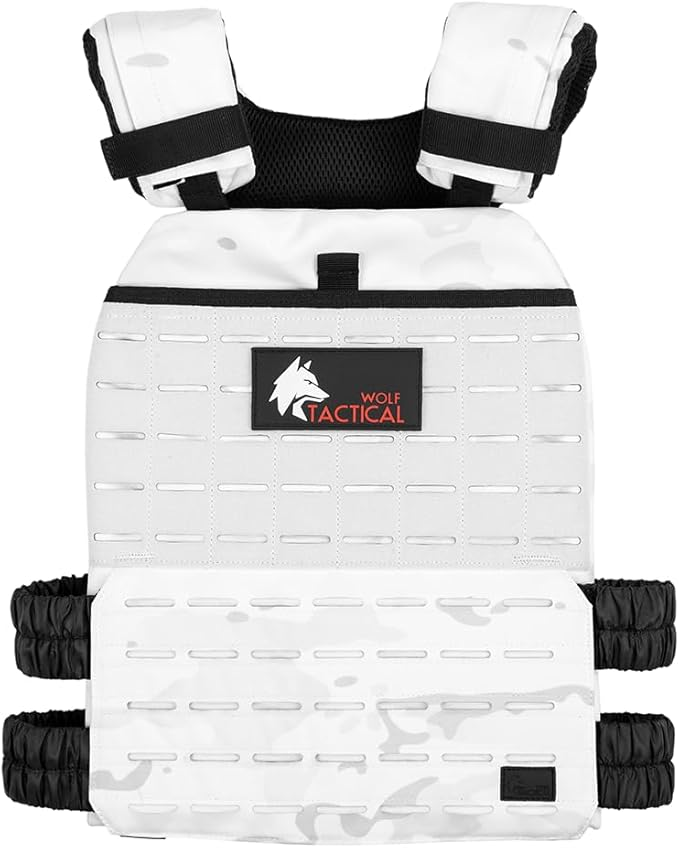
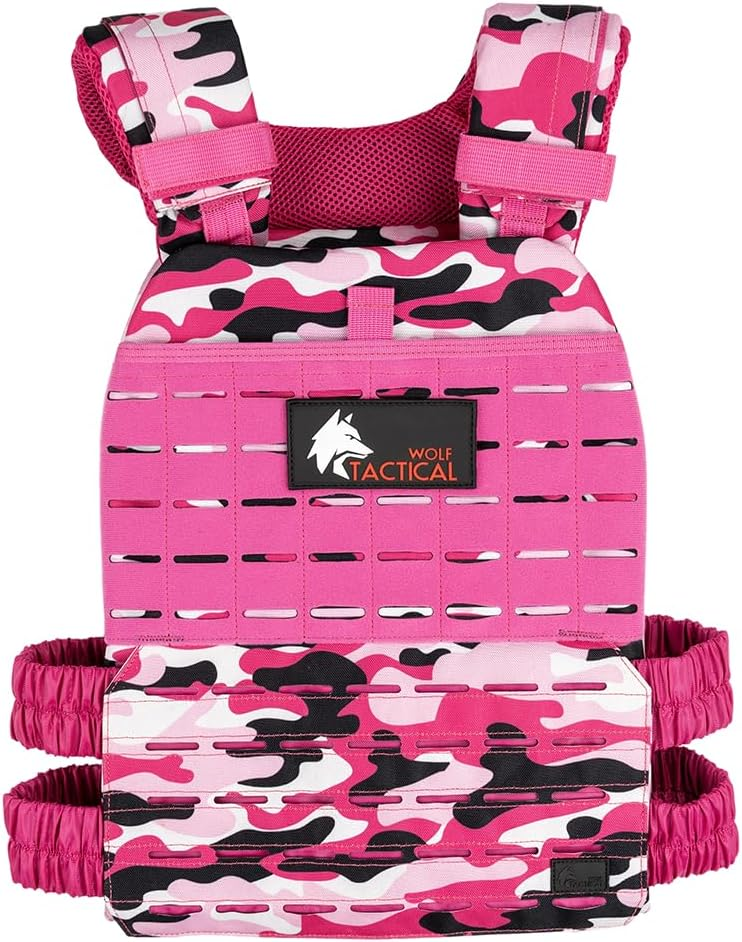
For a dedicated plate carrier built for both training and field use, the GORUCK Ruck Plate Carrier 3.0 is a solid starting point because it balances low-profile design with reinforced construction. If you plan to add ruck plates for progressive load, pair the carrier with purpose-designed weight plates.


Estimate the training stress
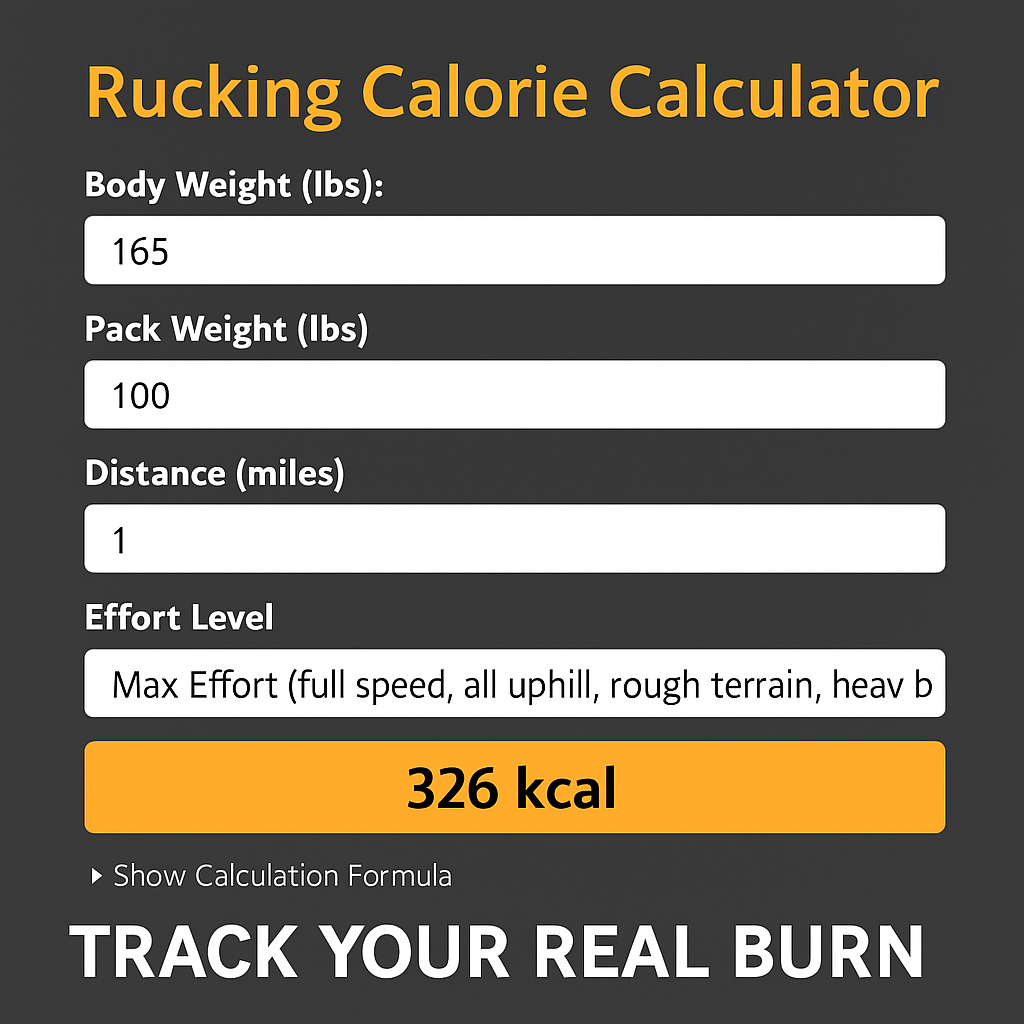
If you want to estimate calorie burn or relative training stress when you add plates and start rucking, use the rucking calorie calculator. It helps you understand how adding load changes your session intensity and recovery needs.

Final checks before fielding a carrier
- Run a few minutes of movement drills with plates installed — walking, squats, and overhead reach to confirm mobility.
- Test layered clothing to confirm straps and cummerbund adjustments work with different thicknesses.
- If something pinches or rides up, re-evaluate plate size before modifying the carrier permanently.
Sizing a plate carrier is simple when you break it into plate dimensions, torso fit, and movement testing. Prioritize adjustability and test in motion — that’s the reliable way to know your carrier is fit for training and long rucks.