How to think about Rogue plate carrier weights
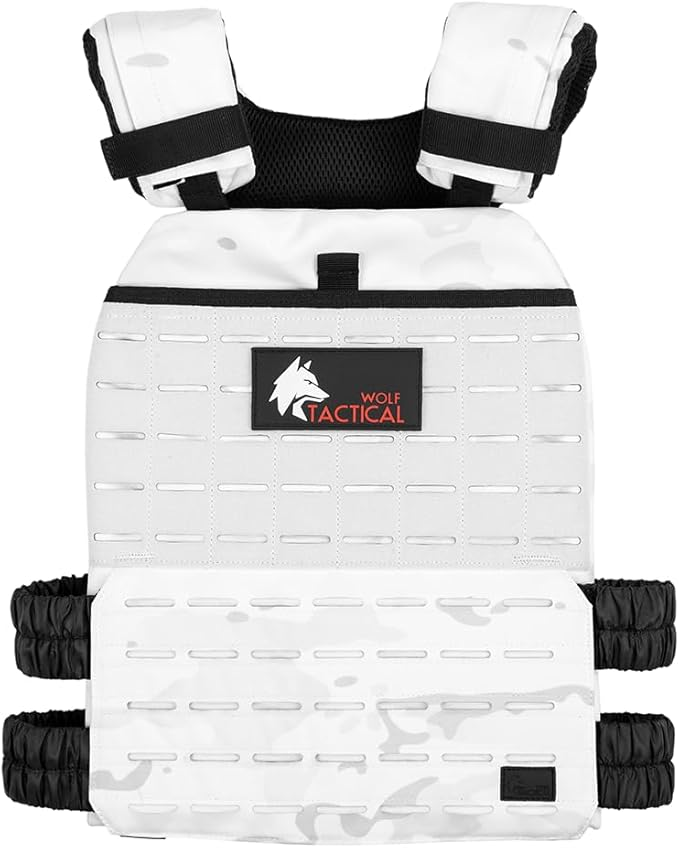
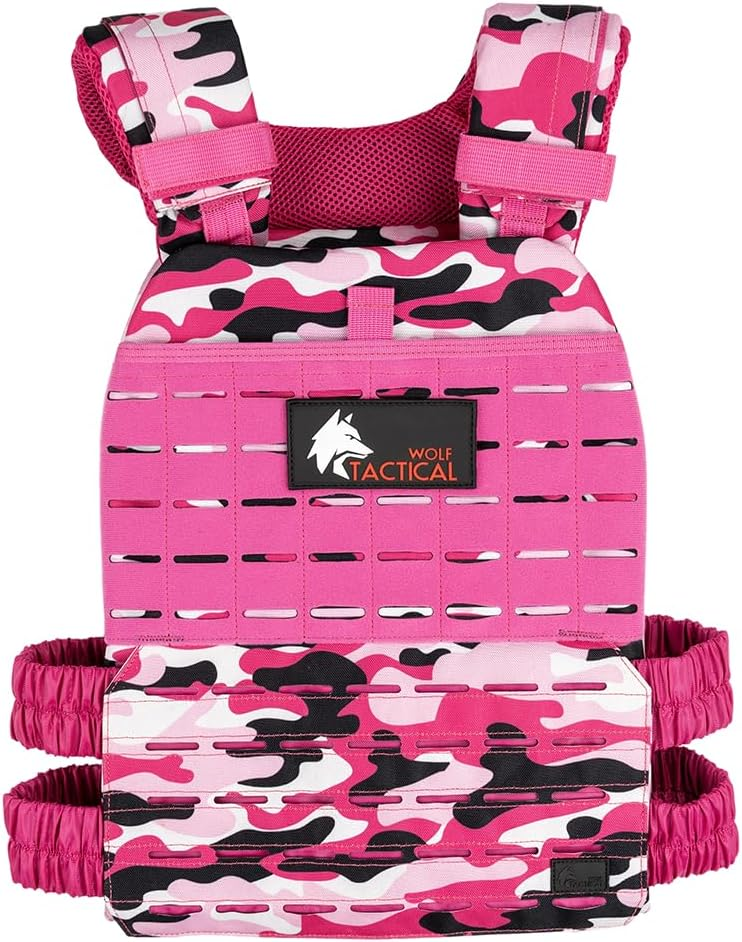
Rogue-style plate carriers are a useful way to add concentrated load for calisthenics, tactical training, and rucking-style walks. The key with plate carrier weights is not simply how much you can fit, but how you distribute the weight, progress it over time, and protect your spine and joints.
Start with these principles
- Prioritize even front/back balance: a plate only in front throws posture and increases lumbar strain.
- Progress in small increments: add 5–10% bodyweight in small steps, especially for heavier carriers.
- Control the load during dynamic movements: plates shift less when the carrier fits snugly.
- Listen to pain signals: shoulder, neck, or lower-back pain means reduce weight, fix fit, or change training.
Choosing plates for a plate carrier
Not all plates are created equal for a plate carrier. Thin steel or polycarbonate plates allow more loading in a tight carrier, while thicker Olympic plates are often impractical. For a balanced approach, consider pairs of smaller plates that can be split between front and back, or thin plates designed for carriers.
Recommended products for different goals
If you want a dedicated plate-carrier solution for heavier, stronger loading, look for gear that fits your torso and secures plates close. For longer rucks with a plate carrier-style setup or if you want durability, a rigid plate carrier is preferable.

For strength-first athletes who plan very heavy loading or high-volume calisthenics with plates, a heavy-capacity vest such as the Kensui EZ-VEST® MAX V2 lets you stack weight safely while maintaining range of motion.

Programming and safety
Use the plate carrier for targeted sessions: short ruck-style walks, loaded carries, or weighted calisthenics. Don’t treat a plate carrier like a long-distance pack unless the fit is perfect. For programming:
- Begin with 10–20 minute unloaded practice walks, gradually adding 5–10 minutes as you adapt.
- For strength sessions, use 3–6 sets of 6–12 reps for squats, lunges, and push variations while loaded.
- Include mobility and posterior-chain work to offset flexion bias from front-loaded carriers.
Estimate calorie cost and energy needs
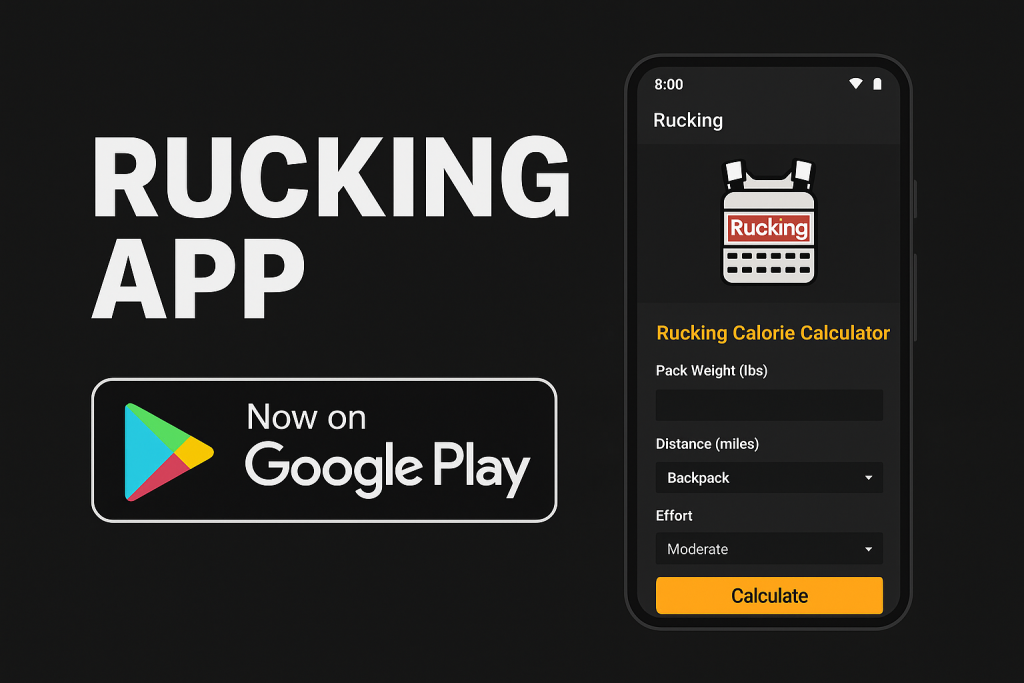
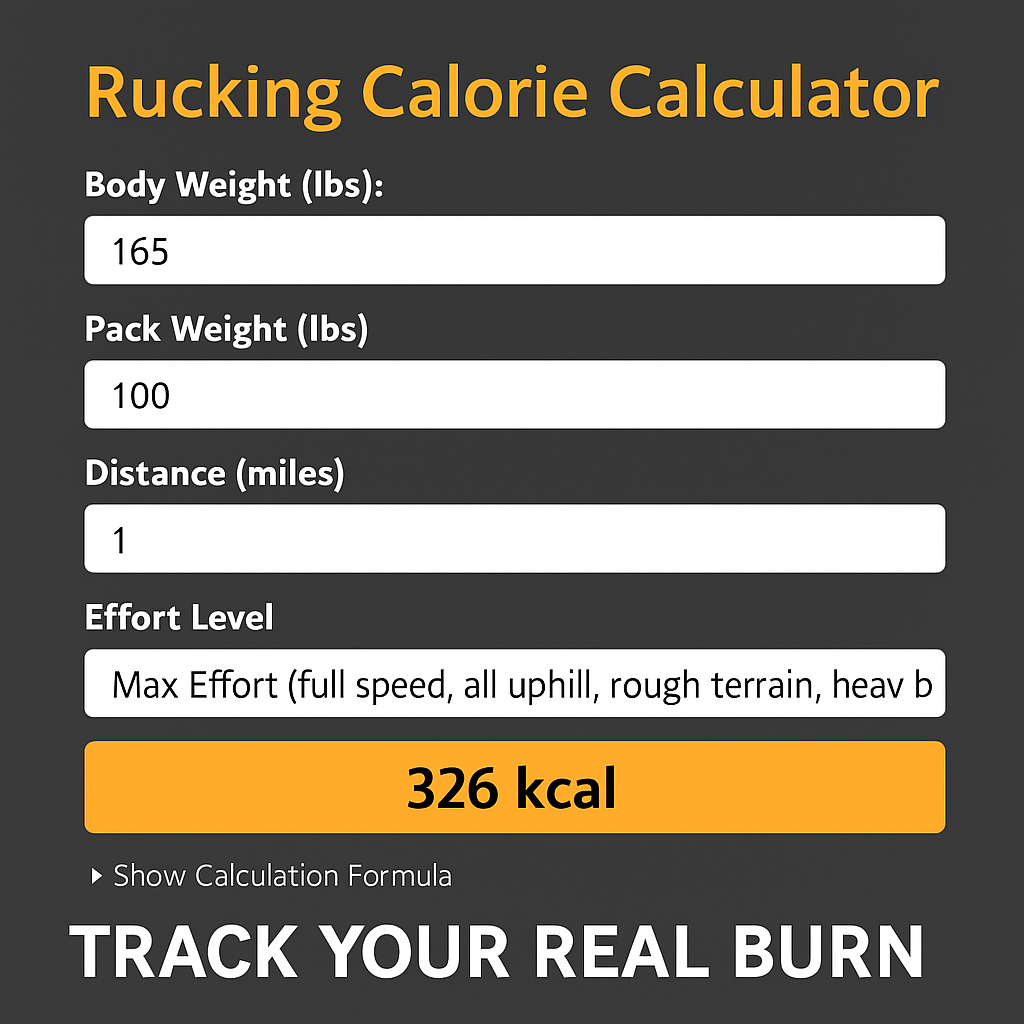
Rucking or walking with plates increases calorie burn. Use the rucking calorie calculator to estimate how many calories a loaded session costs and plan nutrition around recovery:
Use the Rucking Calorie Calculator

Final tips
Always prioritize fit and retention over simply loading the most weight. If plates shift, the effective demand on stabilizers and the risk of injury both rise. For mixed long-distance and tactical-style work, pair a plate carrier with a proper hydration and gear solution when needed. Practice progressive overload, track your sessions, and adjust based on how your body responds.
When in doubt, start lighter, refine the fit, and build strength around the load rather than relying on brute weight increases.