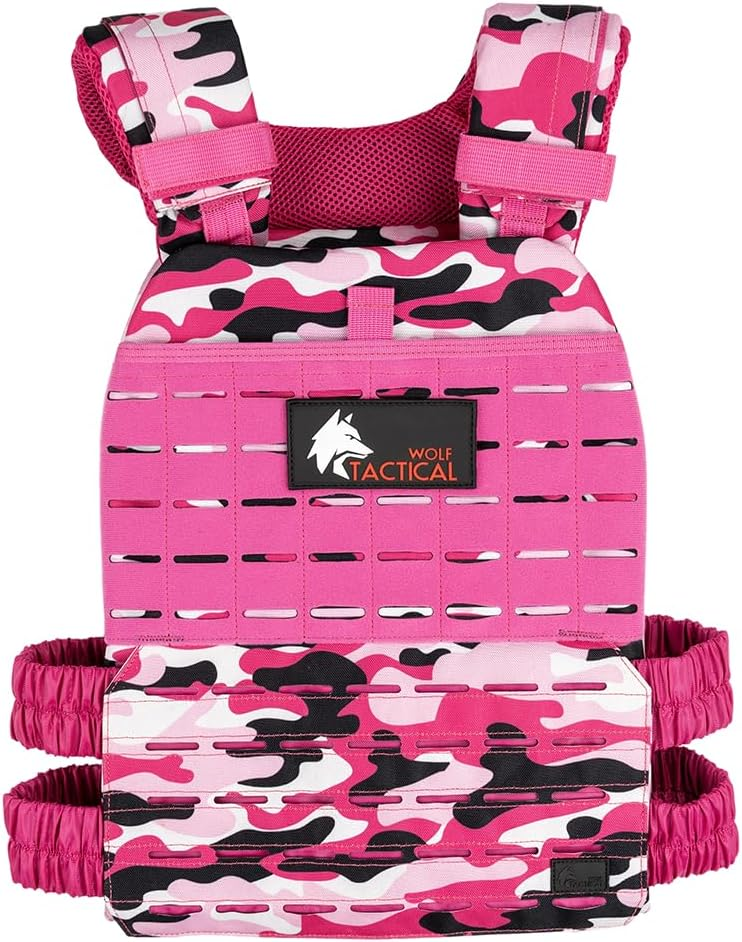
What a Rogue plate vest is and when to use one
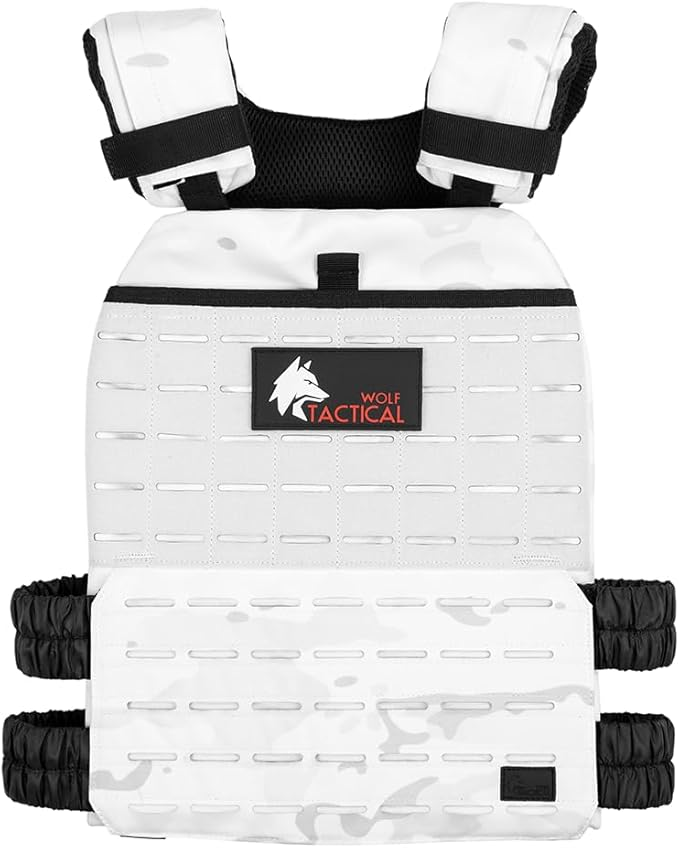
A Rogue plate vest generally refers to a plate-carrying vest or carrier designed to accept hard plates for tactical training, strongman-style work, or added load during runs and rucks. In practice it behaves differently than a soft, fillable weighted vest. Plates change load distribution, impact mobility, and change how your hips and shoulders react under stress.
Key differences: plates vs soft weights
- Load distribution: Plates sit higher and more rigidly; soft vests conform to the torso.
- Impact on movement: Plate vests can restrict torso flexion but provide stable, centered load for power movements.
- Durability: Plate carriers tolerate hard impacts and repeated contact better than soft sandbag vests.
When a plate vest is the right tool
Use a plate vest if you want to train for tactical scenarios, build raw strength on bodyweight moves (pull-ups, dips, pistols), or carry heavier loads without the balling or shifting you get from fillable vests. For outdoor rucking, a plate carrier can work, but you’ll trade some comfort and shock absorption for better stabilization under heavy loads.
Practical pros and cons
- Pros: stable load for heavy calisthenics, durable construction, easier to add/remove plates.
- Cons: can be uncomfortable for long rucks, may need a padded carrier or additional cushioning, plates can feel jarring on long marches.
How to use a Rogue plate vest safely in outdoor training
Start light and focus on posture. Plates change your center of mass — brief walks and technical movements first, then longer rucks. I recommend programming short, high-quality sessions (20–40 minutes) of loaded calisthenics or hill rucks rather than long, heavy marches on day one. Pay attention to skin hotspots, breathing mechanics, and ankle/hip loading as you increase weight.
Programming tips
- Gradual progression: add 5–10% of bodyweight every 1–2 weeks depending on recovery.
- Mix modalities: alternate plate-loaded strength days with softer vest or backpack rucks to reduce joint stress.
- Recovery: prioritize sleep, mobility, and hydration after heavy plate sessions.
Recommended gear for plate work
For heavy calisthenics and strength-focused training, a heavy-capacity vest like the Kensui EZ-VEST® MAX V2 is designed for big loads and secure plate placement:

If you’re comparing a Rogue plate vest to a plate carrier designed for rucking-style use, consider the GORUCK Ruck Plate Carrier 3.0 for a balance of comfort and plate compatibility:

Estimate calories and plan your progress
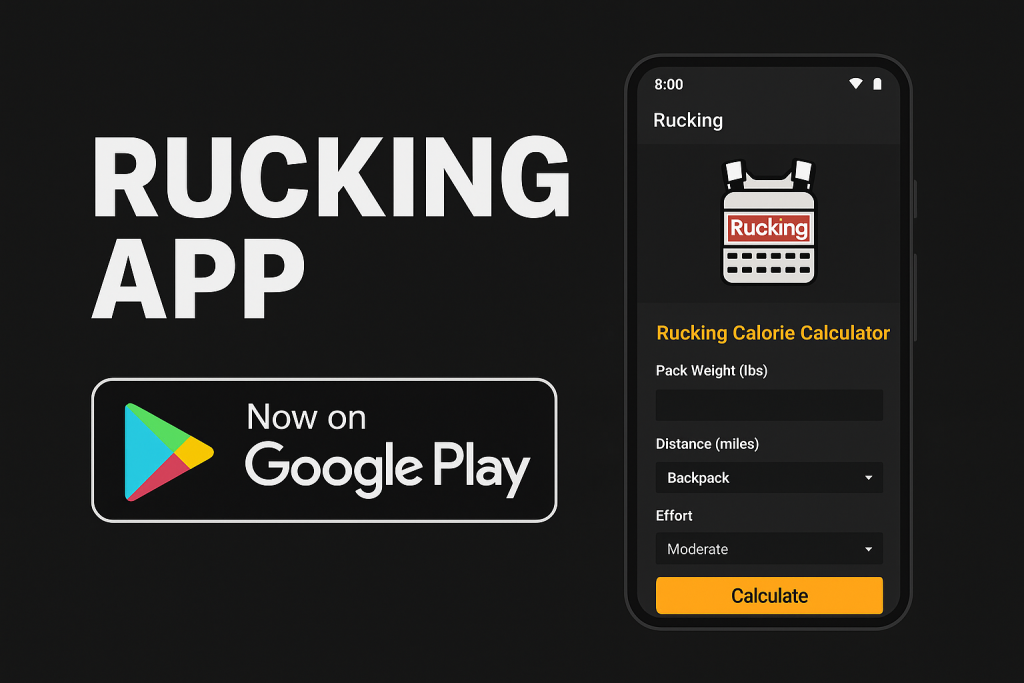
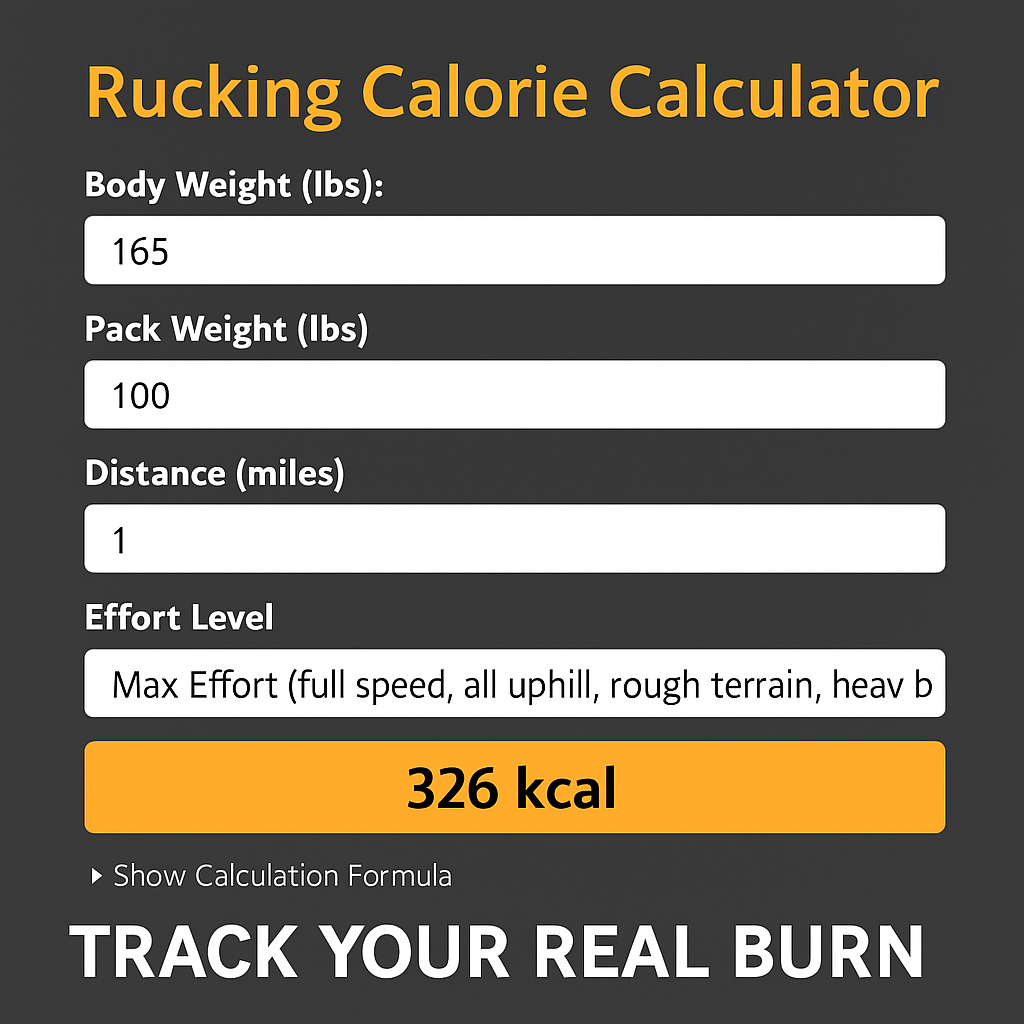
When you add plates or switch to a rigid carrier, your calorie burn and perceived effort change. Use the rucking calorie calculator to estimate effort and adjust your nutrition and recovery accordingly.

Final take
A Rogue plate vest or any plate carrier is a powerful tool when your goal is heavier, more stable loading for strength and tactical fitness. Match the carrier to the session: use plate carriers for short, heavy technical work and consider softer vests or rucksacks for long-distance conditioning. Build slowly, protect your shoulders and hips, and use reliable gear that fits your programming.