Why the Rogue TacTec plate carrier matters for rucking
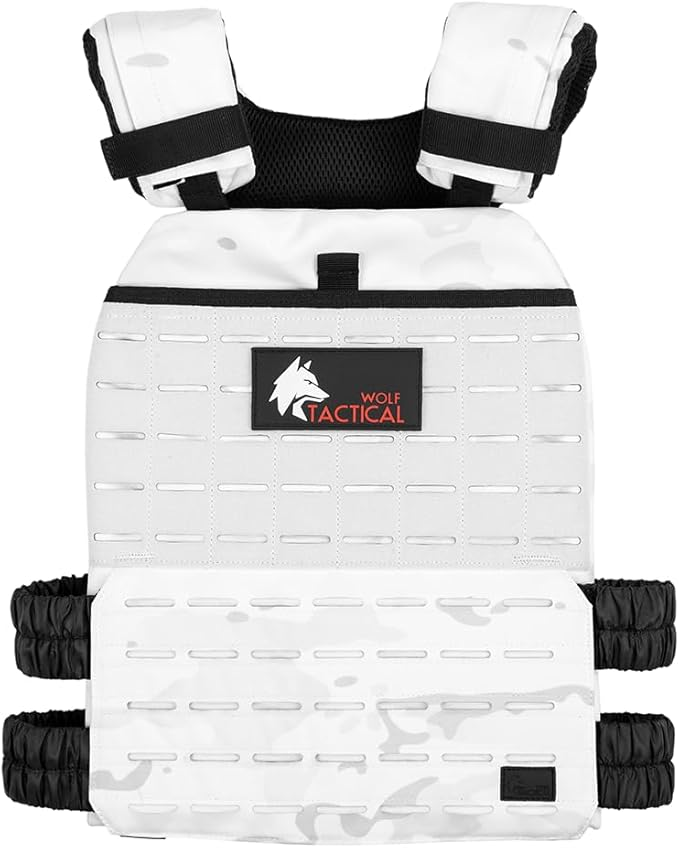
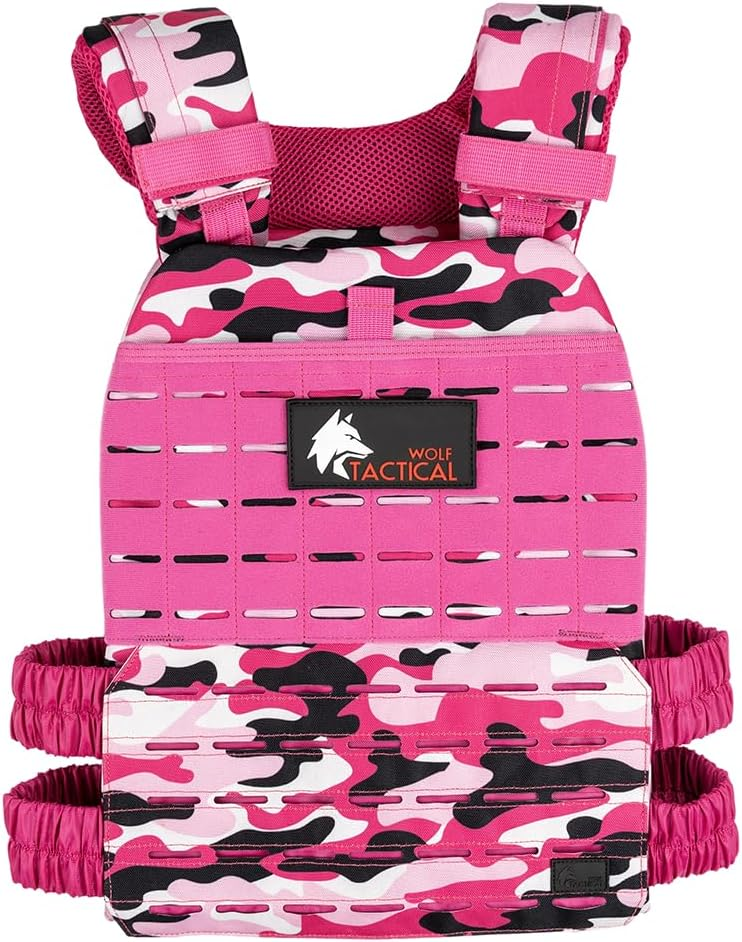
The Rogue TacTec plate carrier sits at the intersection of tactical durability and civilian rucking needs. If you plan to use a plate carrier for weighted walks or military-style rucks, fit, plate compatibility, and load distribution are the three non-negotiables. This guide covers practical adjustments, plate choices, and how to prepare a TacTec carrier for long miles without the shoulder chafe or failure points that kill a training week.
Fit, sizing, and basic setup
Start by confirming the carrier accepts standard SAPI or shooter-cut plates. The shell should allow the plate to sit low enough on your sternum to avoid neck strain but high enough to avoid lumbar drift during long marches. Key adjustments:
- Set the cummerbund tight enough to prevent lateral plate rotation but loose enough for breathing expansion.
- Adjust shoulder straps so the top of the plate sits roughly at the level of your clavicles—too high causes neck load, too low torques your lower back.
- Add a foam or neoprene spacer behind the plates if the carrier feels too rigid; small profile padding cuts hot spots without shifting plates.
Choosing plates for rucking
Steel plates are compact and economical but can rattle and fatigue joints without the right fit. Polyethylene or ceramic-core plates are lighter per protection level and often more comfortable for long-distance weighted walking. Aim for an even front/back split—if you carry 40 lbs total, 20/20 is a simple rule that preserves posture and reduces rotational torque.
Preparing a TacTec carrier for miles
Rucking is a very specific stress: repeated impact plus sustained compression. Treat the carrier like a running shoe—evaluate it over multiple short sessions before committing to a long route.
- Tape or sew a thin anti-chafe lining at the top of the shoulder straps.
- Use soft loop velcro or a low-profile plate sleeve to keep plates from shifting and making noise.
- Test different plate weights in 5–10 mile increments to find your sustainable pace and breathing pattern.
Rucksack compatibility and hydration
If you plan to mix a plate carrier with a rucksack, ensure the pack doesn’t press the carrier into an uncomfortable position. For longer rucks or mixed load days, a harnessed pack like a tactical hydration pack works well to redistribute smaller loads and fluids.

For a comparable civilian-first option, consider the GORUCK Ruck Plate Carrier 3.0—built with ruck-compatible geometry and reinforced seams for repeated loading cycles.

If you mention adding a rucksack or load-carrying gear with a plate carrier, the CamelBak Motherlode 100oz Mil Spec Crux Hydration Backpack is a dependable option for hydration and extra storage on long route days.
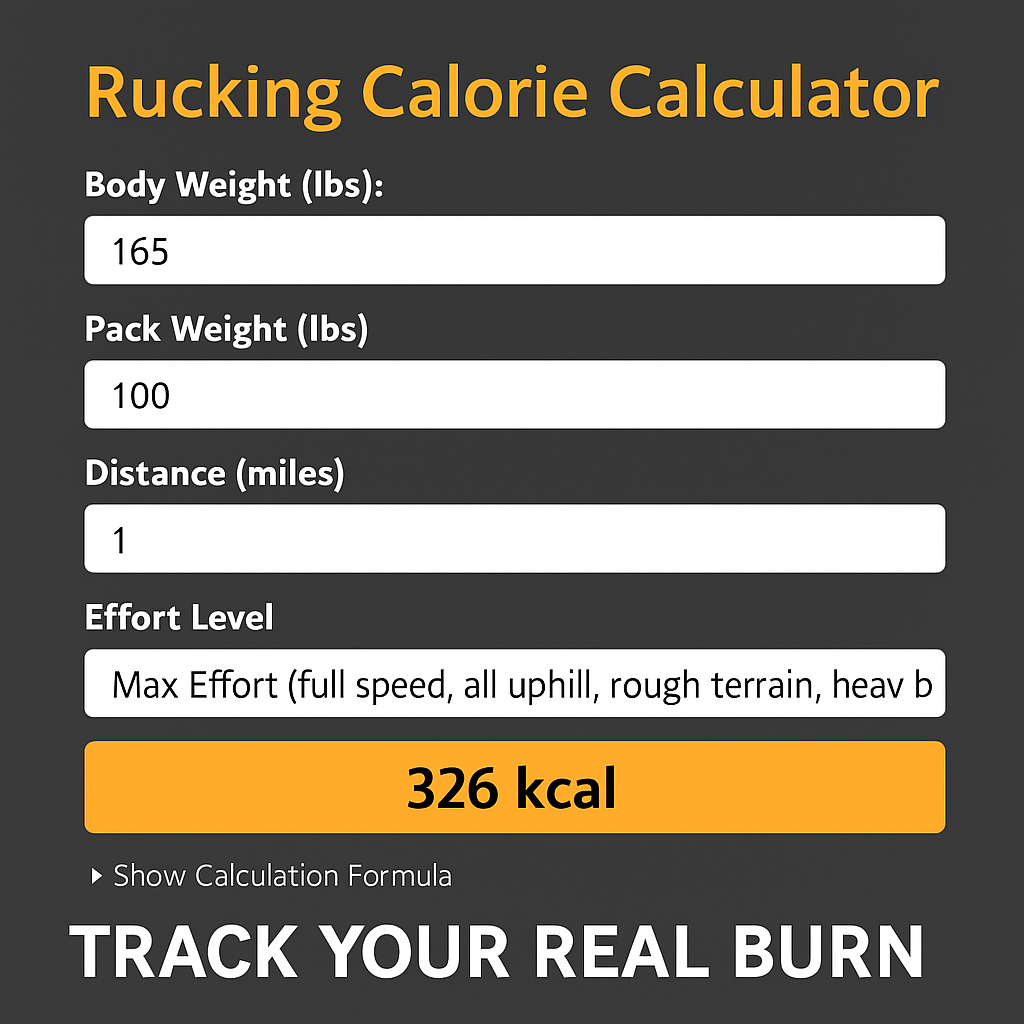
Measure effort with a rucking calculator
Before you increase load, measure caloric cost and plan recovery. Use the rucking calorie calculator to estimate burn and set realistic progression for weight or distance:

That calculator helps you match caloric targets to training load so you don’t ramp weight faster than your connective tissues can adapt.
Final practical checklist
- Confirm plate cut and size before purchase.
- Run short, frequent test rucks when changing gear or plate weights.
- Add soft padding to shoulders and edges to prevent hot spots.
- Balance front/back plates and log perceived exertion and pace.
Plate carriers like the TacTec can be excellent ruck platforms when set up deliberately. Focus on fit, plate selection, and progressive loading—those three steps protect joints and let you build consistent mileage.