What a rogue training vest is — and what it isn’t
A Rogue training vest commonly refers to heavy-duty weight vests built for strength and conditioning, but the name is also used generically for any rugged weighted-vest used in functional training and rucking. If you already own—or plan to buy—a tactical-style vest, you need to think about fit, load distribution, and how you’ll use it outdoors.
Key questions before you buy
- Will you use the vest for short, heavy sets (calisthenics, prowler-style work) or long rucks and walks?
- How adjustable is the load and how secure are the plates or sandbags?
- Does the vest sit on your torso or ride up and cause shoulder/neck strain?
Fit and comfort: what matters most
Fit beats flashy materials. A proper vest is stable, doesn’t swing, and keeps weight centered near your spine. For most people who plan to mix walking and training, a vest with adjustable torso straps and internal pockets for plates is ideal. If you care about fit and daily comfort, consider models built for rucking or long walks rather than pure gym-style rigs.
Practical fit checklist
- Snug, not constricting: chest and shoulder straps should prevent bounce without blocking breathing.
- Low profile plates: avoid plates that shift or create pressure points on ribs.
- Easy adjustments: being able to fine-tune fit between sessions reduces chafing.
Load progression and training plan
Start light. Add 5–10% of body weight initially and prioritize consistent walking and basic strength work. Progress by either increasing weight in small increments or by adding time/distance to your rucks. If you want a structured starting point, track perceived exertion, distance, and total time rather than chasing an arbitrary plate weight.
Simple 8-week ramp
- Weeks 1–2: 10–20 minutes of weighted walking, light core work.
- Weeks 3–5: Increase to 30–45 minutes, add one hill session per week.
- Weeks 6–8: Add 5–10 lb and include short calisthenic sets between walking intervals.
Rucking and calories: the single calculator you should use
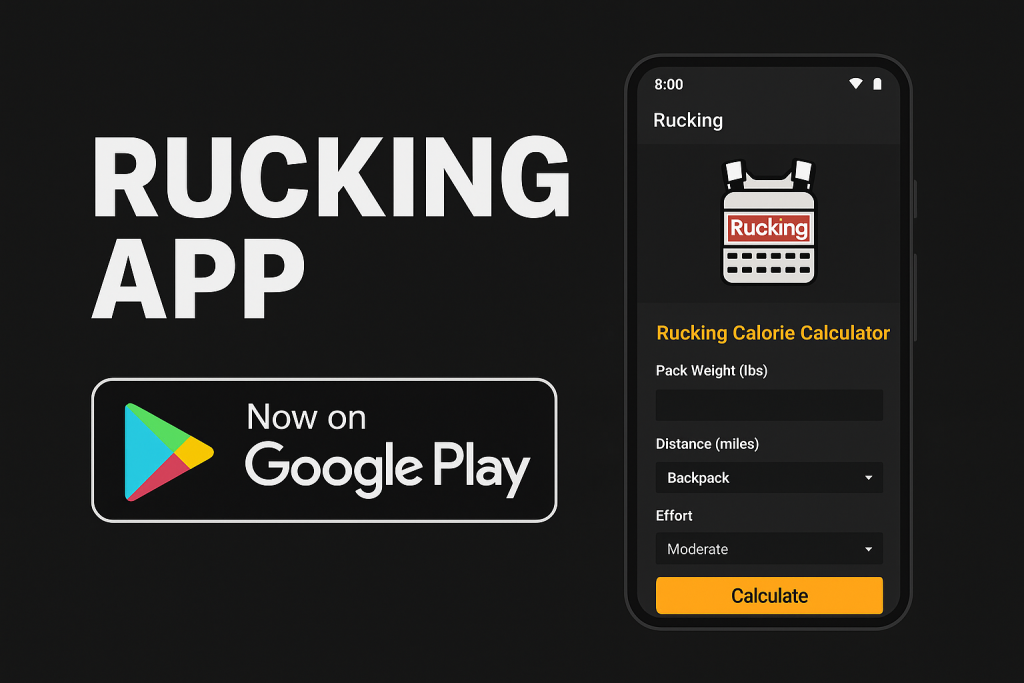
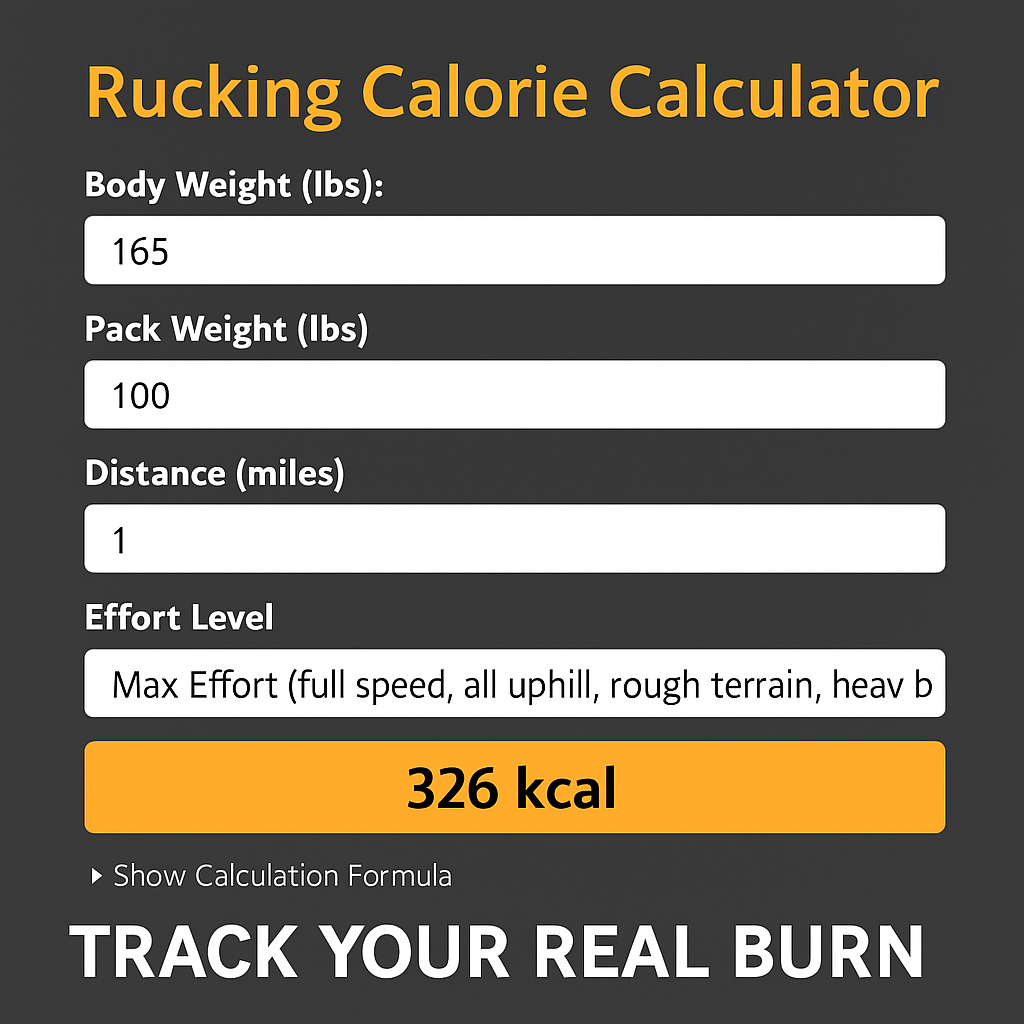
To estimate calorie burn for weighted walking and rucking, use the rucking calorie calculator below. It’s tuned for load-carrying activity and gives practical numbers you can use when planning weekly energy balance.

Product suggestions for different goals
If you want a comfortable, daily-use vest for long walks and moderate loads, favor well-padded, adjustable options. For heavier strength work, look for high-capacity vests and plate systems. Two practical picks to consider:
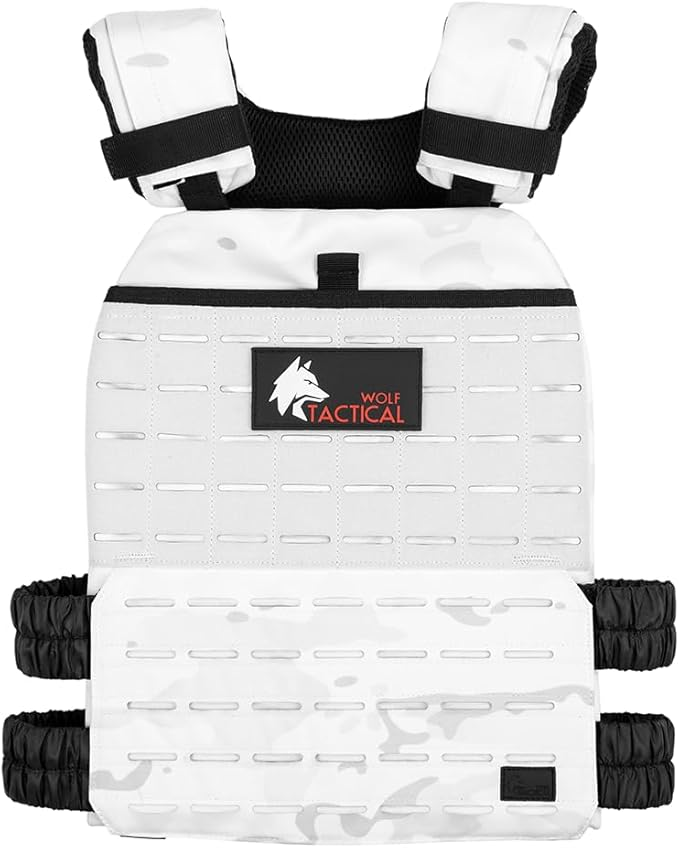
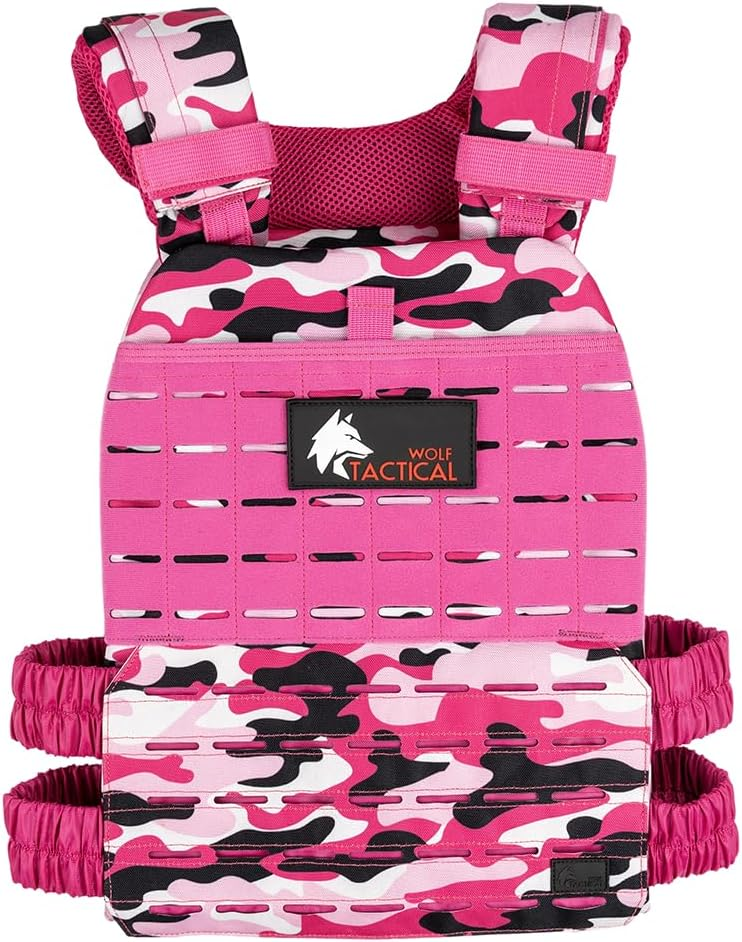
Wolf Tactical Weighted Vest is a solid all-purpose choice for comfort-focused training and walking. It balances adjustability and breathability for long sessions.

If you want a trainer-grade vest made for tougher gym-style loading and calisthenics, look at the 5.11 TacTec trainer:
5.11 TacTec Trainer Weight Vest is built to handle harder conditioning while still providing a clean fit for dynamic movement.

Final practical tips
- Break in new vests with short sessions and gradually increase time.
- Address hot spots immediately with padding or strap adjustments.
- Track progress with simple metrics: minutes under load, distance, hill count.
Whether you call it a Rogue training vest or shop other brands, prioritize fit over hype. A well-fitted vest that you can wear consistently will deliver far better results than the heaviest rig that causes pain. If you need calibrated calorie estimates, click the rucking calculator image above and plug in your load and pace before your next session.