What a “Rogue weight plates vest” really means
When you search for a “Rogue weight plates vest” you’re usually hunting for a way to load a vest with steel or iron plates for rucking, calisthenics, or heavy walking. Rogue is a brand most people associate with durable plates and gym hardware. In practice, the important questions aren’t just about brand — they’re about plate geometry, thickness, fit in your vest, and how the added mass changes movement and comfort.
Fit and plate compatibility
Plate compatibility is the first priority. Many vests accept soft packs or sandbags; fewer accept hard plates unless the vest was designed as plate-compatible. Before you invest in plates, check the vest manufacturer’s pocket dimensions or buy plates that are specifically sized for that vest. Plate shape matters: hex or rectangular plates sit differently than rounded bumper-style plates.
Practical considerations
- Thickness: Thin, dense plates let you stack weight without changing the fit much.
- Edge finish: Smooth edges reduce chafing; rough or sharp edges will create hot spots during long walks.
- Weight increments: Smaller increments (5–10 lb) let you progress gradually.
- Distribution: Centralized plates change posture differently than evenly distributed small plates.
How plates change rucking and performance
Adding solid metal plates increases inertia and changes your gait. Expect shorter strides, a lower cadence, and a stronger need for hip and core engagement. If you typically use soft weights or sandbags, switching to steel plates will feel stiffer — good for load carriage training but less forgiving on the spine if fit is poor.
Checklist for safe plate use
- Confirm pocket dimensions — measure before you buy.
- Start light — add 5–10% of bodyweight incrementally, especially on longer rucks.
- Use padding or a plate carrier insert if the vest lacks built-in cushioning.
- Monitor skin friction points and adjust clothing or padding as needed.
- Include mobility and posterior-chain strength work in your routine to support heavier plates.
Calorie and training implications
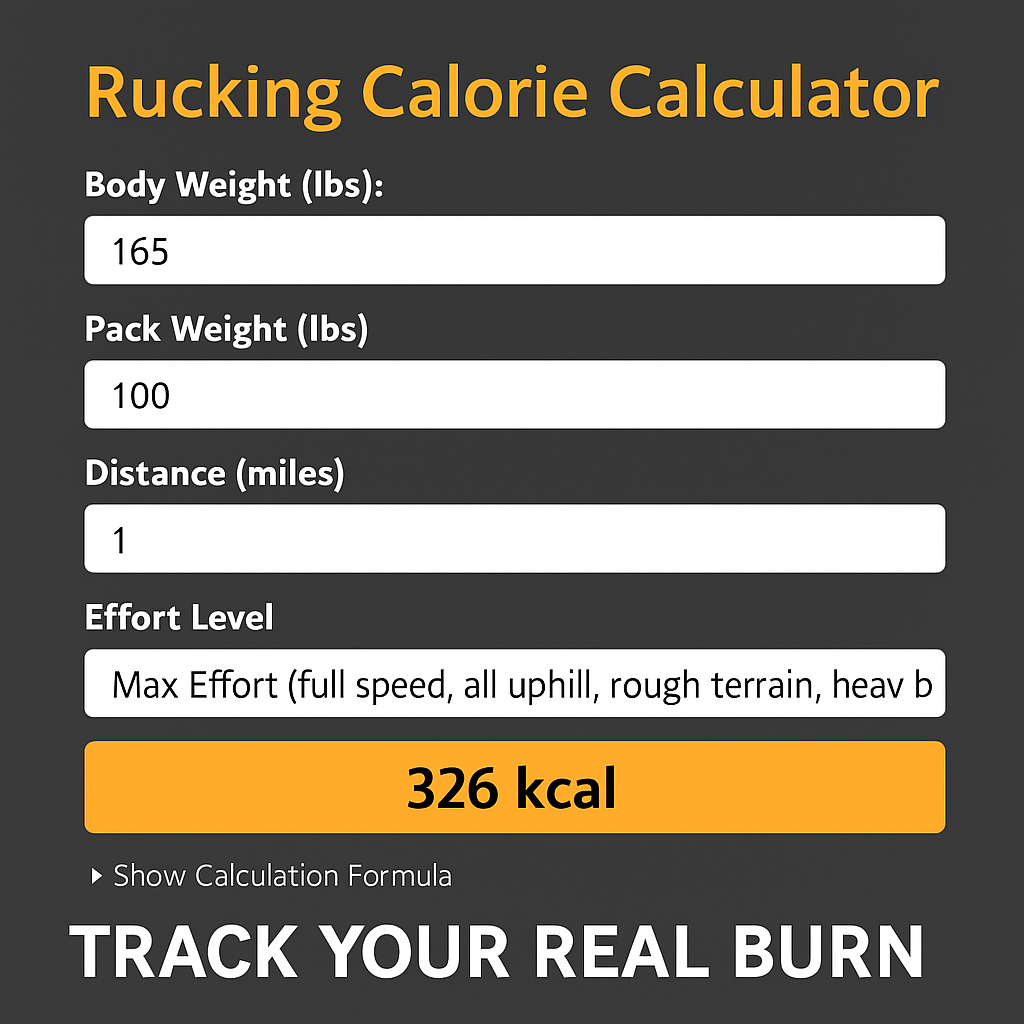
Hard plates increase energy cost compared with unweighted walking or soft packs because they raise the mechanical demand. If you want an easy way to estimate how plates affect your calorie burn for a walk or ruck, try the rucking calorie calculator linked below. It’s the most practical calculator for plate-loaded vest work and will help you plan sessions and recovery.

Recommended plate option for plate-loaded vests
If you’re shopping for plates to use in a vest that accepts hard weights, the Yes4All Ruck Weight Plate is a practical choice: it comes in common increments and is reasonably priced for experimentation. Use smaller plates to dial in balance and comfort before moving to heavier loads.

Final notes — real use, not hype
Plates are precise tools. When chosen and loaded correctly they give predictable progression for strength, conditioning, and calorie burn. When mis-sized or shoved into ill-fitting pockets they do the opposite. Keep practice pragmatic: measure, start light, protect skin, and use the calculator above to set realistic training targets for plate-loaded rucks and walks.