Shopping for rogue weight vest plates usually raises two questions: Will they fit my carrier, and what weight should I choose? Below is a clear guide to plate sizing, compatibility with popular carriers, safe progression, and a couple of well-built alternatives that perform like the big-name options.
Know your plate shape, size, and fit
Most weight vest plates follow a SAPI-style outline (the same general shape used in tactical carriers). They typically come in Medium or Large, with slight variations in width, height, and corner curves. Before buying, measure the internal plate pocket of your carrier and compare to the plate’s published dimensions. A good fit means:
- Minimal rattle: Plates shouldn’t shift when you jog, jump, or do push-ups.
- Secure ride height: The top of the front plate should sit roughly at mid-sternum for comfort and breathing.
- Balanced load: Match front and back plate weights so the vest doesn’t pull you forward or backward.
Finish and edges matter too. Smooth, rounded edges and a durable coating reduce hot spots on runs and burpees, and protect clothing during high-rep WODs.
How heavy should your vest plates be?
Common plate pairs total roughly 10–30 lb across the front and back. A simple rule of thumb for general conditioning is starting around 6–10% of bodyweight and progressing toward 10–20% as your joints and technique adapt. Err on the lighter side if you’re doing lots of running, plyometrics, or high-volume calisthenics; you can add intensity through pace and density rather than only chasing heavier plates.
- Beginners: 10–14 lb total is plenty for long walks, rucks, and bodyweight circuits.
- Intermediate: 14–20 lb total for mixed runs, squats, push-ups, pull-ups, and short rucks.
- Advanced: 20–30 lb total for strength-biased work and confident runners with solid mechanics.
Compatible alternatives that fit most TacTec-style vests
If you’re set on the Rogue style, verify the SAPI cut and dimensions against your carrier. If you’re open to equally rugged options, these two are proven and widely compatible.
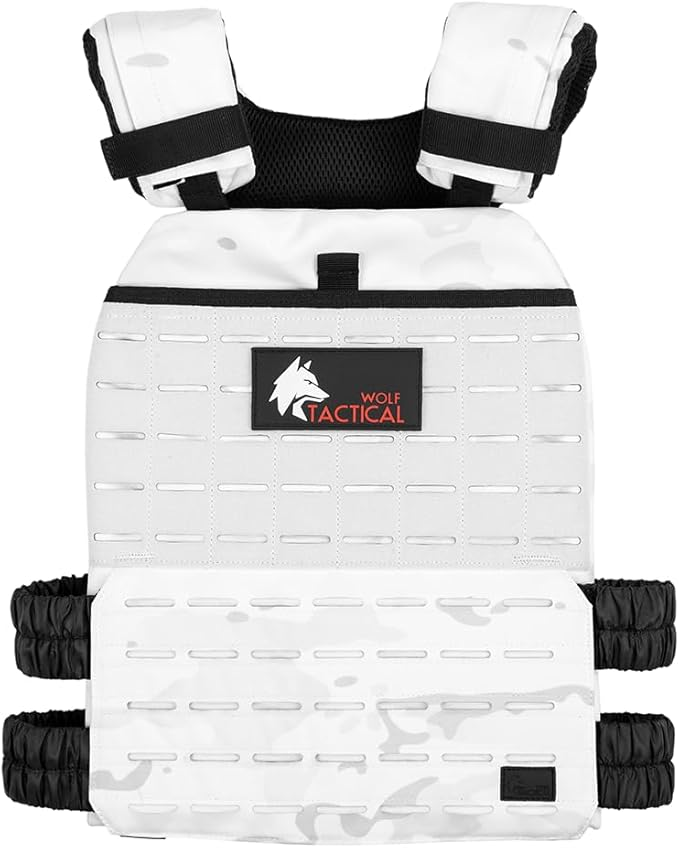
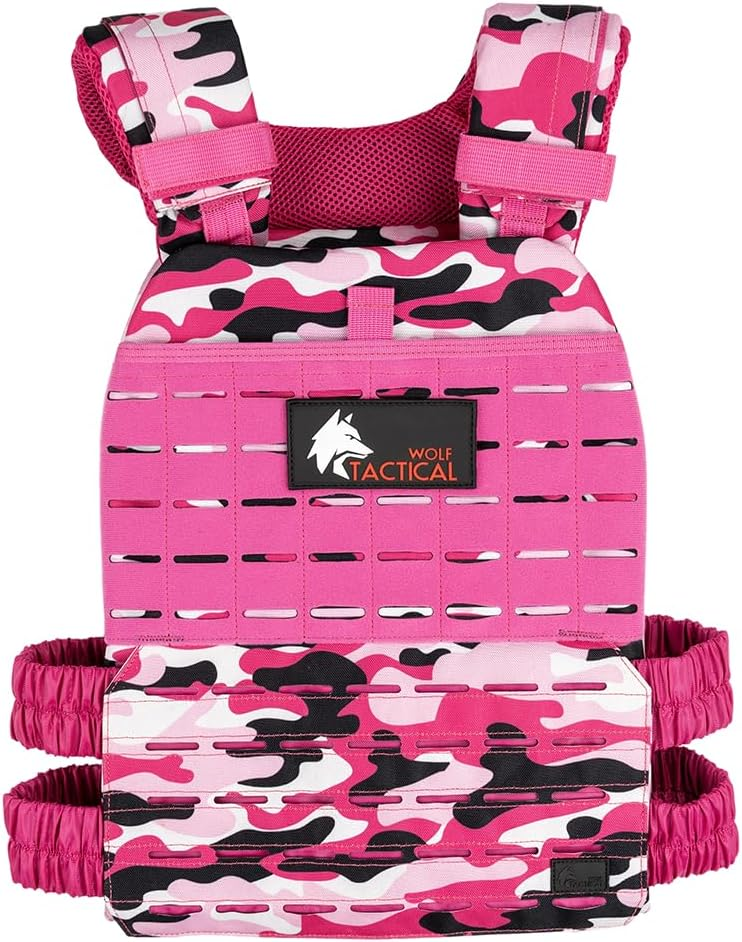
WOLF TACTICAL Weight Vest Plates (pairs) come in multiple weights and are designed for standard tactical carriers. They’re laser-cut, coated for durability, and sized to seat firmly without bounce in most plate sleeves.

Need a reliable carrier for plates—whether Rogue-style or Wolf Tactical? The 5.11 Tactical Unisex TacTec Trainer Weight Vest is a staple because it balances comfort with stability. The wide shoulder straps distribute pressure, the cummerbund locks the load in place, and the mesh reduces heat buildup during runs and rucks.

Vest plates vs. ruck plates
Vest plates keep weight high on the torso—excellent for calisthenics and short-to-moderate runs. For longer-distance walking or hiking, a ruck backpack can be easier on the spine and hips, and allows finer load adjustments. Many athletes mix approaches: vests for strength-density sessions, rucks for longer aerobic work.
Progression, technique, and session design
Increase load gradually—about 1–2 lb per week or every other week—only when your joints feel good and your breathing stays smooth. Keep the vest snug to eliminate bounce, and split volume: do some sessions focused on easy conversational-pace walking with the vest, and others dedicated to strength circuits like push-ups, pull-ups, air squats, step-ups, and lunges. For running, shorten your stride, land softly, and keep cadence high to reduce impact per step.
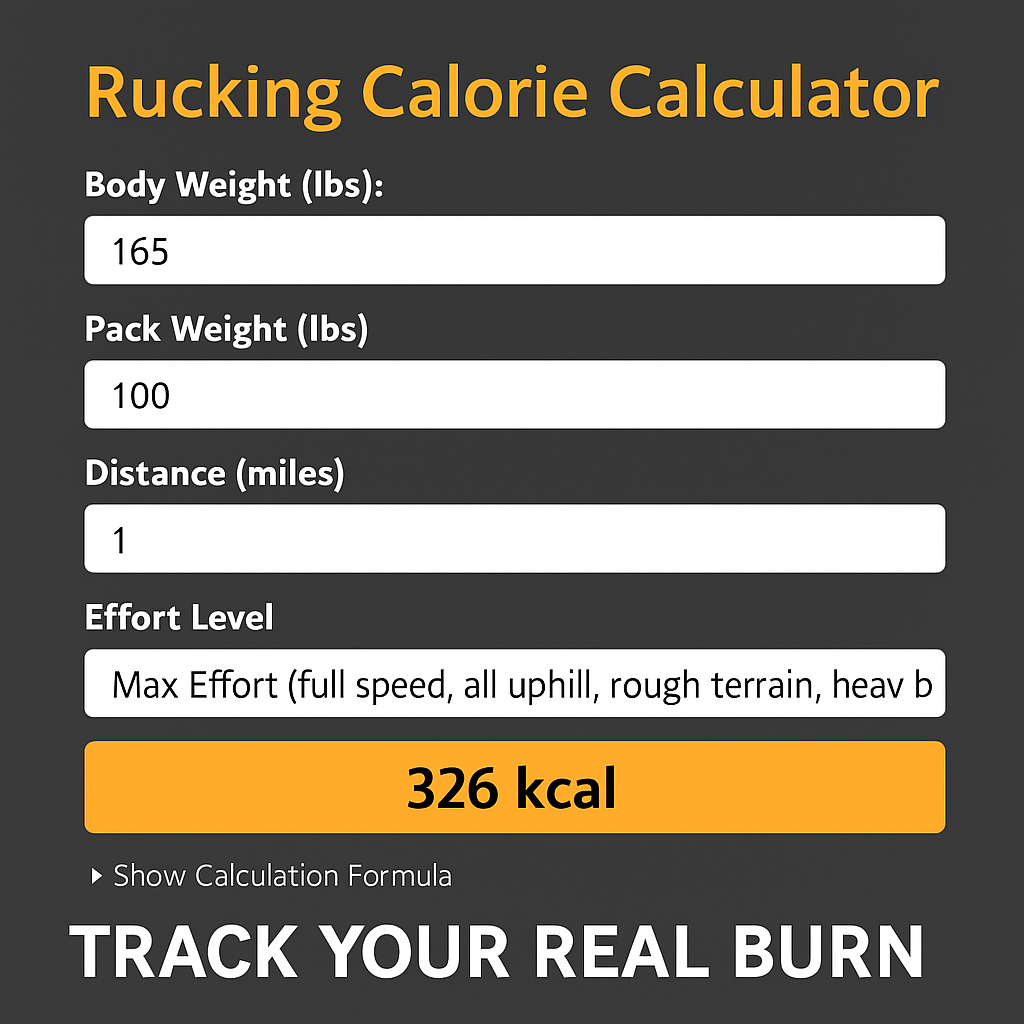
Estimate your calorie burn
Curious how many calories your weighted-vest walk or ruck is burning? Use this quick tool to dial in nutrition and weight-loss targets:

Care and safety
Wipe plates dry after sweaty sessions to protect the coating. Check stitching and Velcro on your carrier monthly. If you feel numbness in your arms or neck, loosen the vest and adjust plate height. Respect recovery—one or two heavy days per week goes a long way.
Bottom line: whether you choose rogue weight vest plates or a compatible alternative, prioritize fit, progressive loading, and session quality. The right setup will feel secure, breathe well, and help you train harder without beating you up.