Quick take on Rogue women’s weighted vest
Rogue makes solid gear, and their women’s weighted vest designs try to balance a low profile with rugged materials. If you’re shopping for a vest to use for rucking, walking, or adding load to bodyweight work, sizing and fit matter more than brand hype. This guide focuses on practical fit, movement, and real-world rucking recommendations so you get a vest you can wear for miles without chafe or shifting plates.
Why fit and profile matter
A weighted vest that sits off the chest, rides up, or concentrates weight on a narrow band ruins posture, creates hotspots, and increases fatigue. For women, torso length and chest clearance are key. Look for vests with:
- Adjustable shoulder and side straps so you can dial in a close-to-body fit.
- Even weight distribution (multiple, low-profile pockets) to avoid pressure points.
- Durable but breathable materials—nylon outer with a thin mesh back or spacer fabric often works well.
Sizing checklist
When trying a Rogue women’s weighted vest, test these while you wear it unloaded and loaded:
- Can you take a full, deep breath without the vest shifting dramatically?
- Do shoulder straps sit on muscle, not on the collarbone?
- When you walk briskly or power-hike, does the vest stay put without bouncing?
If any answer is no, try a different size or a different model. For many women, a vest with a slightly higher neckline and broader shoulder pads reduces movement and friction during long walks.
How to use a women’s vest for rucking
Rucking with a weighted vest changes your biomechanics differently than a backpack. I recommend starting with conservative loads and shorter sessions:
- First two weeks: 10–20% bodyweight, 20–40 minute walks to build tolerance.
- Weeks 3–6: gradually add 5–10 lb increments and extend walks to 60–90 minutes.
- Focus on posture—shorten stride slightly, keep chest up, and engage your glutes and core on climbs.
For women new to load carriage, a vest that allows small incremental plates or sand pouches is ideal so you can progress without big jumps in intensity.
Product comparison and a recommendation
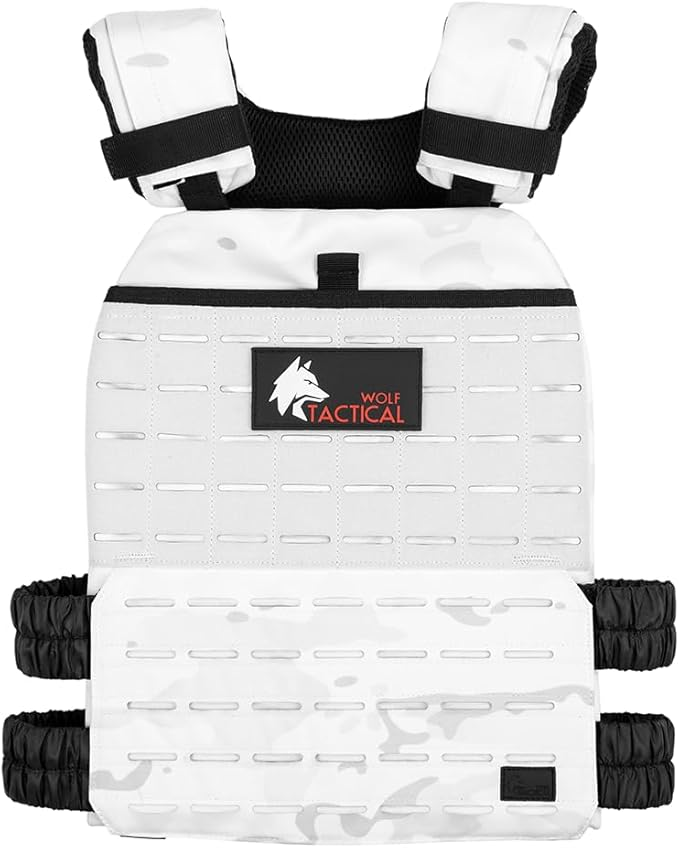
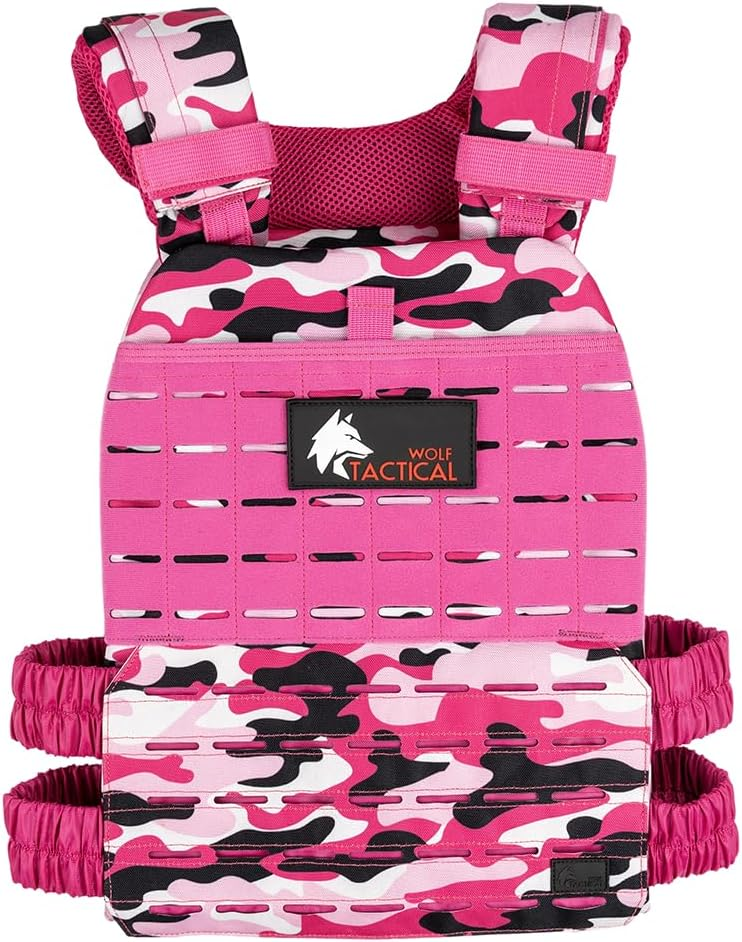
If comfort and beginner-friendly fit are your priority, consider options designed with adjustability in mind. One example I often recommend for a comfortable first vest is the Wolf Tactical Adjustable Weighted Vest because of its flexible sizing and padded shoulders.

Estimate calorie burn and plan progress
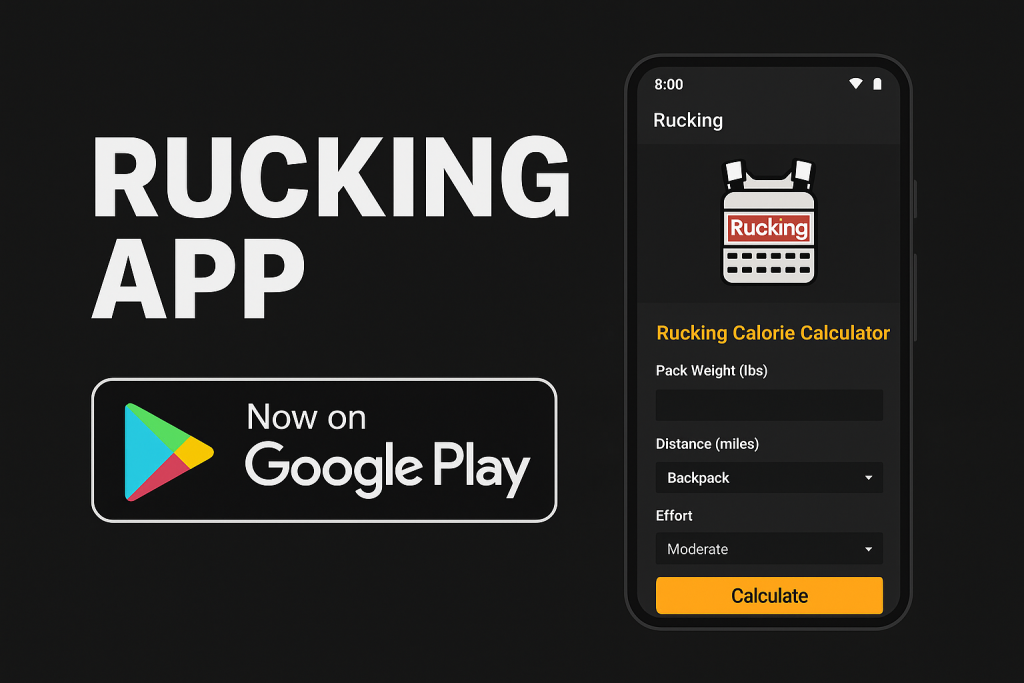
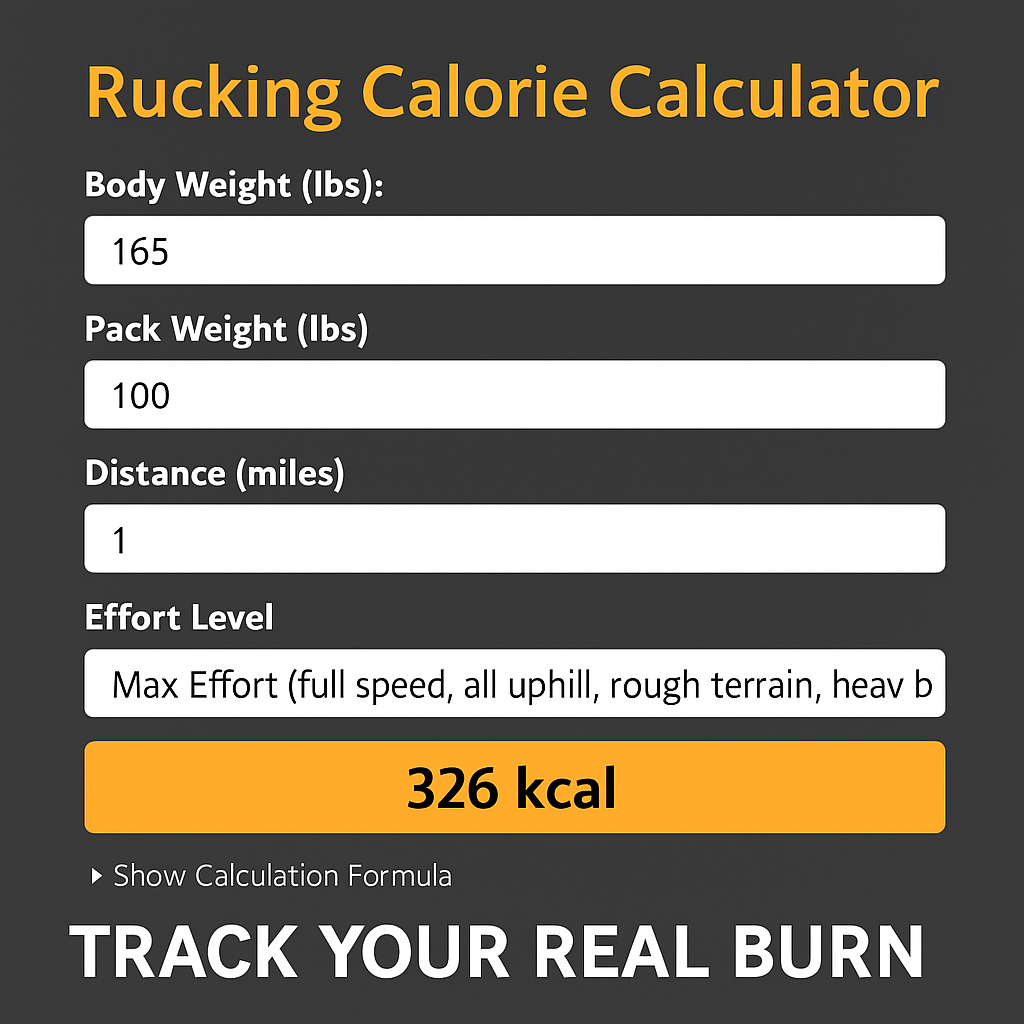
One way to plan sessions is to estimate calorie burn for a loaded walk. Use the rucking calorie calculator below to get a tailored estimate for your weight, pace, distance, and vest load. It helps you program progressive sessions and match energy intake to your goals.

Final practical tips
- Start light and prioritise comfort: an imperfect fit with light load beats a perfect fit with too-heavy plates.
- Layer thin, synthetic fabrics under the vest to cut friction—cotton will trap sweat and increase rubbing.
- Practice on mixed terrain before committing to long routes; hills reveal fit issues fast.
Full disclosure: I lost 90 lbs through rucking, weighted-vest training, and disciplined nutrition, and I still recommend weighted vests as one of the most reliable ways to maintain a lower body weight and burn fat consistently. If you follow fit-first principles and progress slowly, a Rogue women’s weighted vest can be a durable choice—just treat fit and adjustability as the deciding factors, not the badge of a brand.