Why a ruck weight vest beats a random backpack for loaded walking
A ruck weight vest turns walking into focused load carriage. Unlike a standard backpack, a properly fitted vest keeps the load centered on your torso, improves posture, and reduces bounce so you can train longer with less skin irritation. This post covers fit, progression, and practical training tips for a ruck weight vest you can use on trails, roads, and mixed-terrain rucks.
Key benefits of training with a ruck weight vest
- Higher calorie burn per minute compared with bodyweight walking at the same pace.
- Better posture and spinal alignment under load compared to uneven backpack loads.
- Safer, more consistent placement for plates and sandbags—reduces chafing and shifting.
How to choose the right ruck weight vest
Choose a vest that matches your goals. For beginner and fitness-focused ruckers, look for comfort, adjustability, and modular pockets to add small weight increments. For heavy strength or calisthenics work, a robust plate-compatible vest is better. I recommend starting with a vest you can comfortably add 10–20% of your bodyweight to and progress from there.
Fit checklist
- Shoulder straps sit on the meat of the shoulder, not the neck.
- Chest and waist straps allow you to lock the vest in—no slop or vertical bounce.
- Weight pockets are centered and low enough to keep your center of mass stable.
Practical progression and programming
Start with short sessions: 20–30 minutes of walking with 5–10% bodyweight in the vest, two to three times per week. Add weight in small increments (5–10 lbs) or add time before increasing load. A simple progression looks like:
- Weeks 1–2: 20–30 minutes, 5–10% bodyweight.
- Weeks 3–4: 30–45 minutes, +5 lbs or +10 minutes.
- Weeks 5+: mix tempo walks, hill repeats, and lighter recovery days to build durability.
Safety: breathing, pacing, and recovery
Breathe through the nose and mouth, keep cadence steady, and watch for hot spots on the skin. If seams or straps dig in, adjust or add thin padding. Always cool down and stretch hips and lats after loaded walks.
Recommended gear
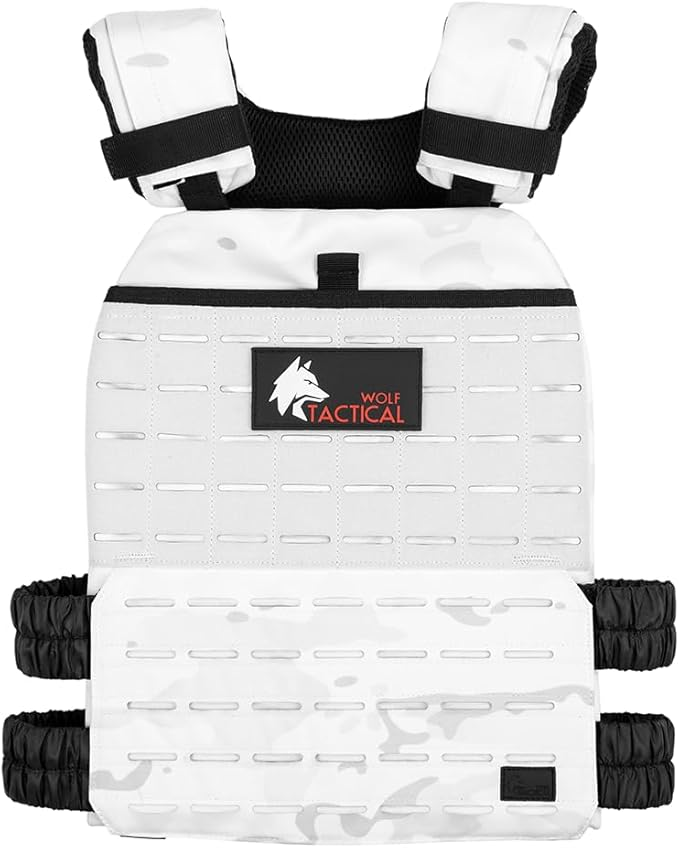
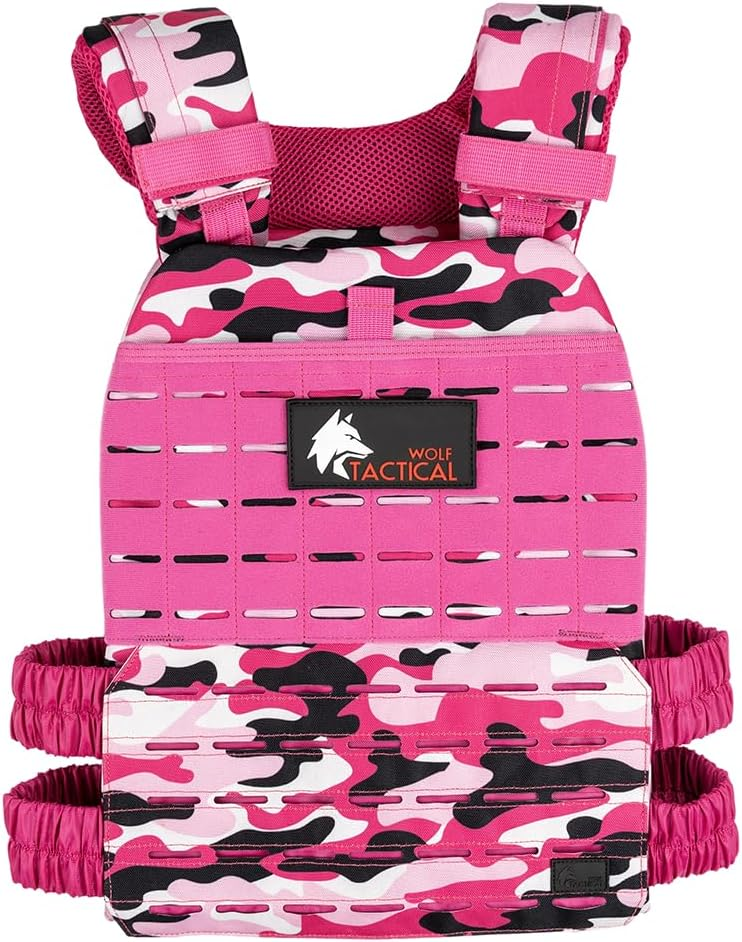
For most ruck weight vest users I recommend practical, durable vests that balance comfort and modular loading. For everyday rucks pick a comfortable tactical vest; for heavier plate work choose a plate-capable model.

For those blending long-distance rucks with load carriage, a solid ruckpack is a smart complement:

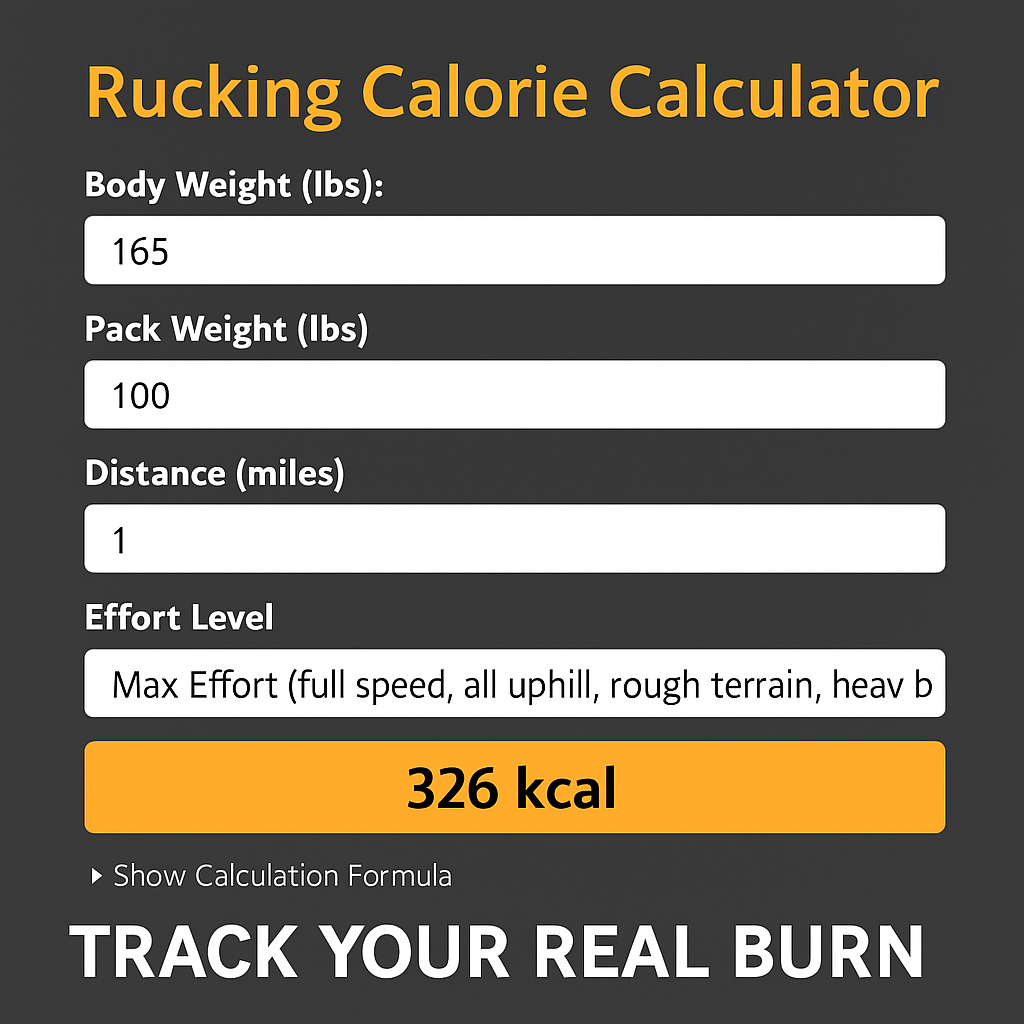
Estimate your calorie burn with a simple calculator
Want to know how many calories a session with a ruck weight vest burns? Use the rucking calorie calculator to plug in your weight, pace, distance, and vest load. It’s the fastest way to plan progressive sessions and align rucking with your nutrition.

Experience and coaching note
As someone who coaches ruck-based transformations, I keep the guidance simple: small, consistent increases in time or load beat occasional huge jumps. I’m Preston Shamblen, ISSA-certified, and I lost 90 lbs through disciplined rucking, weighted-vest work, and nutrition. I still recommend a well-fit ruck weight vest as one of the most reliable tools to maintain a lower body weight and burn fat consistently.
Final tips
- Prioritize fit and comfort before chasing heavy numbers.
- Use incremental plate sizes or sandbags to fine-tune load.
- Track sessions and calories with the calculator to keep progression honest.
Rucking is simple, repeatable, and scalable. With a properly chosen ruck weight vest you get efficient calorie burn, better posture under load, and a training tool that translates to everyday strength and endurance.