A rucking vest for men should do three things well: distribute weight comfortably, stay stable while you move, and make progression simple. Whether you’re walking neighborhood loops or tackling trails, a well-fitted vest lets you train the engine (cardio) and chassis (posture and strength) at the same time.
What to look for in a men’s rucking vest
- Fit and stability: A snug chest fit with adjustable shoulders and side straps prevents bounce. The vest should not ride up when you jog across the street or climb stairs.
- Breathability: Mesh panels and spacers reduce heat. You want airflow across the chest and upper back so you can sustain longer efforts.
- Load distribution: Even front/back loading encourages upright posture and reduces low-back fatigue. Plate-carrier styles excel here.
- Durability: Double-stitched seams and abrasion-resistant fabric matter when you sweat, move, and repeat weekly.
For most men, begin with 5–15% of bodyweight depending on experience and terrain. If you’re brand new, 10–20 lb is a smart starting point. Advanced walkers often carry 25–40 lb, but only after your joints, feet, and lungs adapt.
How much weight to use (and how to progress)
Use the talk test: you should be able to speak in short sentences without gasping. If your breathing is strained or your posture collapses, drop 5 lb. Add 2–5 lb only when a route feels comfortably repeatable for two sessions in a row. Keep steps short and quick; avoid overstriding.
- New to rucking vests: 2–3 sessions per week, 20–40 minutes each, flat terrain.
- Intermediate: 3–4 sessions, 35–60 minutes, include small hills or soft trails.
- Advanced: 4+ sessions, 45–90 minutes, mix hills, stairs, or weighted intervals.
Simple weekly plan
- Day 1 (easy base): 30–40 min at conversational pace. Focus on tall posture, relaxed shoulders.
- Day 3 (progressive): 10 min easy, then 3×5 min “brisk” with 2 min easy between, finish with 5–10 min cooldown.
- Day 6 (terrain): 40–60 min on rolling hills or a soft trail. Shorten stride on climbs; light, quick feet on descents.
Strength pairing option (2–3 rounds after an easy ruck): 10 push-ups, 10 air squats, 20-second side planks each side. Keep the vest on if the load doesn’t break form.
Recommended vests for men
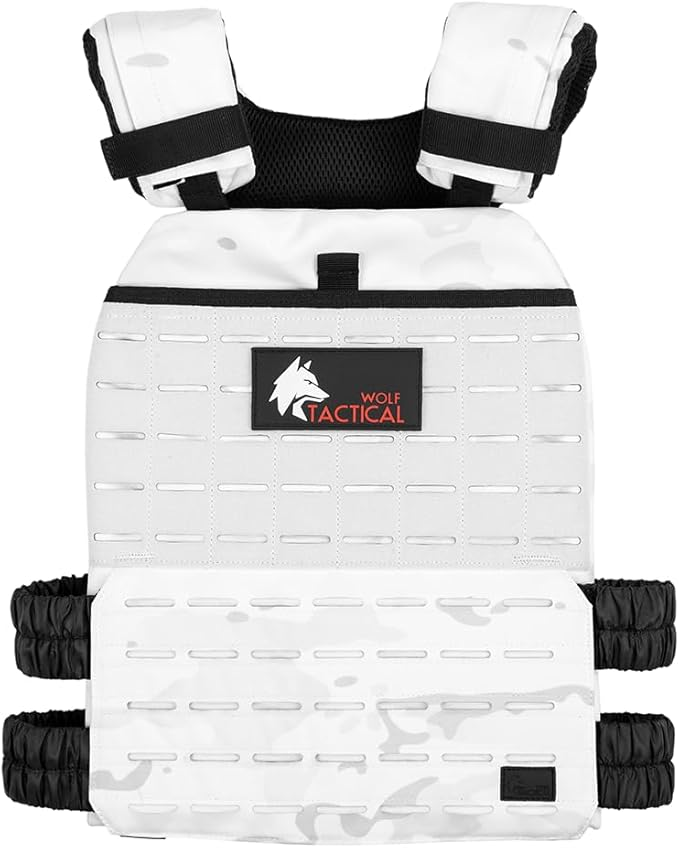
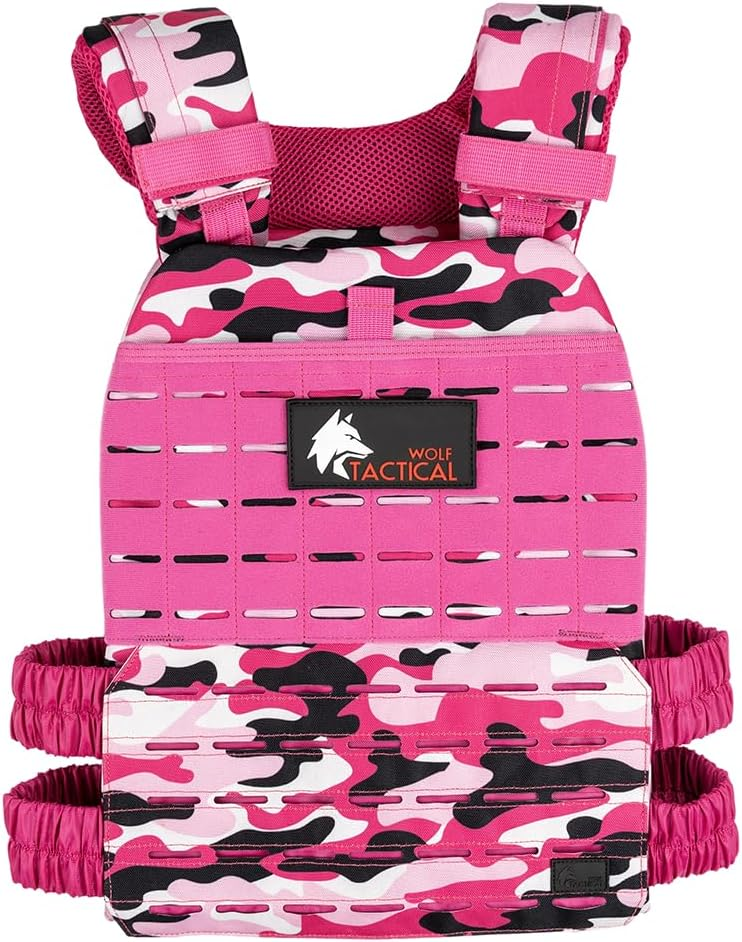
If comfort and adjustability are your priorities, the Wolf Tactical Adjustable Weighted Vest is a reliable entry point with balanced loading and breathable materials.

For premium durability and plate compatibility, the 5.11 Tactical Unisex TacTec Trainer Weight Vest is a favorite for tougher sessions and longer wear. It rides close to the body, stays quiet, and spreads the load evenly across the torso.

Estimate your calorie burn
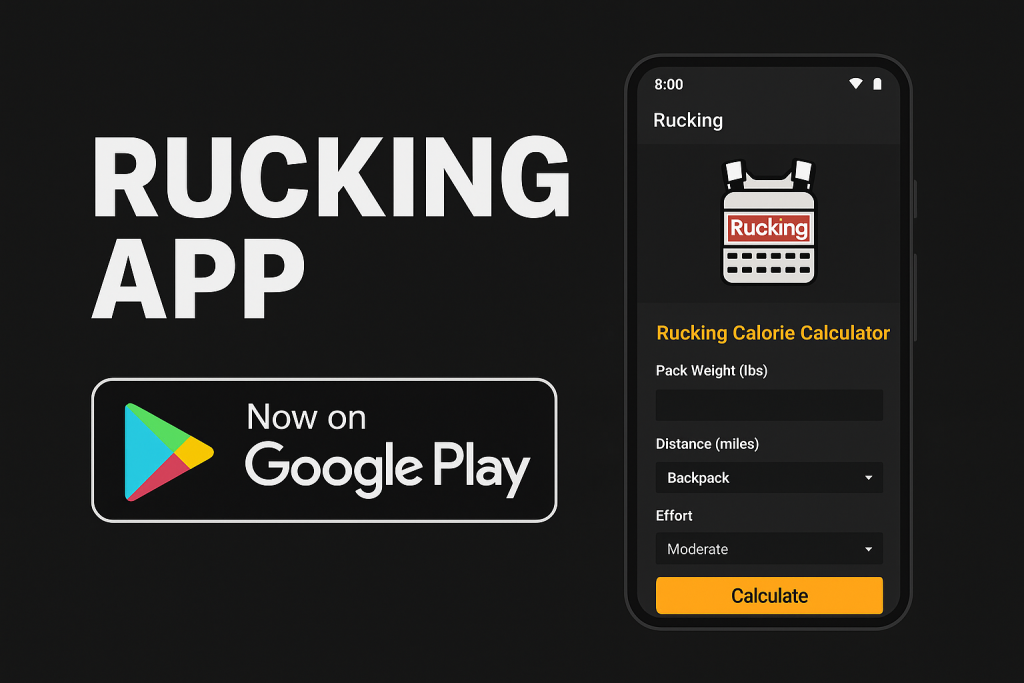
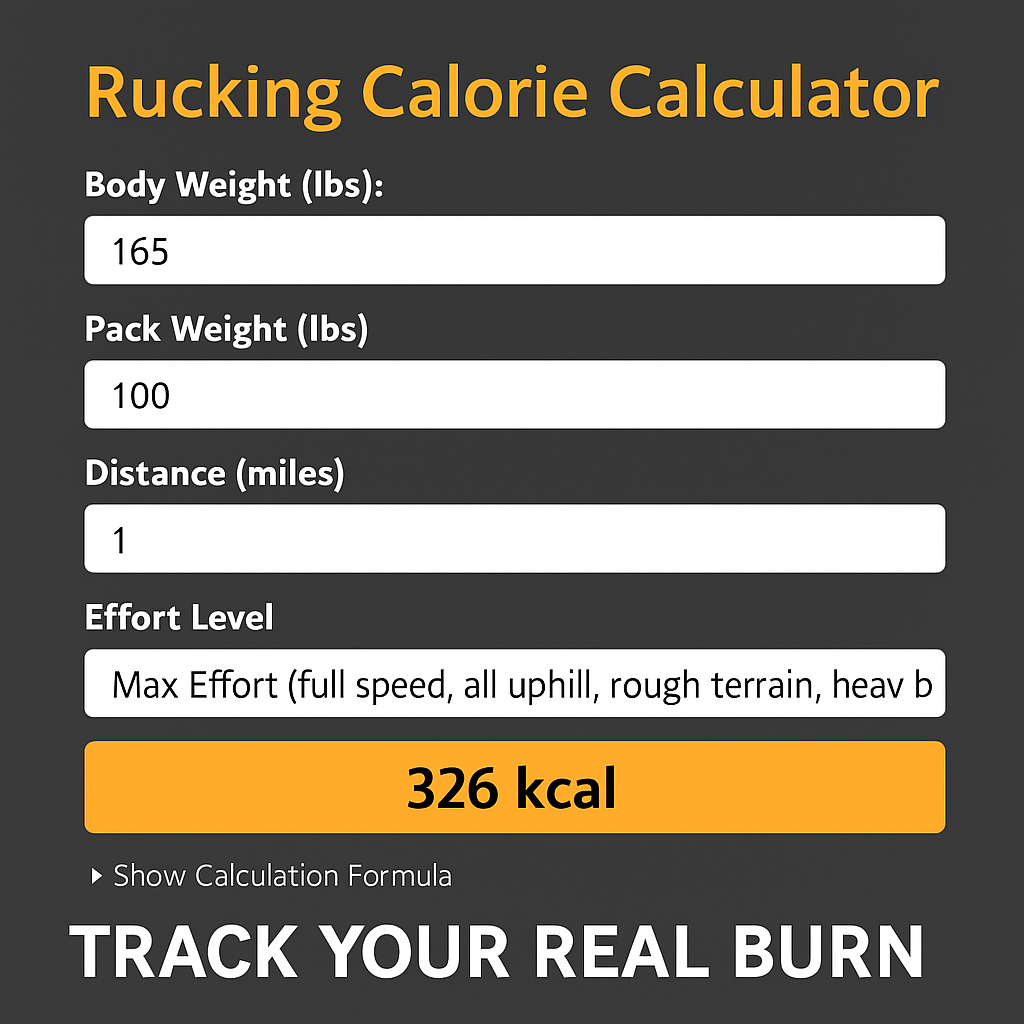
Curious how much energy your weighted walks are actually using? Plug your bodyweight, vest load, pace, and distance into this tool to estimate session calories. It works great for both weighted-vest walking and backpack rucking.

Technique and safety
- Posture: Tall chest, ribs down, slight core tension. Think “head to heel” alignment.
- Stride: Short, quick steps. Land under your center of mass to reduce joint stress.
- Breathing: In through the nose when possible, out through the mouth. If breathing spikes, slow down before adding weight.
- Footwear: Choose supportive walking shoes or light hikers with room for your toes to splay.
- Skin care: Manage hot spots with anti-chafe balm under the vest edges on long walks.
Start light, be consistent, and progress patiently. The right rucking vest for men should make training feel natural and repeatable, week after week.