Rucking vs Weighted Vest: which delivers better results?
Rucking loads a backpack and walks with purpose; a weighted vest spreads load across the torso for walking, stairs, and bodyweight work. Both build aerobic capacity, leg endurance, and calorie burn—yet they feel and stress the body differently. Here’s how to choose between rucking vs weighted vest based on your goals, joints, and weekly schedule.
Key differences that matter
- Load placement: Rucking places weight behind you, shifting your center of mass backward and encouraging a slight forward lean. A weighted vest centers the load on your torso for a more neutral stride.
- Posture and muscles: Rucking challenges the upper back, lats, and hips more; vests emphasize core bracing and even loading through the trunk.
- Stride and terrain: Rucking excels on dirt, hills, and long distances. Vests shine on sidewalks, stairs, and circuits mixed with push-ups, lunges, or pull-ups.
- Joint feel: Many find vests smoother on the low back; rucks can feel friendlier on the shoulders vs. heavy vests. Both should start light and progress gradually.
- Weight progression: Rucks often scale in 5–10 lb jumps (plates or bricks). Vests let you fine-tune smaller jumps and move seamlessly into calisthenics.
Who should pick which?
- Choose rucking if you enjoy longer outdoor efforts, want trap/upper-back strength from load carriage, and plan to build toward 60–120 minute endurance sessions.
- Choose a weighted vest if you prefer brisk 20–45 minute walks, stairs, or circuits where you can mix in squats, push-ups, or pull-ups without removing a pack.
- Blend both if you want the best of each: one long ruck day, one or two shorter vest walks plus a vest-calisthenics session.
Simple weekly template
- Beginner (3 days): Day 1 vest walk 20–30 min at 5–8% bodyweight; Day 2 ruck 30–45 min at 8–12%; Day 3 vest circuit 15–25 min (walk 3 min, 10 squats, 8 push-ups, repeat).
- Intermediate (4 days): Ruck 45–75 min at 10–15%; Vest walk 25–40 min at 8–12%; Ruck hills or stairs 30–45 min; Vest circuit 20–30 min.
Recommended gear that just works
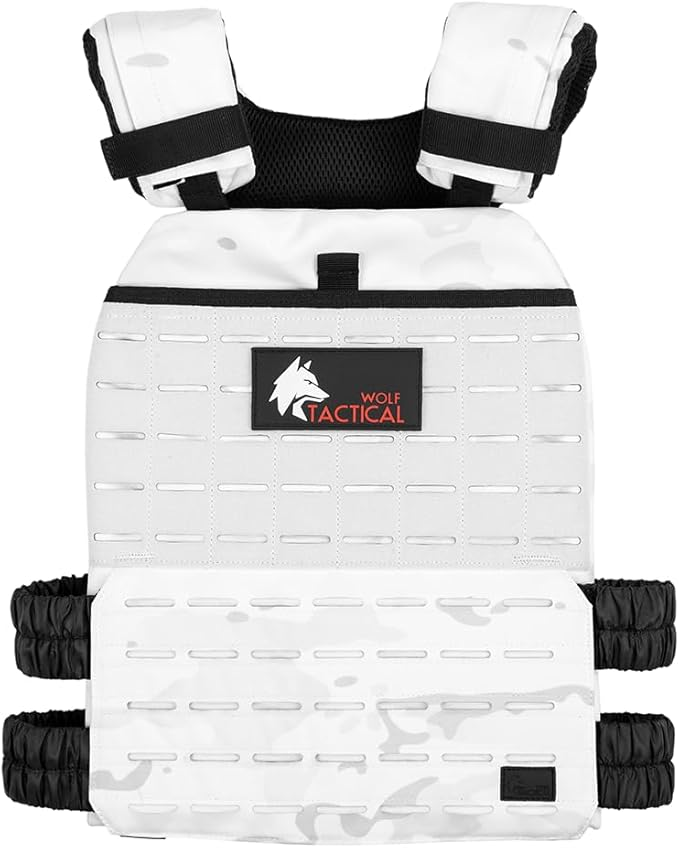
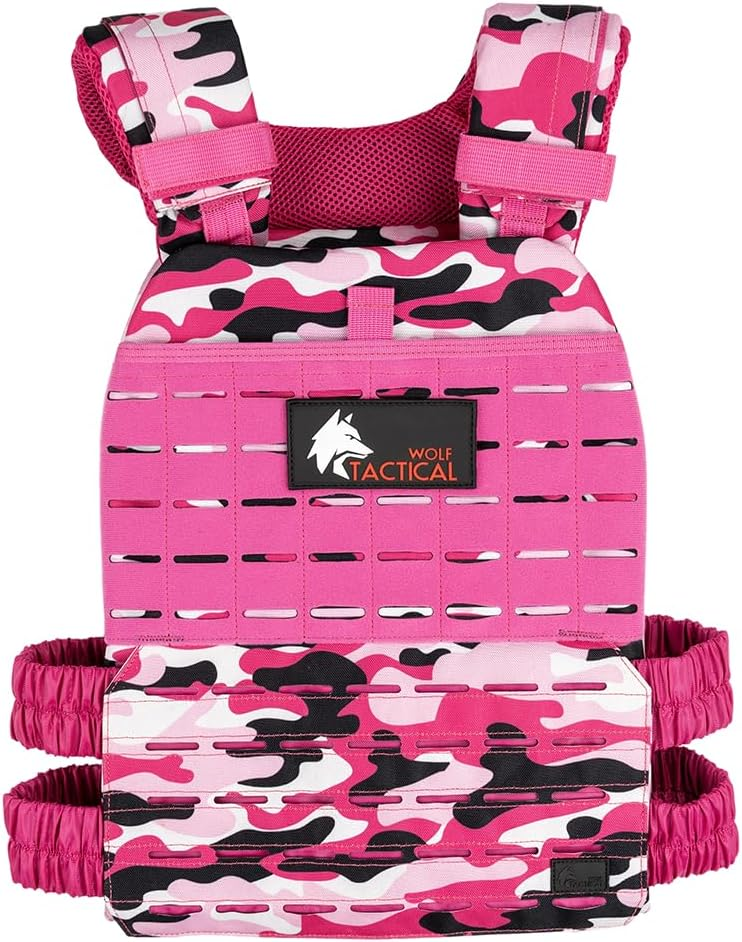
For a comfortable, adjustable vest that suits beginners and seasoned walkers alike, the Wolf Tactical Adjustable Weighted Vest is a reliable pick. For dedicated rucks that handle plates and miles, the GORUCK Rucker 4.0 20L is built for abuse.


Estimate your calorie burn
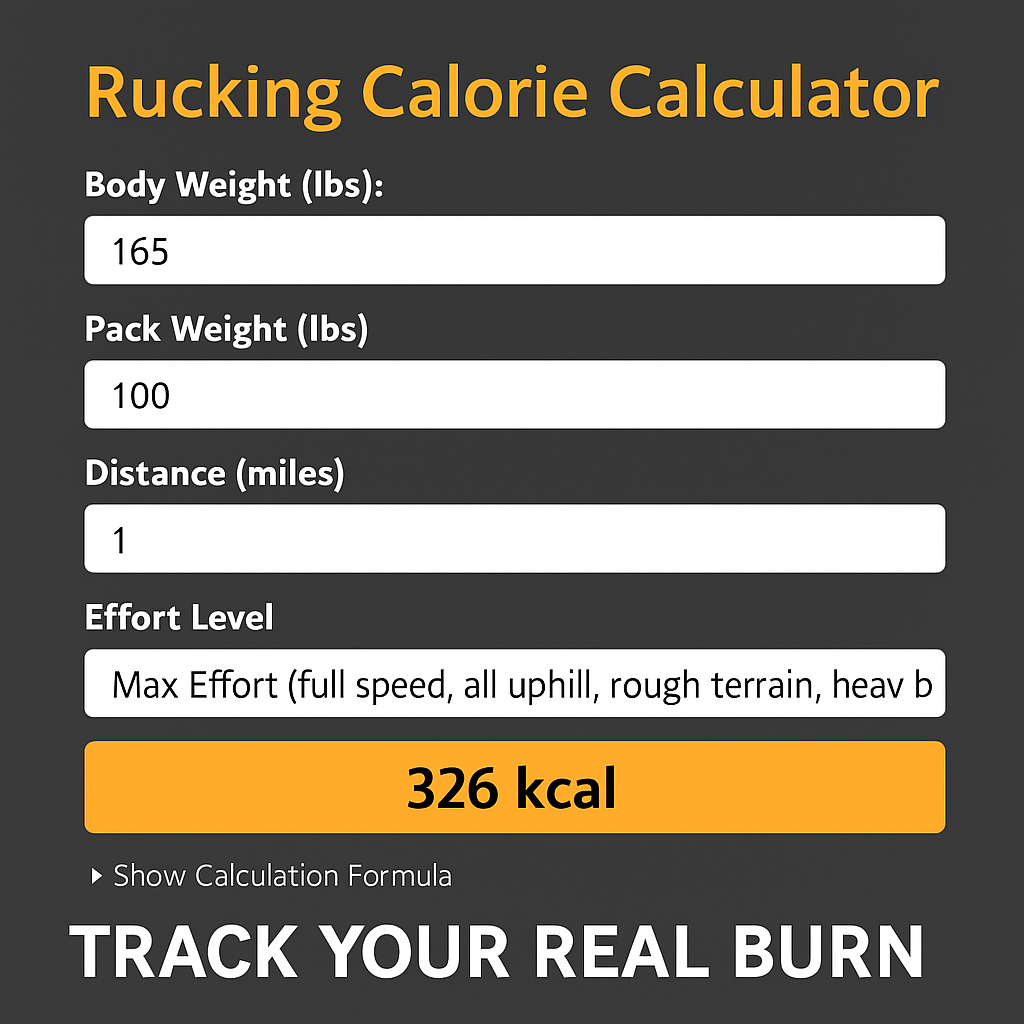
Whether you choose a ruck or vest, knowing your burn helps you plan training and nutrition. Use this calculator to estimate calories by pace, grade, and load:
Rucking and Weighted Vest Calorie Calculator

Progression and safety
- Start light: 5–8% of bodyweight for new lifters or anyone returning from time off. Add 2–5 lb every 1–2 weeks as long as form stays crisp and your shins and low back feel good.
- Pace before load: Increase minutes or terrain first, then weight.
- Posture cues: Ribcage down, chin tucked, elbows close. With a ruck, tighten the hip belt or sternum strap to reduce sway.
- Foot care: Moisture-wicking socks, broken-in shoes, and address hot spots early.
Bottom line
If you love long outdoor efforts and progressive endurance, rucking is hard to beat. If you want quick, versatile sessions (and easy transitions to bodyweight moves), a weighted vest is king. Many lifters get the best results by using both—one long ruck for engine building, plus 1–2 short vest sessions to keep weekly volume and calorie burn high without beating up the joints.