Why a running weight vest for men is different
A running weight vest men’s model isn’t the same as a general weighted vest. For running you want a low-bounce, breathable, and properly sized vest that keeps load close to your torso so your stride and posture don’t suffer. This guide focuses on the practical fit and training decisions that let you add load without turning every run into an awkward, injury-prone chore.
What to look for in a running weight vest
- Low-profile weight placement: plates or sand packs close to the spine and chest reduce pendulum effect.
- Secure adjustment: multiple straps and a snug torso fit stop the vest from shifting during sprints.
- Breathability: mesh panels, lightweight shell, and moisture management are must-haves for running.
- Range of motion: armholes and shoulder design should not rub or restrict arm swing.
- Progressive loading: plate pockets or small removable weights make it easy to add load safely.
Quick starter rules for men new to weighted running
- Start light: 3–10% of body weight for easy runs; adjust based on form and comfort.
- Short sessions only: begin with 10–15 minute runs, focus on form, and add time gradually.
- Mix it in: alternate weighted runs with unweighted runs and strength days to avoid overuse.
- Focus on cadence: maintain a slightly higher cadence to control impact and reduce bounce.
How I program weight and intensity
As a trainer I program weighted running the same way I program any progressive overload: controlled increases, consistent technique checks, and recovery. A typical progression for a new male runner might be 2–3 weeks at one load, then add 1–2% bodyweight or 2–5 lb in plate increments. If your form breaks—shortened stride, forward lean, or excessive heel strike—back the load down.
Practical session examples
- Easy run + vest: 15 min at conversational pace, vest at 5% bodyweight.
- Tempo intervals: 6 x 90s with vest at 3–4%, with 90s easy jog between reps.
- Short hill sprints: 6 x 20–30s uphill with light vest to train power; vest must not shift.
Choosing a product that actually works for running
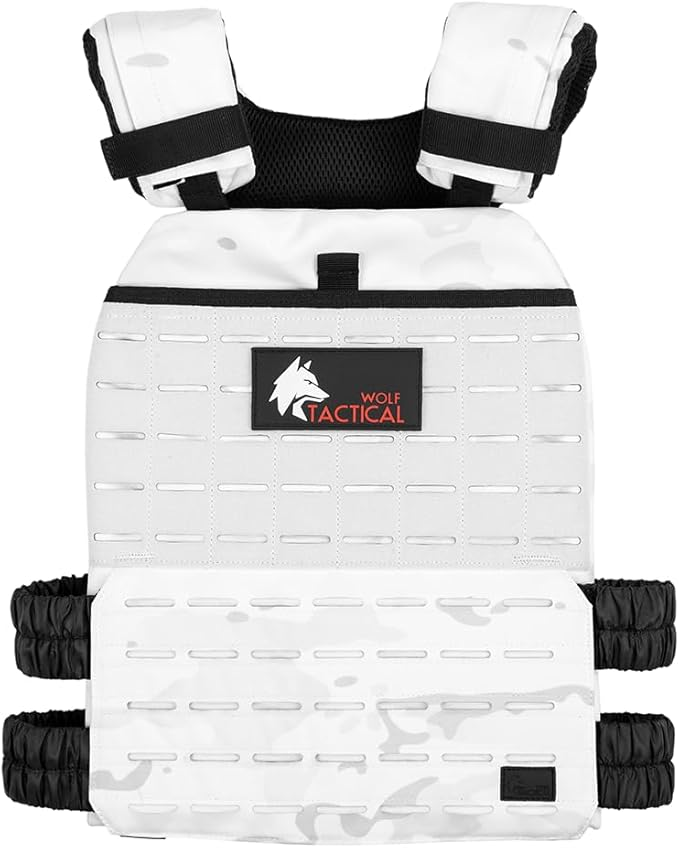
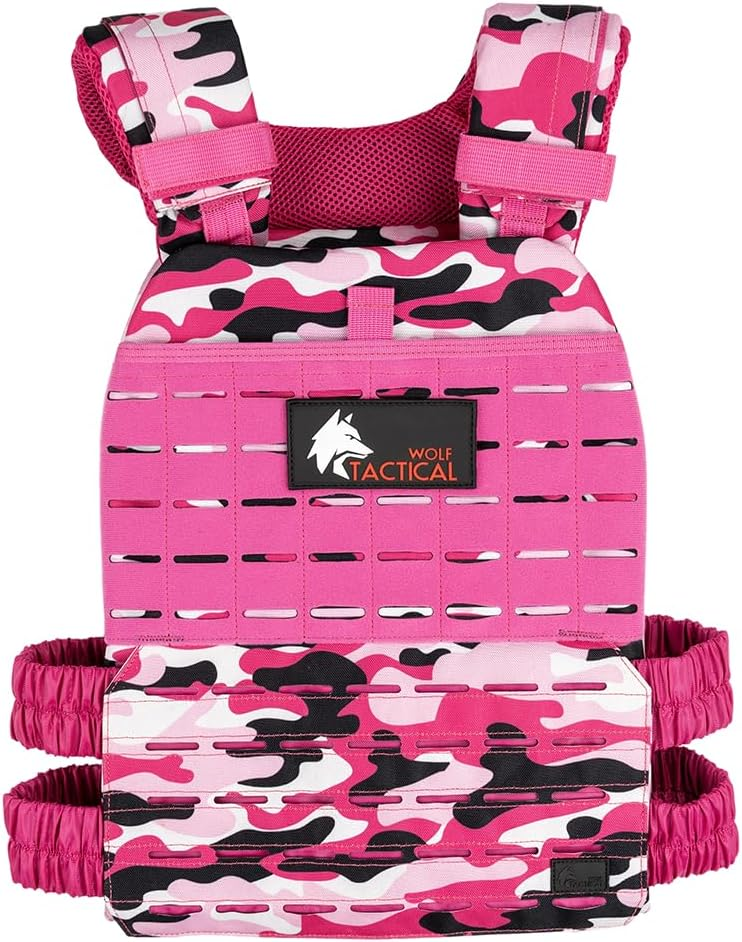
For running-focused use favor vests designed for low bounce and adjustability. If you’re shopping, the Wolf Tactical Simple Weighted Vest is a solid entry point: it’s adjustable, relatively low-profile, and comes in men’s and women’s sizes.

Safety and recovery
Pay attention to knees, hips, and Achilles—these take the extra load first. Keep sessions short during the first 4–6 weeks, prioritize mobility and foam rolling, and never push through sharp joint pain. If you’re using vests for weight-loss or calorie targeting, track effort and recovery rather than chasing heavier loads.
Estimate your calorie impact
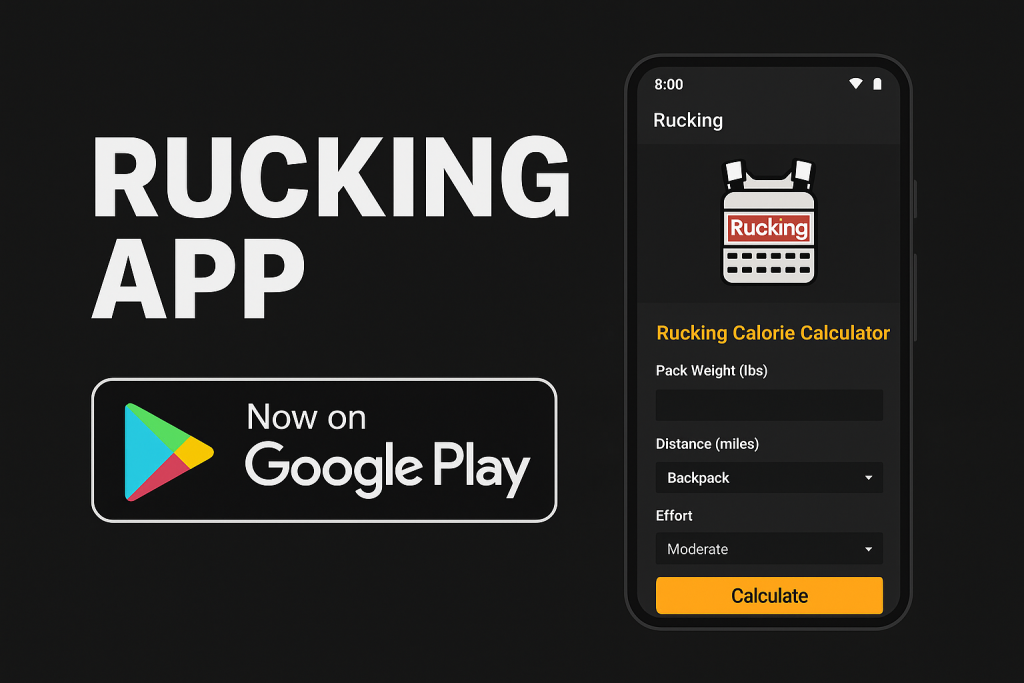
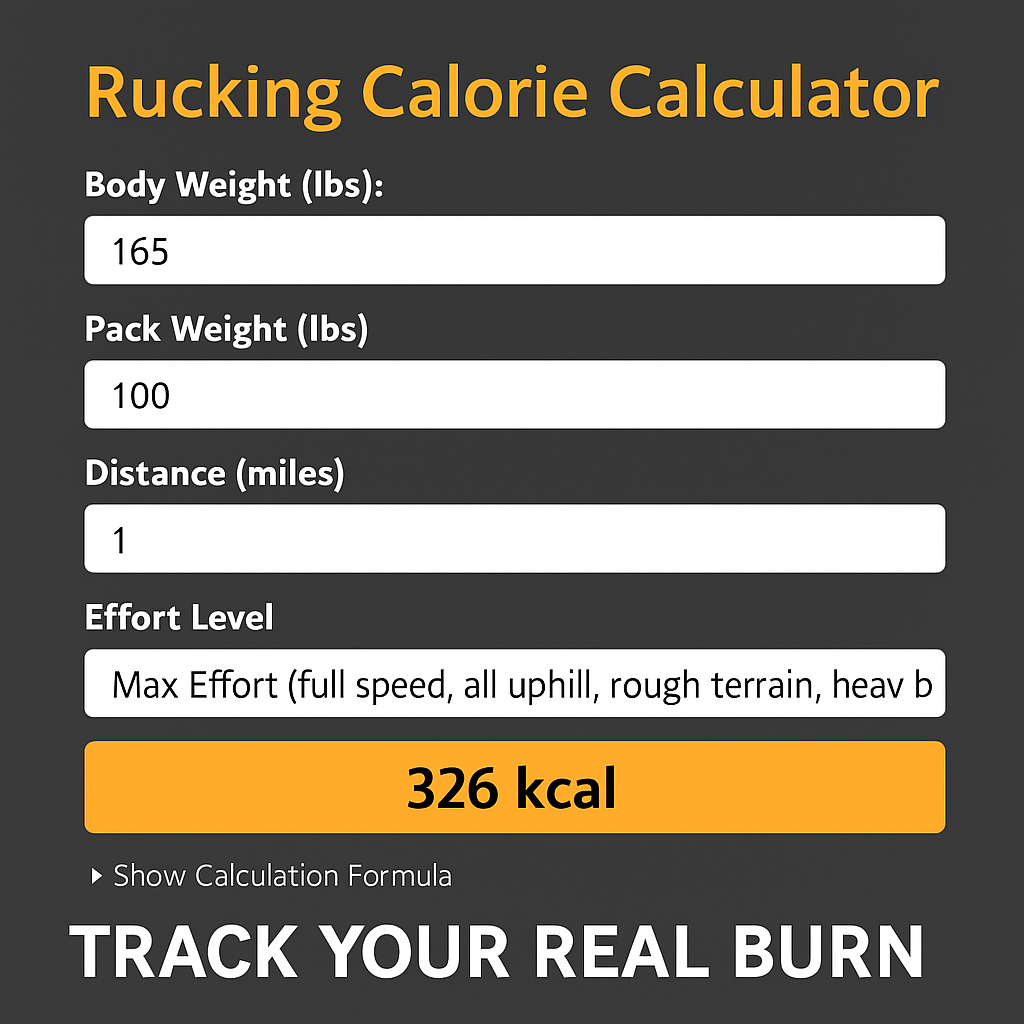
Want a practical estimate of how many calories you burn running with added weight? Use the rucking calorie calculator below to model your session and adjust load or duration to match goals.

Closing, in plain terms
Running weight vest men’s needs are simple: low bounce, proper fit, progressive loading, and short, controlled sessions. I lost significant weight through rucking and weighted-vest work and still recommend vests as one of the most reliable tools to maintain a lower body weight and burn fat consistently when used correctly. Start conservatively, choose a vest that locks to your torso, and track form over ego—your knees will thank you.