What is a sensory vest?
A sensory vest is typically used to provide calming, grounding input through steady pressure or light weight. Many people with sensory processing differences, ADHD, or high-stress jobs find that a small, well-fitted weighted vest can improve body awareness and focus. While there are purpose-built therapy vests, a comfortable fitness weighted vest set up with very light loads can serve a similar role when used appropriately.
This is not medical advice; if you have clinical needs, consult your provider. From a training perspective, think of a sensory vest as a tool to deliver gentle, consistent proprioceptive input—not a workout.
Weighted vests for sensory regulation
For calming, the goal is steady, non-restrictive pressure and a light downward cue, not fatigue. Most adults do well starting with 5% of body weight or less, and rarely more than 10%. If you’re 180 lb, that’s 5–10 lb total. Prioritize a vest with soft edges, breathable fabric, and snug but adjustable straps so the weight doesn’t shift or bounce.
Safe guidelines I use with clients
- Load: 5% body weight to start; cap at 10% unless advised otherwise.
- Timing: 10–20 minutes on, then remove for 20–30 minutes. Cycle as needed.
- Activities: Seated work blocks, light household tasks, mindful walking. Avoid vigorous training when using it for sensory input.
- Fit check: It should feel secure and calming—no shoulder pinching, rib pressure, or heat build-up.
- Stop if: You notice discomfort, overheating, agitation, or posture changes.
Choosing a comfortable vest and small plates
Comfort and adjustability are everything for sensory use. Look for wide shoulder straps, quick adjustments, and the ability to micro-load plates so you can fine-tune by a pound or two. Two solid options I like for comfort and small, even loading:
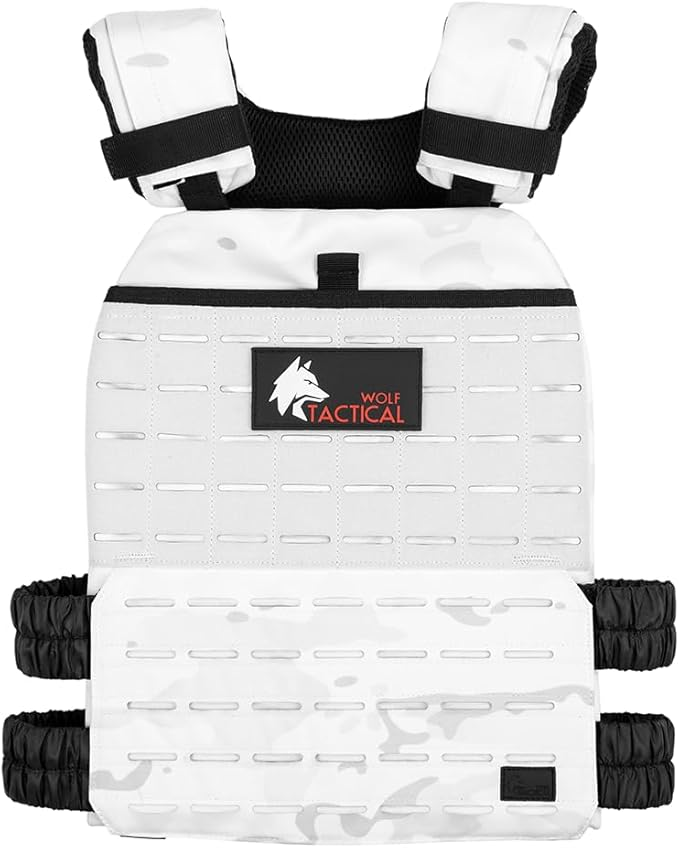
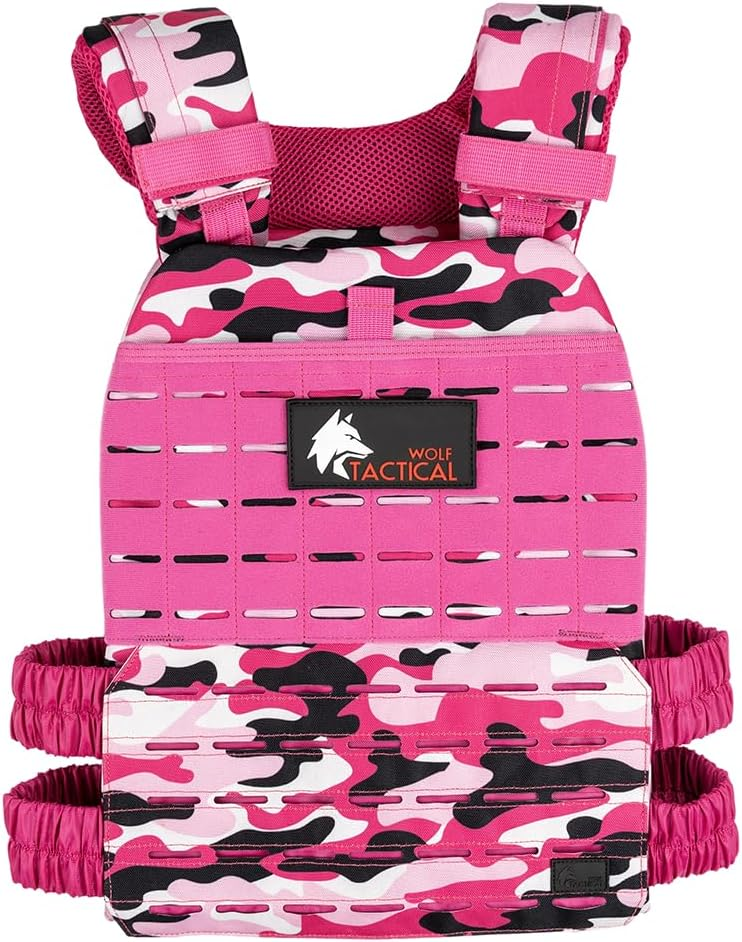
The Wolf Tactical Adjustable Weighted Vest rides close to the torso, breathes well, and takes standard weight plates so you can keep loads gentle.

Pair it with WOLF TACTICAL Weight Vest Plates (pairs) so you can scale up or down in small, predictable increments without bulk.

Simple routines for calming and focus
Desk focus block (15–20 minutes)
- Load: 5% body weight or less.
- Set a timer for 15–20 minutes of focused work.
- Remove the vest, stand, and do 2–3 minutes of mobility before the next block.
Mindful walk (10–20 minutes)
- Load: 5–8% body weight.
- Walk at conversational pace, breathe nasally, and keep an upright posture.
- Finish with a few gentle thoracic rotations and shoulder rolls.
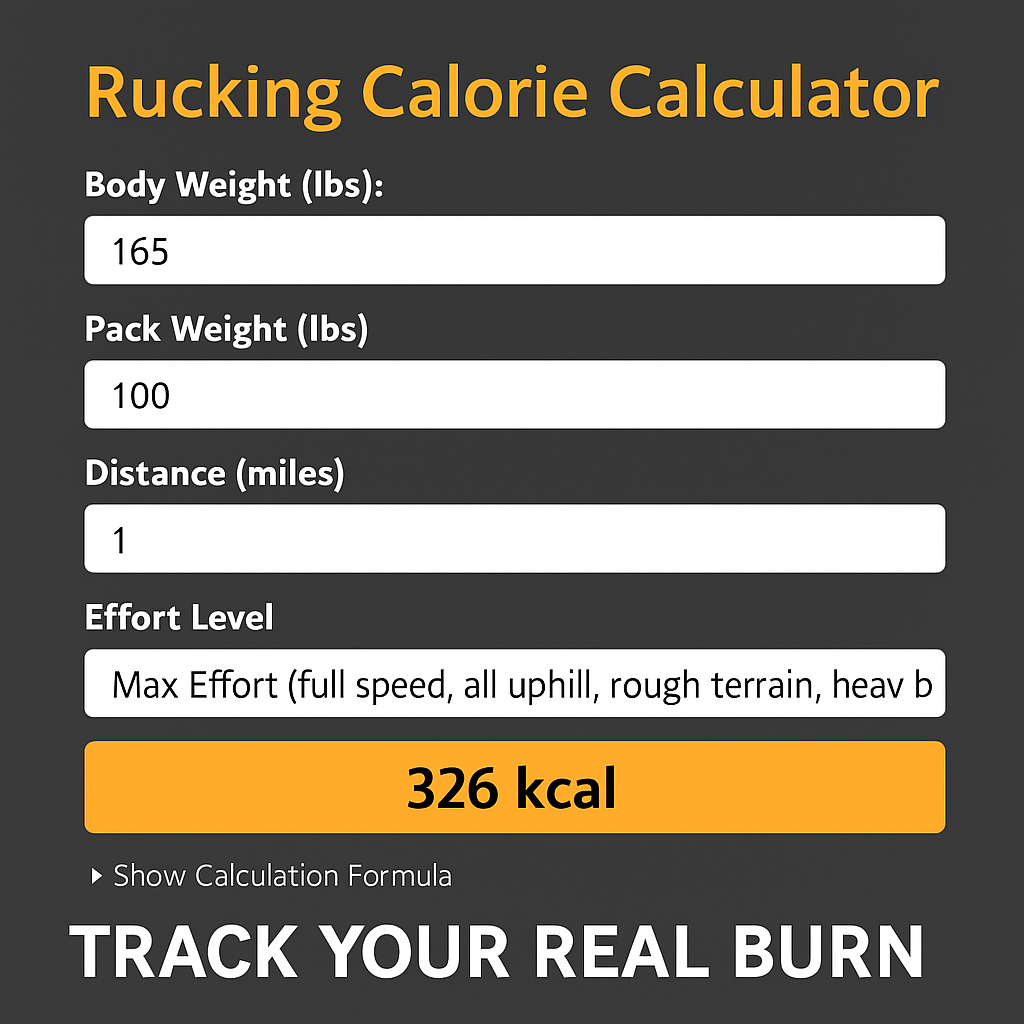
If you enjoy short, calming walks with your sensory vest, you may want to keep tabs on energy balance. Use this calculator to estimate how many calories those easy walks contribute across the week.

Comfort, care, and troubleshooting
- Hot spots: Add a thin, moisture-wicking layer under the vest; adjust shoulder tension evenly.
- Heat: Shorten sessions, reduce load, or choose a more breathable vest.
- Noise/shift: Ensure plates are centered and secured; slight compression helps keep them quiet.
- Care: Air-dry after use and wipe salt/sweat to preserve fabric and hook-and-loop strength.
Bottom line: a sensory vest set up with a light, stable load can deliver calming input that supports focus and day-to-day steadiness. Keep loads conservative, sessions short, and fit dialed in—you’re aiming for grounded, not gassed.