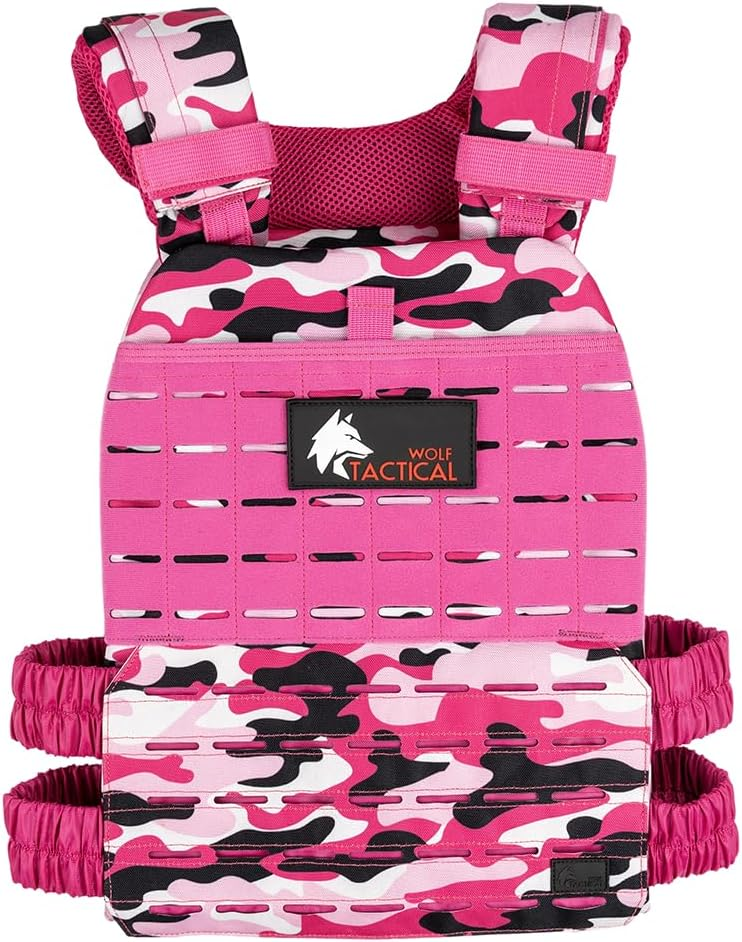
What is a sensory weighted vest?
A sensory weighted vest is a specially designed garment that adds distributed, low-profile weight to the torso to provide deep pressure and proprioceptive input. Occupational therapists, parents, and trainers use them to help people—especially children with sensory processing differences—improve body awareness, focus, and calming. Sensory vests differ from heavy tactical vests because they prioritize even pressure and comfort over maximum load.
Core benefits
- Proprioceptive feedback that can reduce fidgeting and improve attention.
- Consistent deep pressure stimulation for calming during transitions or tasks.
- Low-impact way to add sensory input without restricting motion.
Choosing the right weight and fit
Correct weight and fit are the two most important variables. A sensory vest should feel snug but not constrictive. For general guidance, use a conservative percentage of body weight: 1%–5% for children and up to 10% for adults, tuned to comfort and response. Always start light and add weight only if the individual demonstrates positive changes (reduced anxiety, better sitting tolerance, improved task completion) and no negative effects.
Fit considerations:
- Adjustable straps allow customization across growth or clothing layers.
- Evenly distributed weights minimize pressure points.
- Breathable materials reduce overheating during activity.
Safety and guidelines for use
Use sensory vests under the supervision of a clinician when possible. Clear rules help—limited wearing time (15–30 minutes to start), ongoing observation, and removing the vest immediately if the person reports discomfort, shortness of breath, or pain. Avoid adding excessive load or using a vest intended for strength training on small children.
Practical session plan
- Introduce for 5–10 minutes while performing a calm seated task.
- Observe posture, breathing, and task engagement.
- Gradually increase wear time across sessions, with caregiver/therapist feedback.
Products I recommend for sensory work
For sensory-focused use you want lightweight, adjustable, and comfortable options. Two options I often recommend for parents and therapists are:
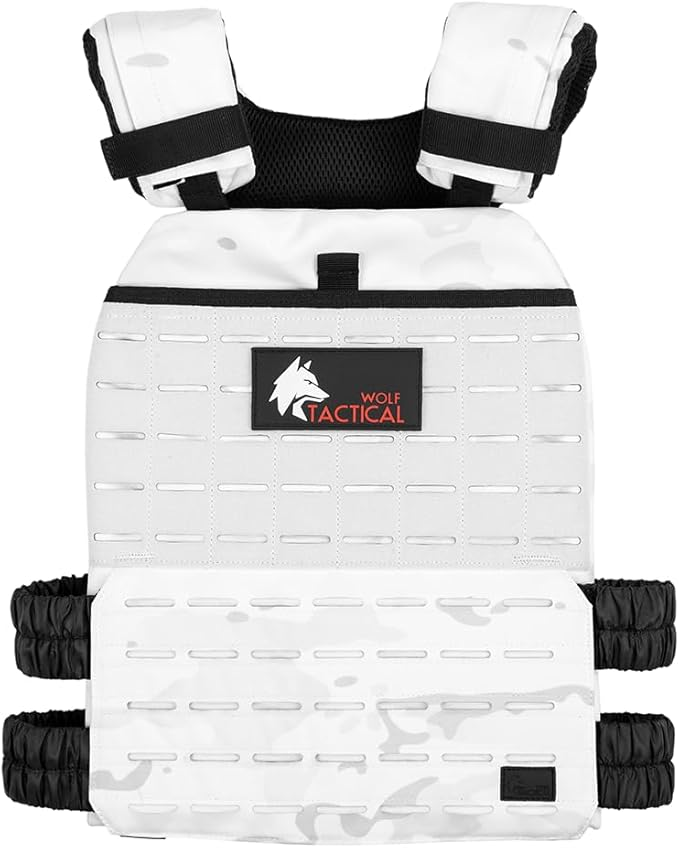
WOLF TACTICAL Simple Weighted Vest (Men/Women) is a good all-around option when you need even weight distribution without a tactical look. It’s adjustable and comfortable for short, therapeutic sessions.

For very light, child-friendly options consider the BAGAIL Adjustable Weighted Vest (4–10 lb, pink), which is inexpensive and easy to fit for kids starting sensory work.

Tracking impact and additional tools
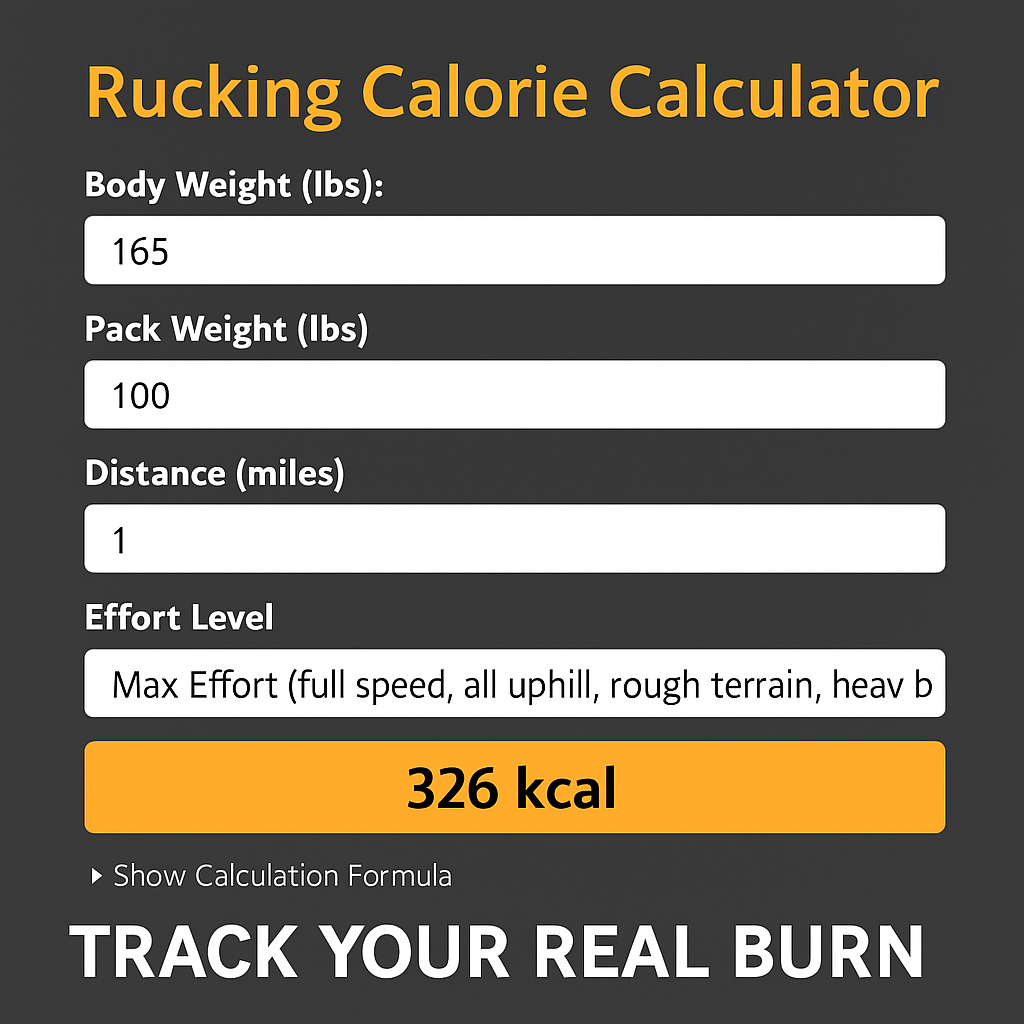
Though sensory vests are not primarily used for calorie burn, if you’re combining light activity (walking, active play) with a vest and want to estimate energy expenditure or the effect on weight-management sessions, try the rucking calorie calculator below to get an objective estimate. Use it as a rough guide and prioritize comfort and functional outcomes for sensory work.

Final notes from a trainer
I’m Preston Shamblen, and as someone who rebuilt health through consistent, thoughtful training, I emphasize conservative progress and clinical oversight for sensory vests. I lost 90 lbs through rucking, weighted-vest training, and disciplined nutrition, and I still recommend weighted vests as a reliable tool to maintain lower body weight when they’re used safely. For sensory users the goal is function first: better focus, calmer states, and safer motion.
Quick checklist before use
- Confirm fit: snug but comfortable.
- Start light and short; get feedback.
- Use under guidance for children or clinical needs.