Why choose a small weighted vest?
A small weighted vest is the practical first step for anyone who wants to add load to walking, hiking, or rucking without committing to a full rucksack. It sits close to the torso, reduces swing, and keeps the center of mass stable so you can maintain posture and avoid shoulder strain. Use it for short rucks, interval walks, or bodyweight workouts.
Key benefits
- Better posture and balance compared with a loose backpack
- Lower risk of hot spots and chafing if it fits properly
- Easy to add to daily walks for consistent calorie burn
Fit, sizing, and common fit mistakes
Fit matters more than brand when you’re choosing a small weighted vest. Look for a vest that sits high on the chest and wraps around the ribcage without pinching the shoulders. Common mistakes include buying a vest that’s too large (it shifts and causes friction) or too small (it rides up and restricts breathing).
Checklist for a good fit
- Snug around the ribs—no large gaps between vest and torso
- Adjustable straps that lock down so plates don’t move
- Padding at the collarbone and along the shoulders to prevent pressure points
- Breathable fabric if you plan to walk or ruck in hot weather
How to start training with a small weighted vest
Begin with conservative loads. On your first few sessions, add 5–10% of your bodyweight or start with 5–10 pounds if you’re new to load. Keep walks short (20–30 minutes) and monitor for any discomfort. Increase load or duration only when your posture remains solid and you can breathe comfortably.
Sample 6-week progression
- Weeks 1–2: 5–10 lb, 2–3 sessions per week, 20–30 minutes
- Weeks 3–4: Add 5 lb or 10–15 minutes per session
- Weeks 5–6: 15–25 lb depending on comfort, add one longer walk (45–60 minutes)
Practical tips for comfort and durability
Wear a thin moisture-wicking layer under the vest to reduce chafing. Use anti-chafe balm on common friction points if you plan longer sessions. Inspect seams and weight pockets regularly—cheap stitching is what fails first, not the plates.
Recommended small weighted vest options
For comfort-focused training, I recommend starting with a simple, adjustable vest built for rucking and walking. Two options I often point to:
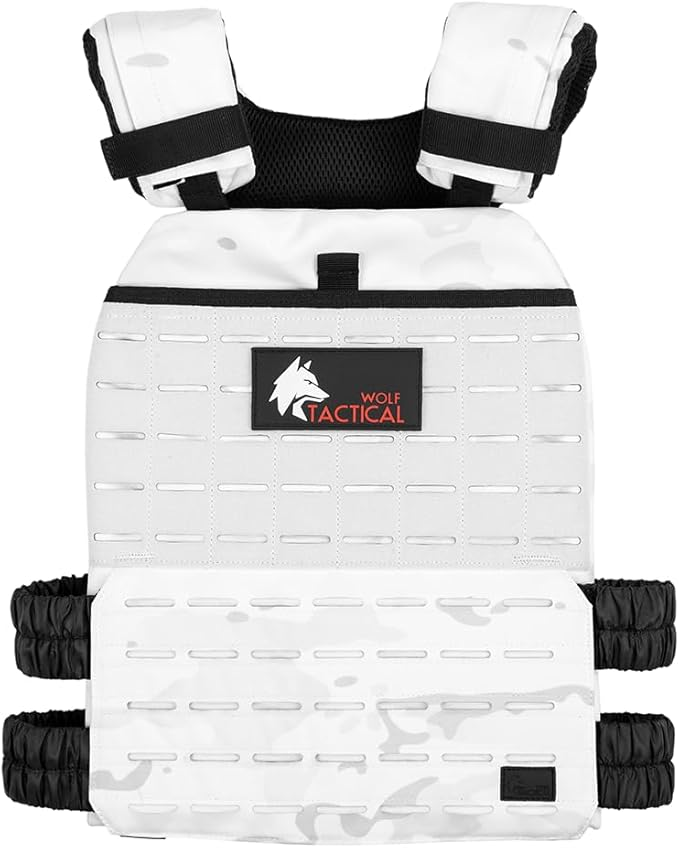
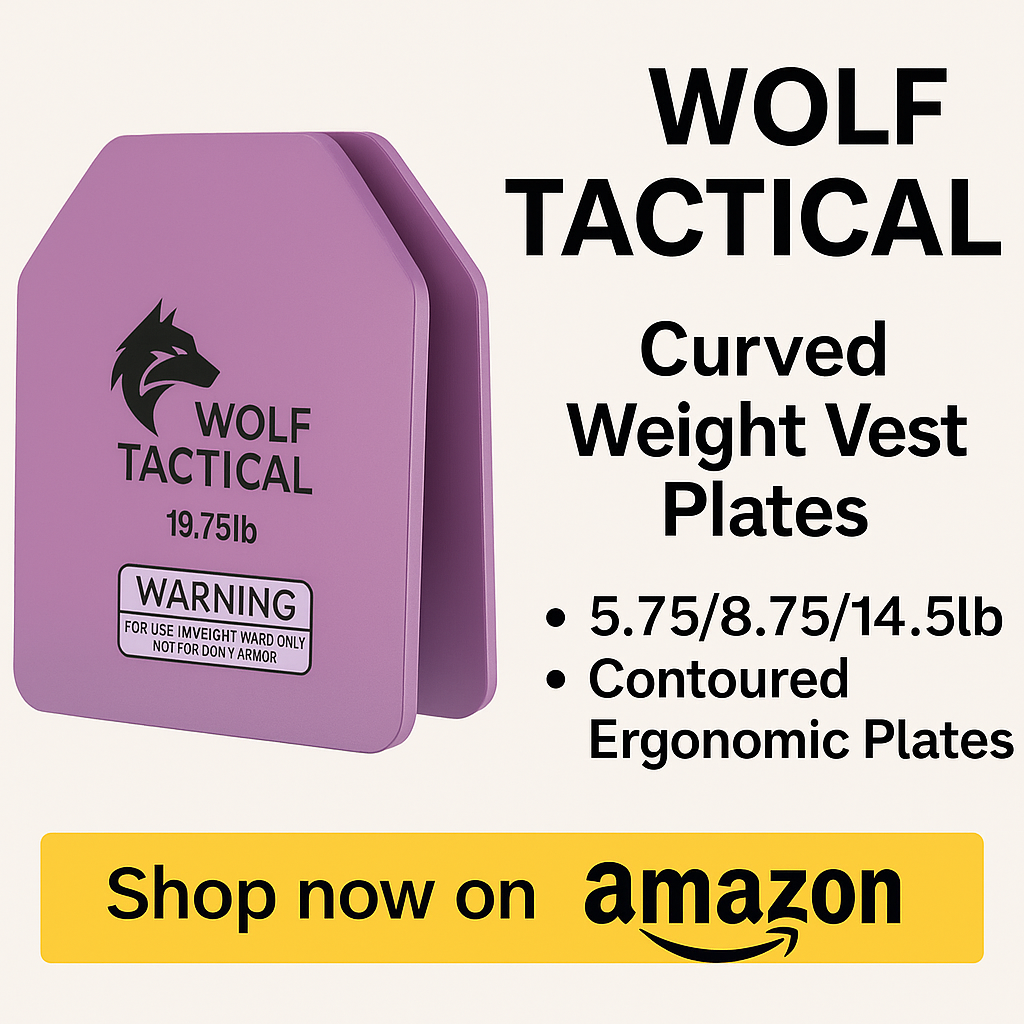
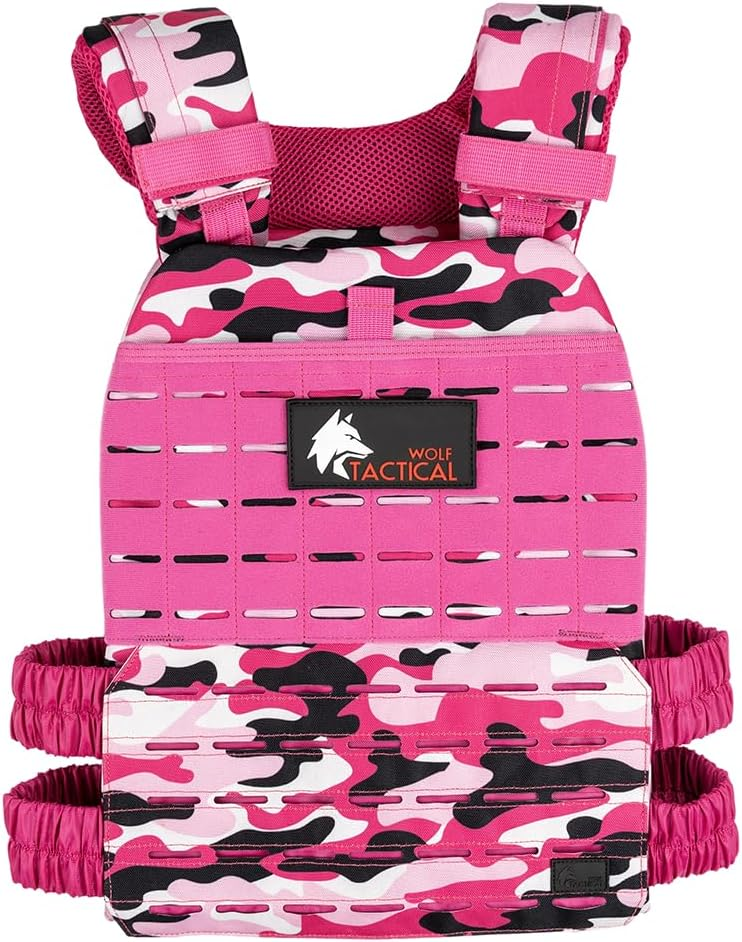
WOLF TACTICAL Simple Weighted Vest (Men/Women) is lightweight, adjustable, and comfortable for daily walks.

If you want a more rugged training option that still fits close to the body, consider the 5.11 Tactical Unisex TacTec Trainer Weight Vest for heavier training and calisthenics.

Estimate calorie impact
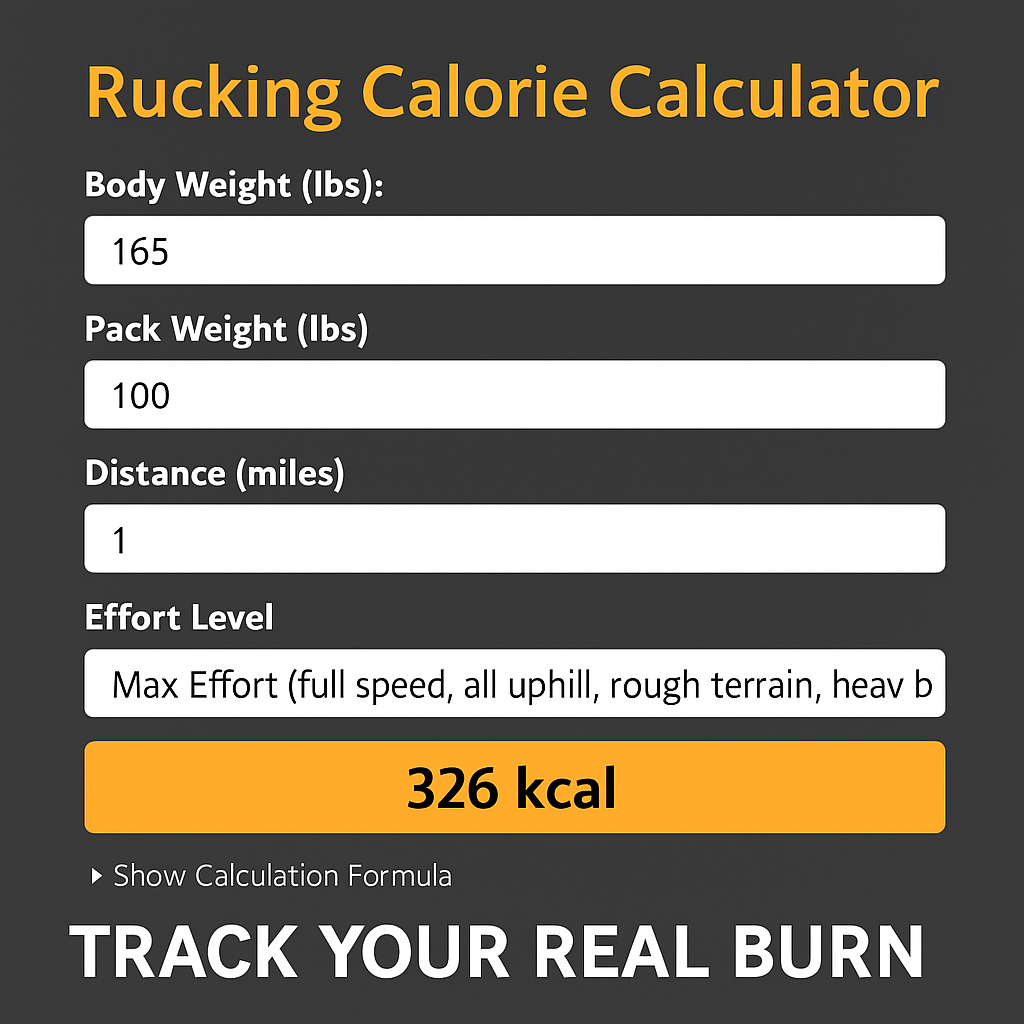
Want to know how many extra calories a small weighted vest will add to your walk? Use this simple calculator to estimate that change based on your weight, pace, and added load.
Open the Rucking Calorie Calculator

Final notes
Small weighted vests are a low-friction way to increase daily calorie burn and improve posture. Start light, prioritize fit, and progress slowly. If a vest rubs, re-evaluate fit before adding weight—consistency beats intensity when you’re building a sustainable habit outdoors.