The 5.11 TacTec Trainer Weight Vest is popular because it fits securely, breathes well, and stays put when you’re walking, rucking, running, or doing calisthenics. If you want a vest you can adjust quickly and use year-round for conditioning, this is a strong choice. Below I’ll cover fit, plate options, and a simple progression to build strength and endurance safely.
Fit and comfort: dialing in the TacTec
The TacTec is designed to distribute weight across the torso without hot spots. To get the most out of it, check the following:
- Plate size: Most users run 8–14 lb per plate (front and back) for 16–28 lb total. The vest accepts standard SAPI-style vest plates.
- Ride height: Keep the front plate covering the sternum (not stomach). The back plate should sit between the shoulder blades—not low on the lumbar.
- Strap tension: Snug enough that the vest doesn’t bounce, loose enough to expand your ribcage for full breaths.
- Breathability: The TacTec’s mesh and cutouts help in heat. Wear a moisture-wicking base layer to keep chafe down.
Recommended plates and compatibility
The TacTec is a shell; you’ll need plates. Curved, vest-specific plates sit better against the chest and reduce bounce during faster sessions.
Compatible plate option:
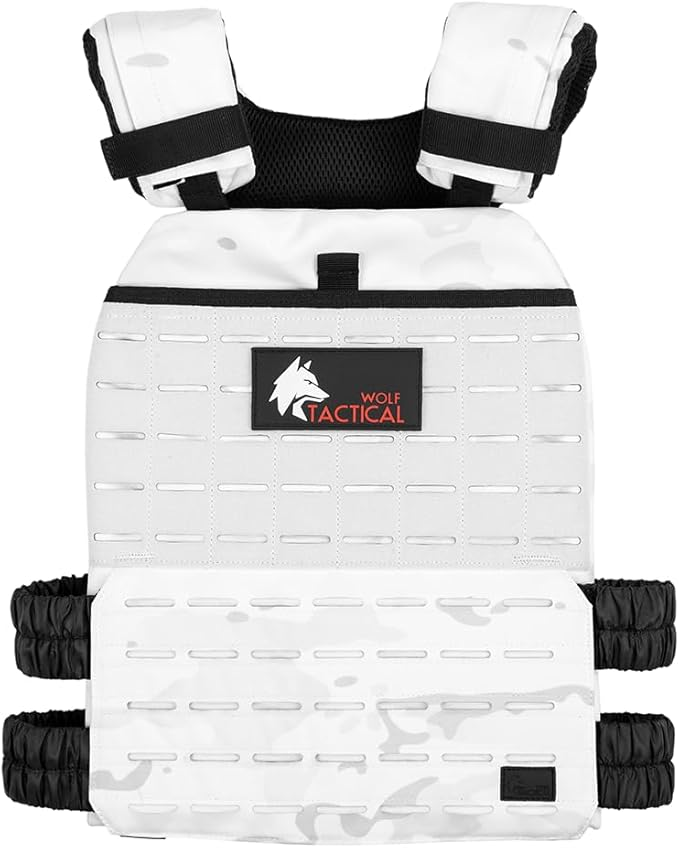
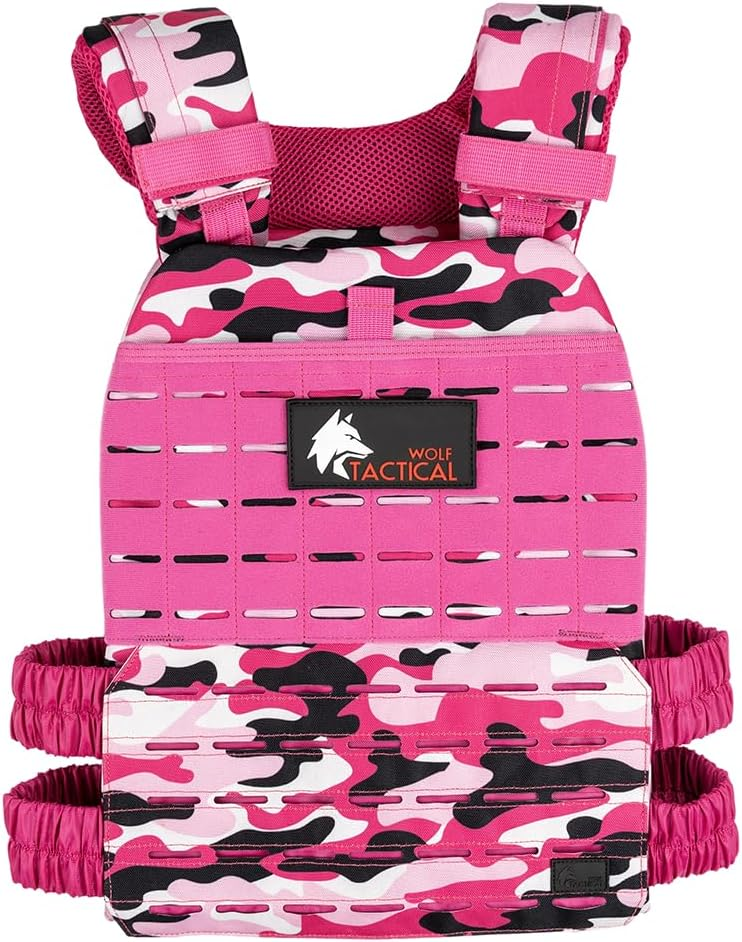
WOLF TACTICAL Weight Vest Plates (pairs) – curved, available in common training weights to fine-tune your load.

Where to buy the vest
5.11 Tactical Unisex TacTec Trainer Weight Vest – proven fit, breathable, and adjustable for steady progression.

Programming the TacTec: simple, reliable progress
Beginner progression (2–4 weeks)
- 2–3 sessions per week.
- Start with 6–10% of bodyweight total load (front + back), 20–30 minutes of brisk walking.
- Add time first (5 minutes per week), then add weight in small jumps (2–4 lb).
Intermediate options
- Ruck intervals: 5 minutes brisk, 2 minutes easy, repeat for 40–60 minutes.
- Stairs or hills: 10–20 minute steady climb; focus on posture and nasal breathing.
- Calisthenics circuits: 3–5 rounds of 8 push-ups, 6 step-ups/leg, 8 rows (rings/band), 200–300 m walk between rounds.
Keep a tall posture, short stride, and quiet foot strike. If heart rate spikes, back off pace before adding weight. Consistency beats hero days.
Safety and recovery
- Warm-up: 5 minutes easy walk + shoulder openers and ankle rocks.
- Skin care: Moisture-wicking shirt; adjust straps to prevent rubbing on collarbones.
- Recovery: Walk 3–5 minutes without the vest post-session; light calf and hip flexor mobility.
- Progression rule: If sleep or joints feel off, maintain the same load for another week.
Plan your effort with a calorie estimate
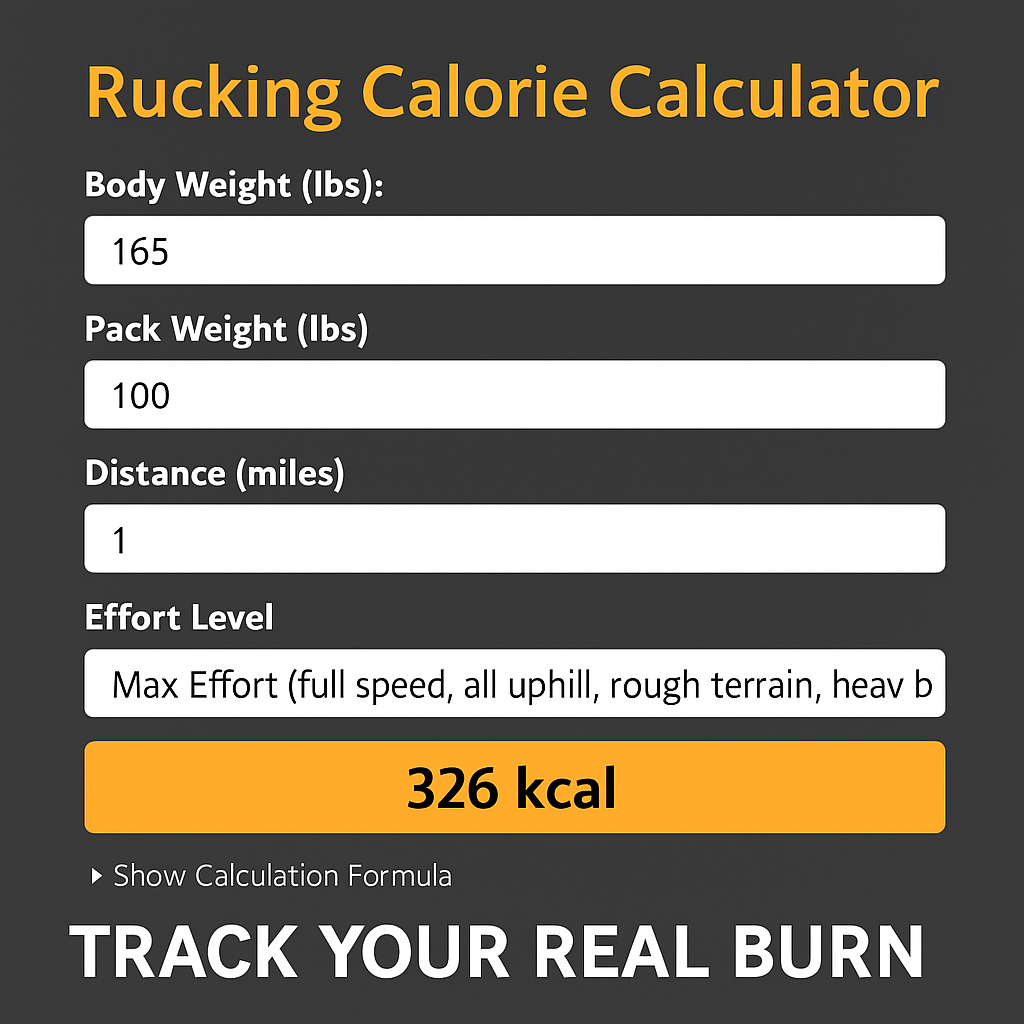
Curious how many calories your weighted walk or ruck might burn with the TacTec? Use this calculator to gauge sessions and weekly targets.

Troubleshooting common issues
- Bounce: Tighten the cummerbund slightly and lower weight by 2–4 lb; confirm plates are seated properly.
- Neck/shoulder tension: Raise the vest 1–2 cm and relax your grip/arms while walking.
- Breathing feels restricted: Loosen side straps one notch and slow pace for 2–3 minutes to reset.
The TacTec Trainer Weight Vest rewards steady practice. Start lighter than you think, progress methodically, and treat comfort as the performance multiplier it is.