Why a tactical training vest matters for rucking and conditioning
A tactical training vest changes how you move, how you carry load, and how long you can sustain an effort. In outdoor training I prioritize vests that sit close to the torso, distribute weight evenly, and allow breathing and shoulder mobility. A properly fitted tactical training vest transforms a walk into an efficient strength-endurance session without sacrificing comfort.
Key design features to prioritize
- Low-profile fit that stays stable during movement
- Adjustable straps for tight torso coupling and even load distribution
- Durable pockets or plate slots that keep weight centered
- Breathable materials and padding on contact points
Fit and sizing: the practical checklist
Start with these fit checks before you buy or load a tactical training vest. Tight enough to stop bouncing; loose enough to breathe deep; centered so the weight doesn’t pull you forward. Test with the usual load you plan to use for rucks or runs.
- Shoulder straps adjusted so weight sits on the torso, not the shoulders.
- Chest and waist straps cinched to eliminate sway but not restrict inhalation.
- Weight carried close to the spine—this minimizes energy cost and reduces joint strain.
Product recommendations for tactical training and rucking
For beginner-friendly comfort and durability I often recommend gear that balances padding and adjustability. Two solid choices:

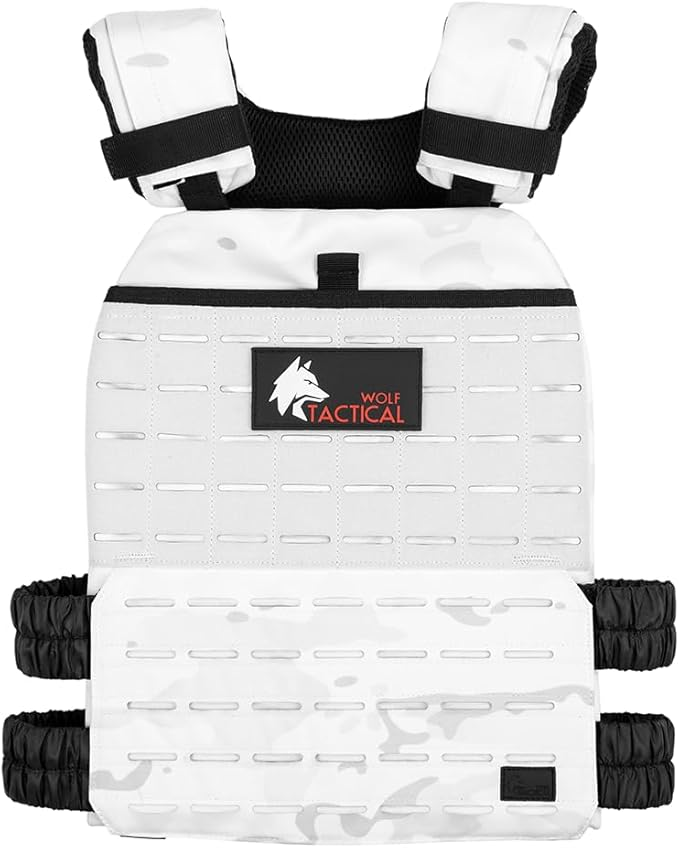
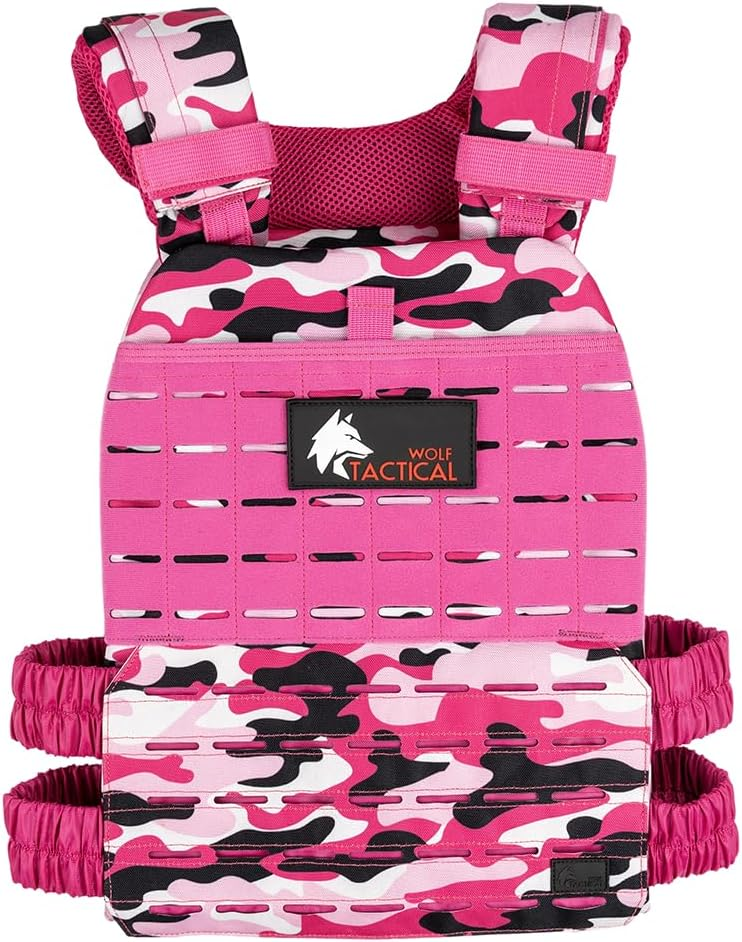
Inline: The Wolf Tactical Simple Weighted Vest is a good starter choice for people focused on comfort and steady calorie burn.

Inline: If you want something more performance-oriented, the 5.11 TacTec Trainer Weight Vest keeps load stable during aggressive drills and timed rucks.
Programming: how to use a tactical training vest safely
Start slow and progress volume before load. A simple progression model:
- Week 1–2: 20–30 minute walks, light vest load (5–10% bodyweight).
- Week 3–4: increase duration to 45–60 minutes or add hills.
- Weeks 5+: increase load gradually (no more than 10% bodyweight increments every 2–3 weeks) and add interval sessions or sandbag carries.
Focus on posture: chest open, neutral spine, and shorter stride if the vest feels heavy. If you experience persistent shoulder pain or breathing difficulty, reduce load and re-evaluate fit.
Estimate calories and track progress
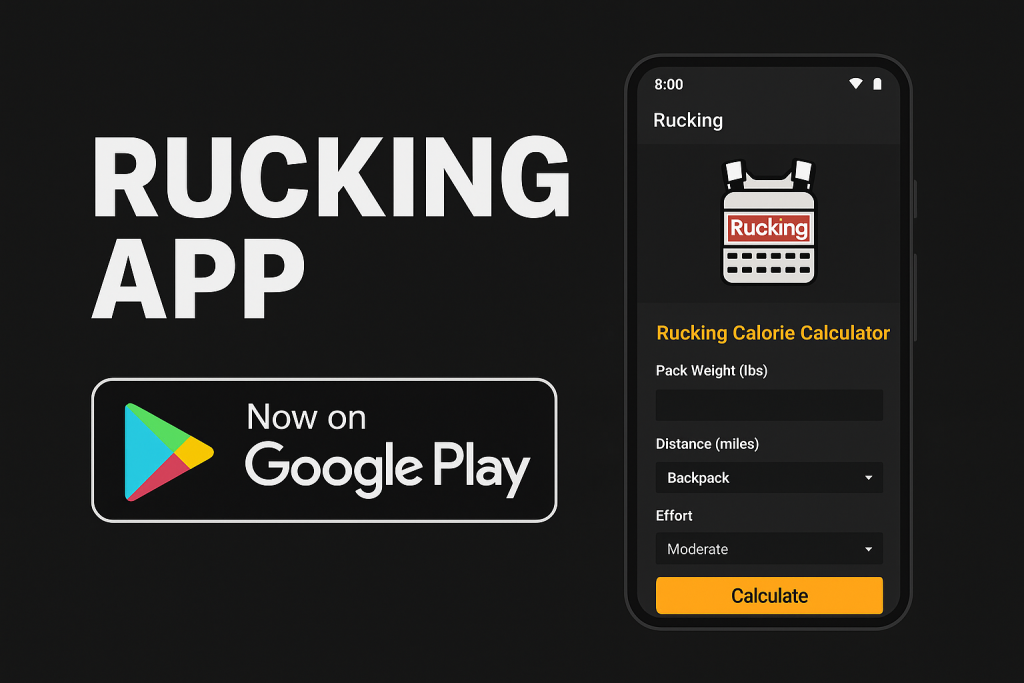
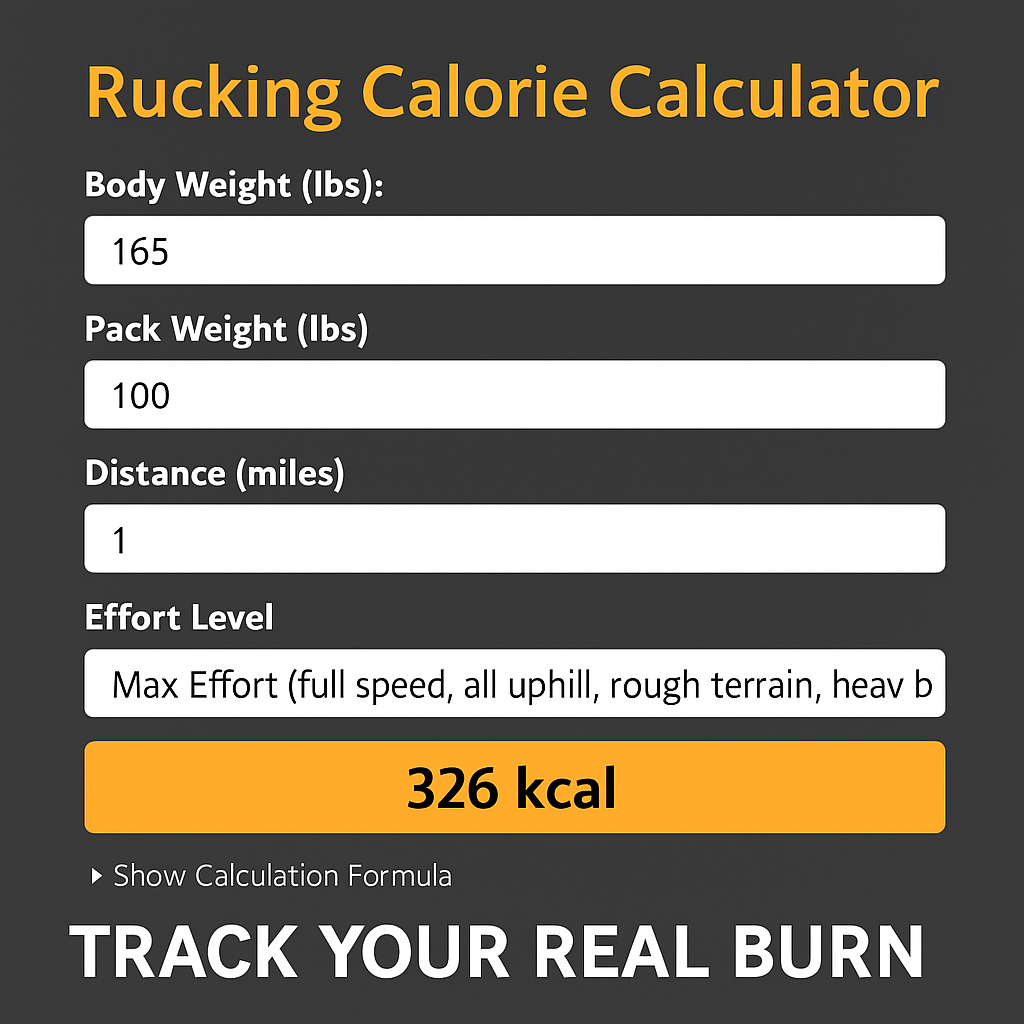
Use a targeted calculator to estimate how many calories you burn while rucking or training with a vest. The tool below is straightforward and tuned for weighted rucking.

Click the image to open the calculator and enter your weight, speed, distance, and vest load to get an accurate burn estimate. Use that number to set weekly calorie targets or adjust nutrition.
Final practical tips
Break in your vest with short sessions and adjust straps between sets. Hydration matters—if you’re carrying a rucksack or training long, use a hydration pack. For longer outings, I sometimes pair a vest with the CamelBak Motherlode 100oz (ideal when mixing cardio and load-carrying).
As someone who trains outdoors daily and has used many vests, I recommend prioritizing fit over looks. If you’re new or returning from a break, keep loads conservative and build consistency first—this is the fastest path to durable conditioning and steady fat loss.
Tags and next steps
Try the calculator above, test fit with light loads, and pick a vest that lets you breathe, move, and train multiple times per week.