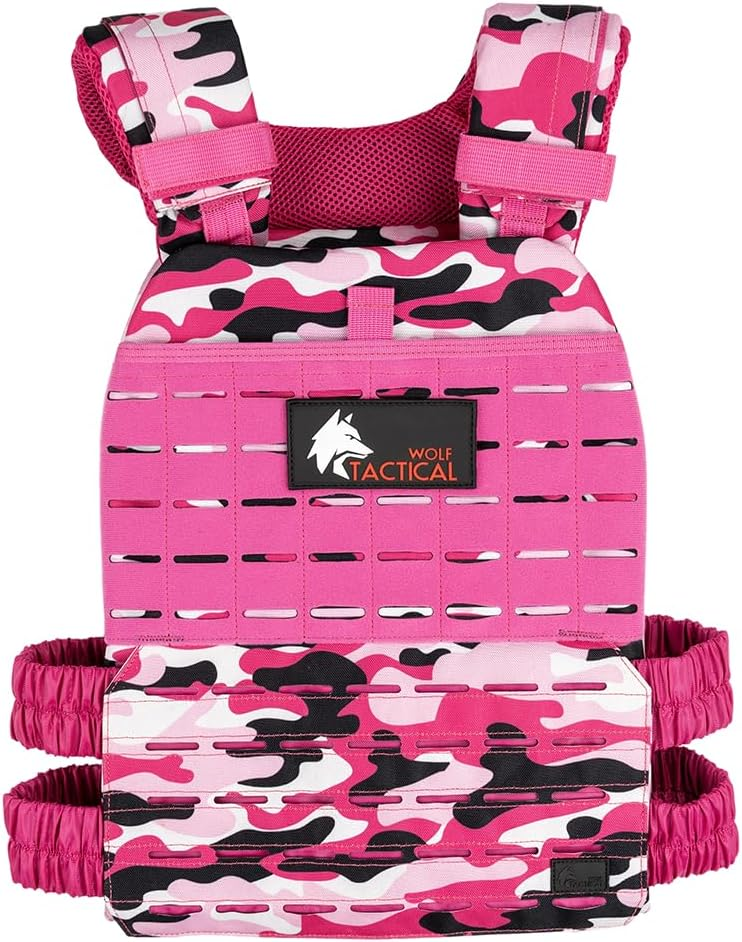
Why a tactical weight training vest works
As an ISSA-certified trainer who rebuilt my health through rucking and weighted-vest work, I use the term “tactical weight training vest” to mean a durable, adjustable plate or sand-style vest built for outdoor conditioning. A properly fitted tactical vest turns simple walking, hill work, and interval circuits into consistent calorie-burning, posture-correcting sessions that translate to real-world load carriage.

Key benefits
- Higher energy expenditure for the same walk or circuit.
- Improved posture and core demand from anterior load.
- Scalable: add plates or plates/sand to progress strength and endurance.
Fit, materials, and comfort: what to look for
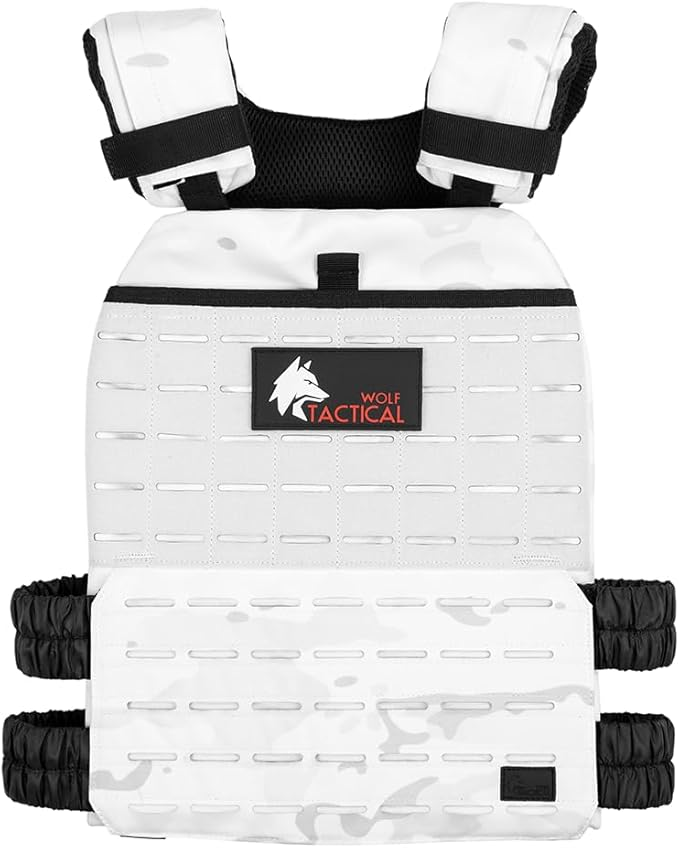
Fit matters more than fashion. Tactical vests should sit on your torso without riding up, allow full shoulder and hip mobility, and distribute load across the chest and back rather than compressing a single spot. For a beginner-friendly option that balances comfort and durability, I often recommend the Wolf Tactical Adjustable Weighted Vest because it fits close to the body and accepts small plate increments for progressive overload.

Durability and plate systems
If your training mixes heavy calisthenics and weighted carries, choose a plate-capable carrier like the 5.11 TacTec. It’s built for high-intensity drills and handles larger weight sums without shifting.

How to program a tactical weight training vest for rucking and fat loss
Start conservative: use 5–10% of bodyweight for your first 2–4 weeks to adapt to the added load. Progress by 5–10 lb every 1–3 weeks depending on how your walking cadence, recovery, and joint comfort track. Below are practical session templates I use outdoors.
- Base ruck: 45–90 minutes steady walk with light load (5–10% bodyweight). Build aerobic base and posture.
- Interval ruck: 10 x 2 minutes brisk with 1 minute easy (20–40 minutes total) using moderate load to raise heart rate safely.
- Conditioning circuit: 3 rounds of 10 push-ups, 15 air squats, 30-sec plank between 400m loaded farmer carry—good for strength endurance.
Safety and recovery
Warm up hips and shoulders, prioritize ankle-friendly footwear, and reduce load if you feel sharp joint pain. Recovery walks, foam rolling, and focusing on breathing and posture will keep you training consistently—consistency beats ego when your goal is fat loss or functional fitness.
Estimate calories quickly
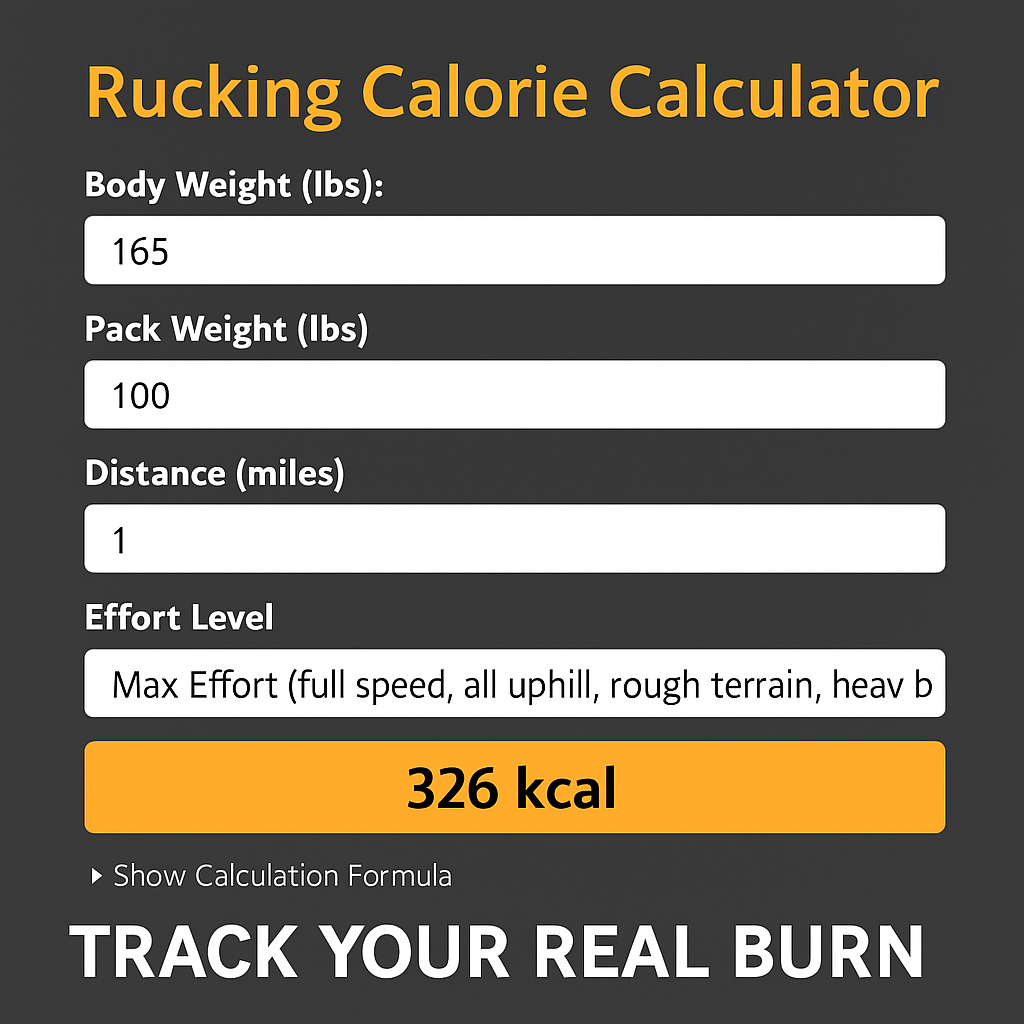
Want a fast calorie estimate for a given ruck or vest session? Use the rucking calorie calculator linked below—enter your bodyweight, load, pace, and duration to get a reliable burn estimate and plan progressive sessions.

One final tip: prioritize a vest that you can train with daily. If it’s comfortable enough for 30–60 minute walks, you’ll use it. Small, consistent sessions are the fastest route to sustainable results.