Why choose a tactical weighted workout vest
A tactical weighted workout vest delivers practical, stable loading for outdoor conditioning, rucking, and strength-based circuits. Unlike soft sandbags or imbalance plates, a well-built tactical vest keeps weight close to your center of mass so you can move, sprint, and perform bodyweight work without shifting load or chafing.
What a tactical vest should do
- Distribute weight evenly across the torso
- Allow quick load adjustments and plate removal
- Offer durable, breathable materials for long outdoor sessions
- Stay low-profile enough to not interfere with harnesses or backpacks
Fit and sizing: the single most important factor
Fit determines comfort and safety. A vest that rides up on runs or rubs under the arms will shorten sessions and increase injury risk. Look for snug but non-restrictive shoulder straps, a torso length that sits across your sternum and upper abdomen, and adjustable cummerbunds or side straps. Try movement drills—walking, incline walking, bodyweight squats, and push-ups—when testing fit.
Programming with a tactical weighted workout vest
Tactical vests are versatile: they can intensify aerobic rucks, add resistance to calisthenics, or be used for interval circuits. Below is a practical progression for new users:
- Weeks 1–2: 10–20 minutes of low-intensity walking with 5–10% of bodyweight.
- Weeks 3–4: 20–40 minutes mixed walk and brisk segments, increase vest to 10–15% bodyweight if comfortable.
- Weeks 5–8: Add simple strength circuits (push-ups, rows, goblet squats) with 15–25% bodyweight in vest, 2–3 sessions per week.
Prioritize good movement—if your posture collapses under load, reduce weight and build technique first. Tactical vests excel when you need stability for sprint or carry work compared with soft vests or backpacks.
Safety, skin care, and maintenance
- Work up slowly—add weight in 5–10 lb increments.
- Keep sessions shorter when adding load; recovery matters.
- Use padded underlayers or thin shirts to prevent chafing in hot weather.
- Rinse and air-dry your vest after wet or sweat-heavy rucks; check seams and plate pockets regularly.
Recommended tactical vest options
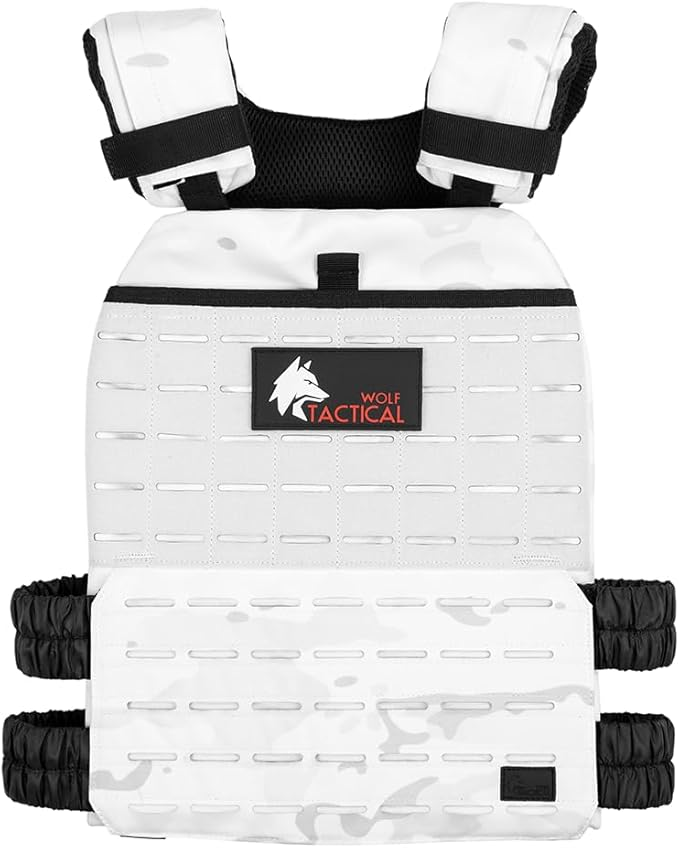
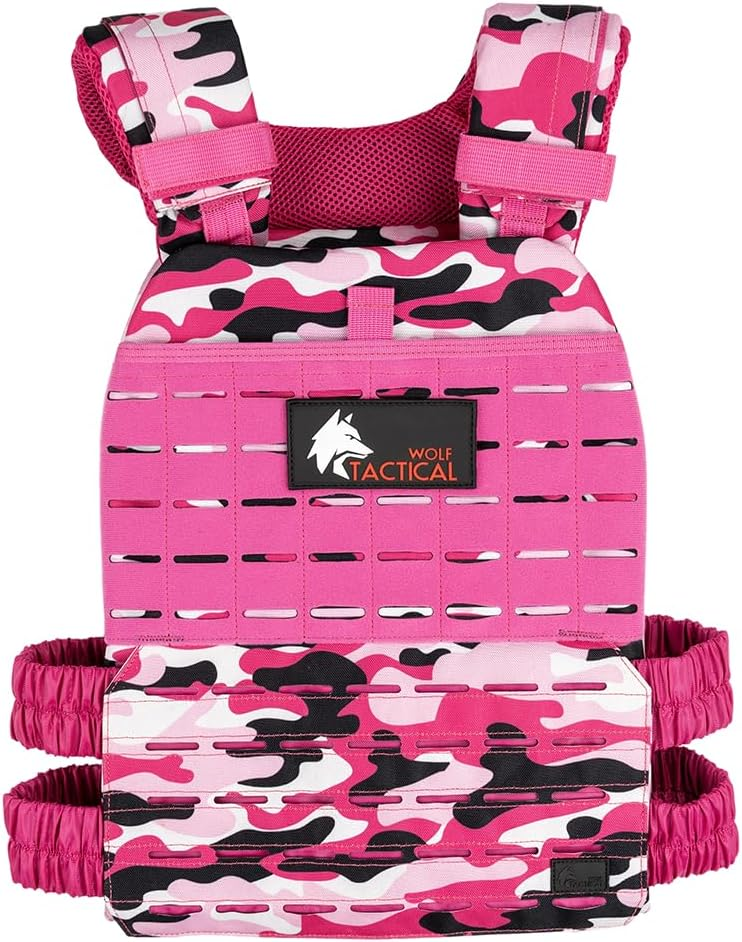
For a balance of cost, durability, and comfort, consider these vetted options:

Also consider the 5.11 Tactical Unisex TacTec Trainer Weight Vest for a more compression-oriented, training-specific fit:

How to estimate calorie burn with a tactical vest
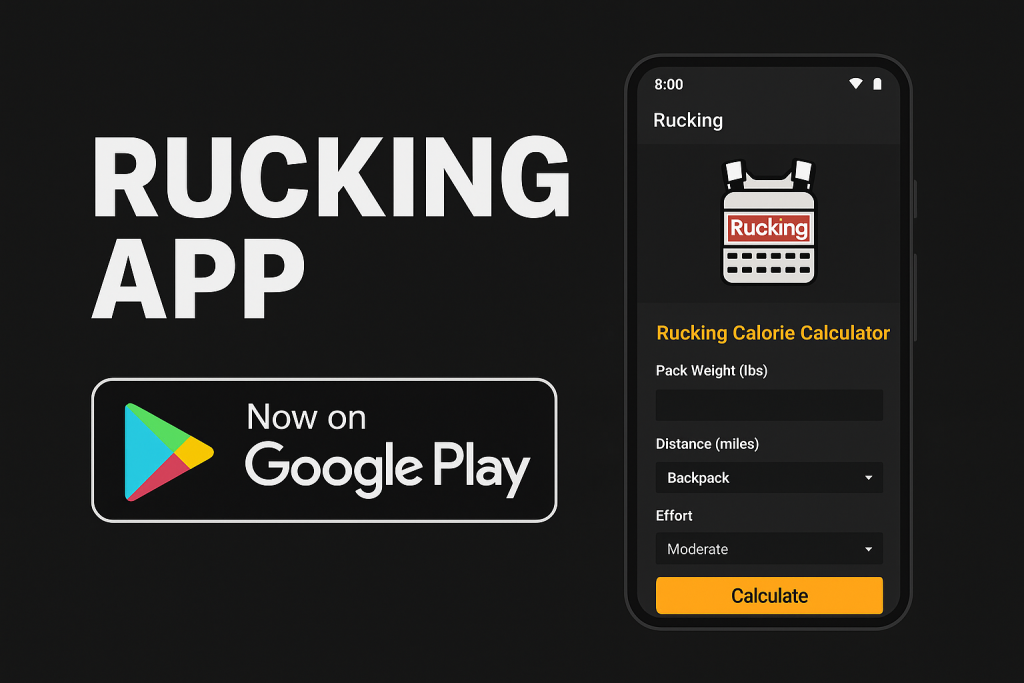
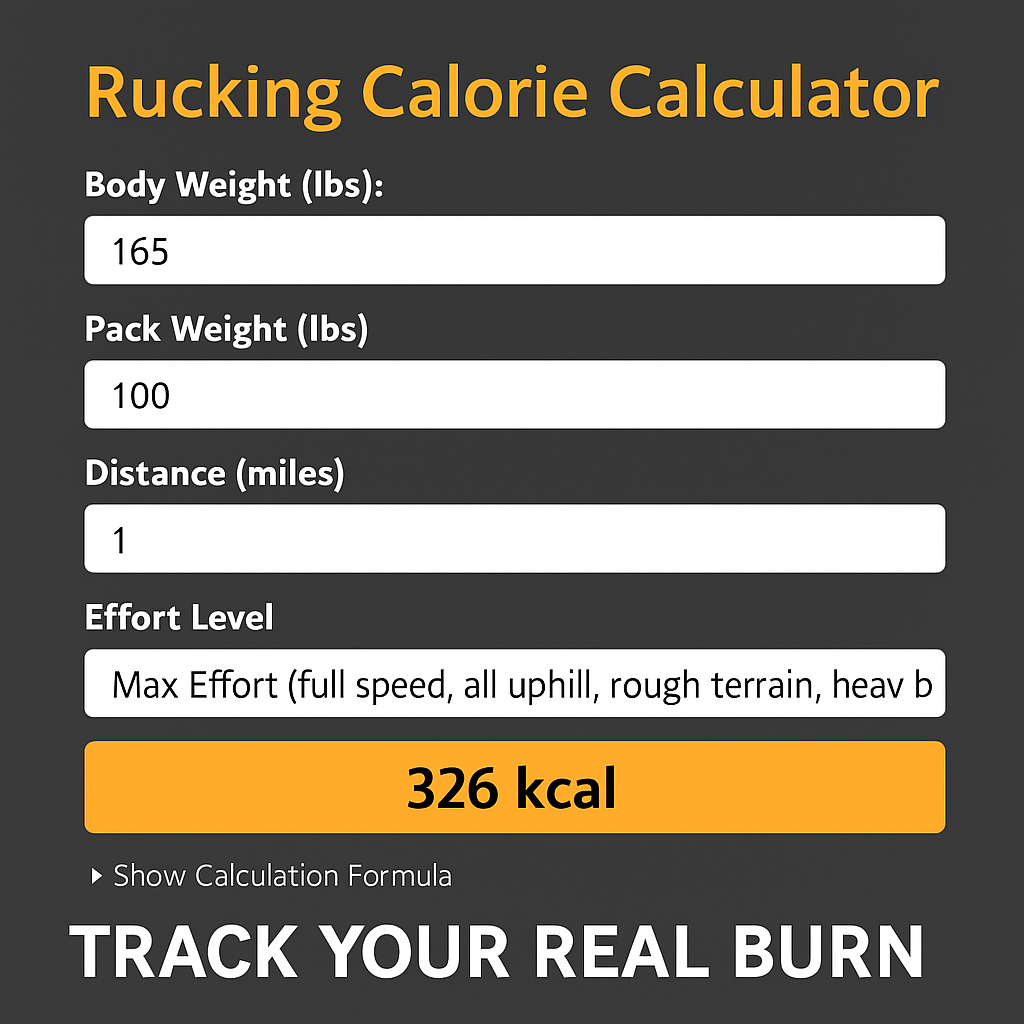
Calories depend on load, pace, terrain, and individual physiology. Use the Rucking Calorie Calculator to get a real estimate for your sessions. Click the image below to try it and dial in your training intensity.

Final practical tips
- Start light and prioritize movement quality—most gains come from consistency, not max load.
- Rotate training days: one heavy-load strength or ruck day, one moderate aerobic ruck, one active recovery.
- Invest in a vest that lets you fine-tune plates or sand to your current goals.
Used correctly, a tactical weighted workout vest is a simple and durable tool to build outdoor fitness while keeping your training straightforward and repeatable.