Quick take: the Thenx weight vest for calisthenics and rucking
The Thenx weight vest is aimed at bodyweight athletes who want a compact, low-profile option for adding load to pull-ups, dips, push-ups, and short weighted runs. In practice it works well for higher-intensity calisthenics sets but you need to be intentional about fit, load distribution, and progression if you plan to use it for longer rucks or hiking.
Who should consider a Thenx weight vest?
If your training is primarily calisthenics—short sets, explosive work, circuits—the Thenx vest is a solid choice. It maintains mobility and stays out of the way during gymnastic-style movements. If you want to convert to long-distance rucking or heavy load-carrying, consider a vest or plate system built specifically for long walks.
Fit, comfort, and load progression
A vest that rides high and compresses your breathing will kill workout quality. Look for a Thenx option that has adjustable straps and even front/back loading. Start light: add 5% of bodyweight for the first two weeks of adaptation, then increase 2.5–5% every 1–2 weeks depending on soreness and movement quality.
- Beginner: 5–10% bodyweight for short sets and walking.
- Intermediate: 10–20% for strength-focused calisthenics and tempo work.
- Advanced: 20%+ for weighted pull-up progressions and short speed runs—use caution for long rucks.
Programming ideas with a Thenx weight vest
Use the vest for: supersetting push/pull bodyweight moves, timed AMRAP circuits, weighted pistol squat progressions, and short hill sprints. For longer walks, switch to a plate carrier or ruck that distributes weight lower on your torso.
Estimated calorie burn and planning
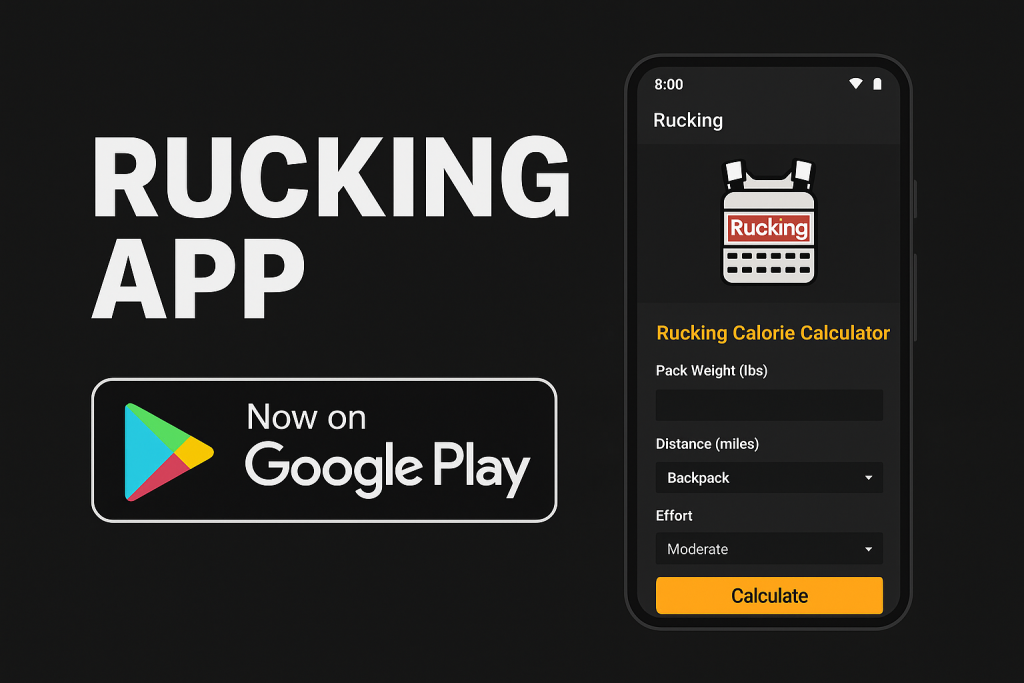
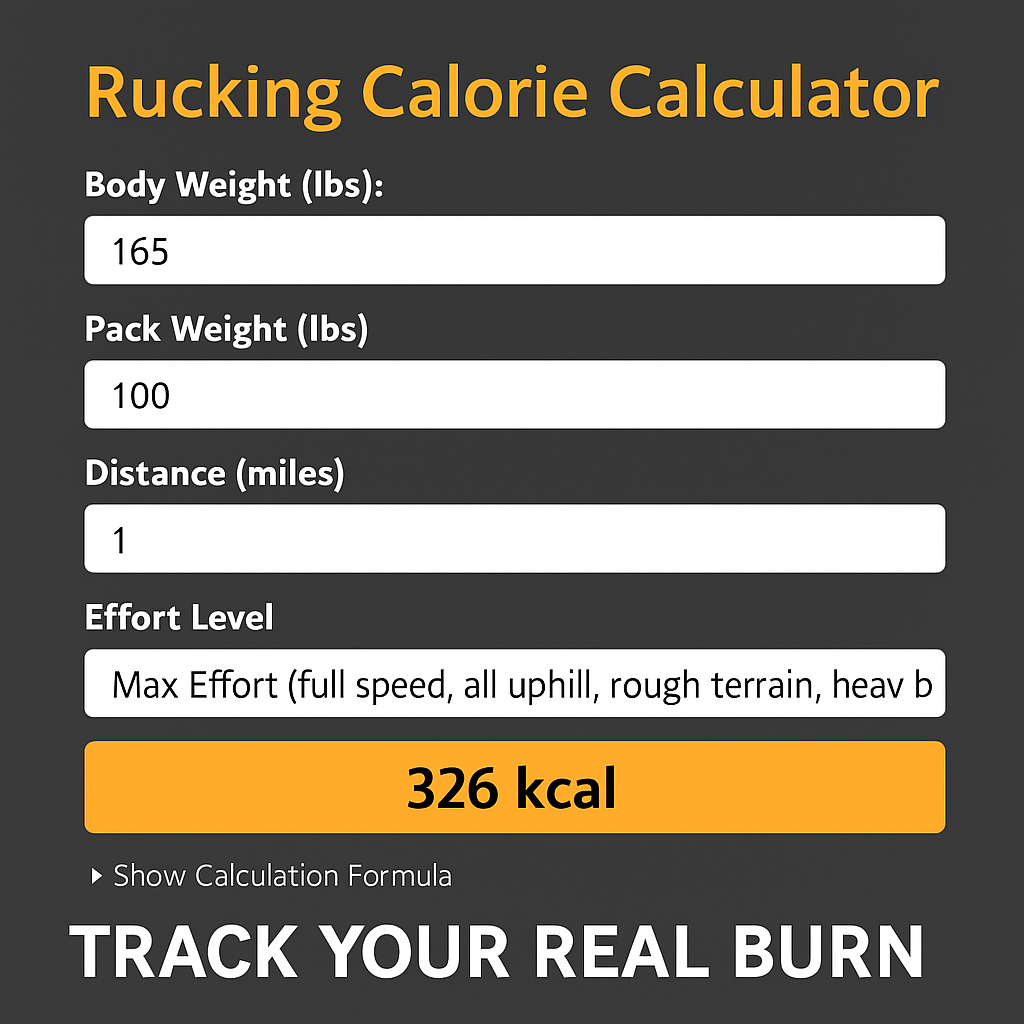
To plan sessions and recovery around weighted work, estimate how many calories your ruck or weighted walk will burn. Use this calculator to set realistic session lengths and fueling:

The calculator helps you match intensity and weight to your goals—fat loss, performance, or endurance. It’s the single best non-biased tool I recommend to plan weighted walks and mixed cardio sessions.
Product suggestions depending on use
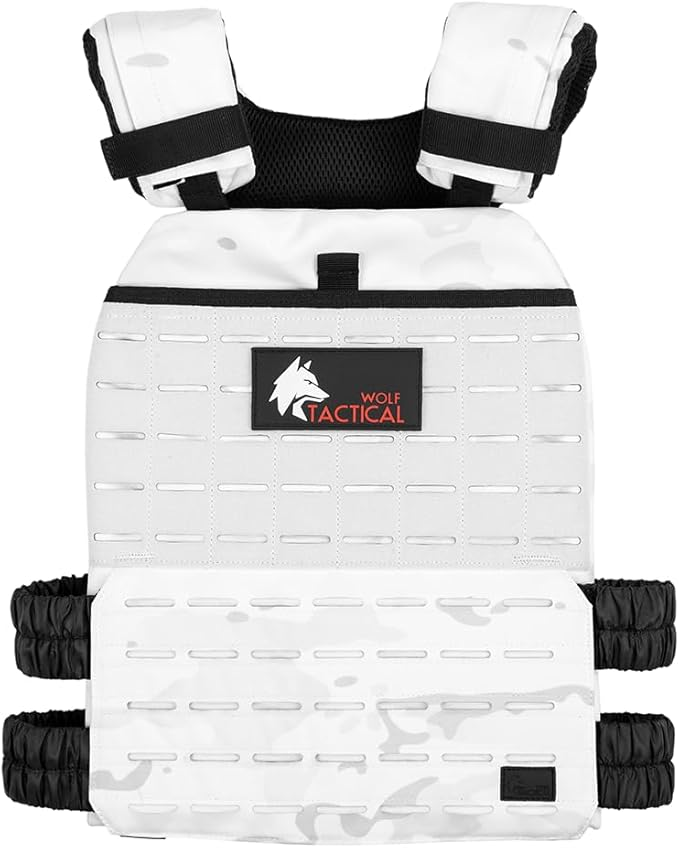
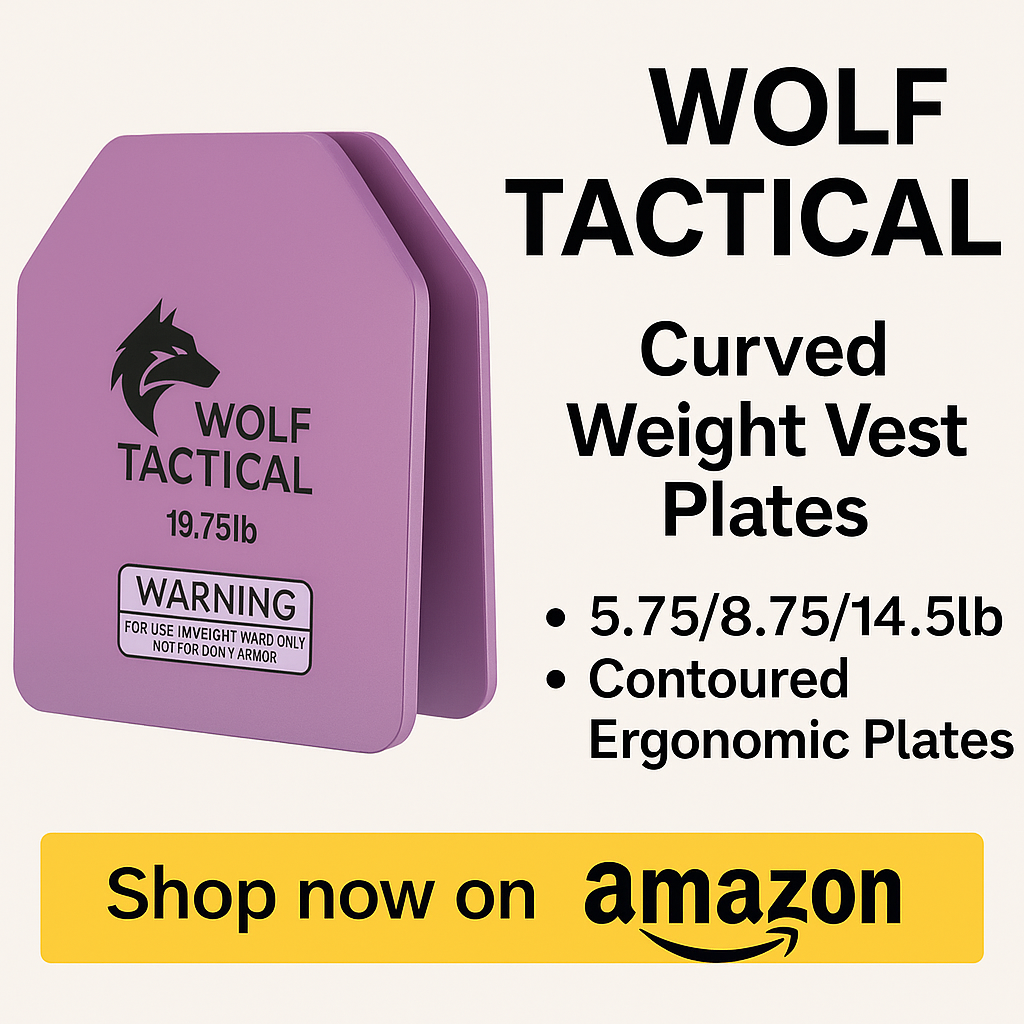
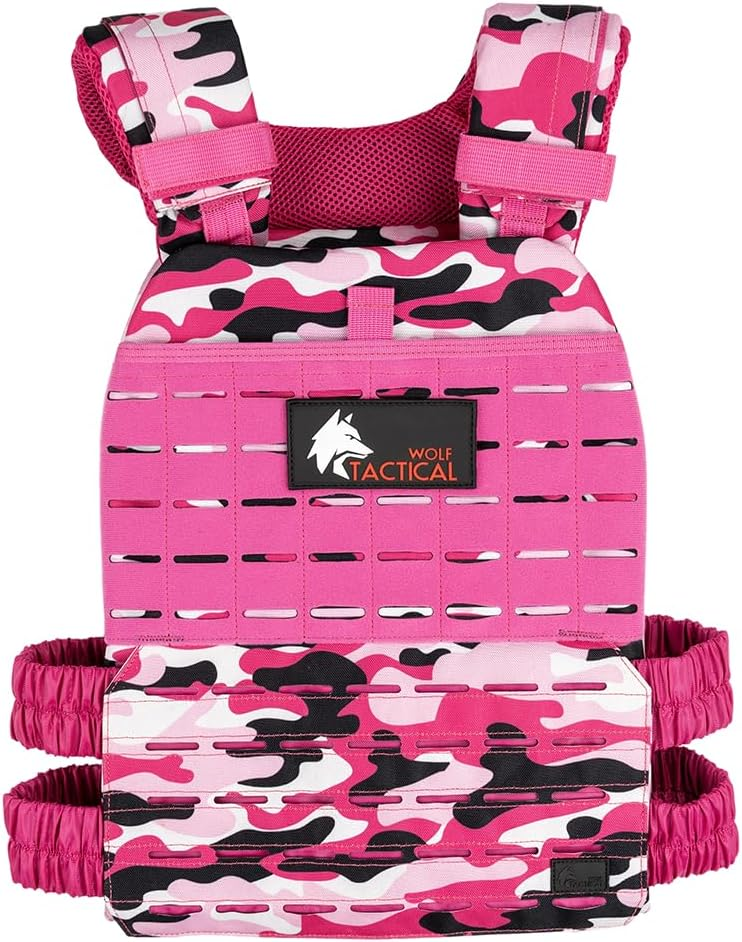
For heavy calisthenics where you want maximum load and low profile, I recommend a plate-capable vest like the Kensui EZ-VEST® MAX V2. For beginners who need comfort and simple load, a padded everyday vest like the WOLF TACTICAL Simple Weighted Vest is easier to live in.


Practical checklist before you buy
- Try it with your typical training movements—looking for shoulder and breathing clearance.
- Confirm load increments: can you add small plates or sandbags for microloading?
- Consider a plate carrier or ruck for any sustained walking over 60 minutes.
Final note from experience
I lost 90 lbs through consistent rucking, weighted-vest training, and disciplined nutrition, and I still recommend weighted vests as one of the most reliable tools to maintain lower body weight and burn fat consistently. The Thenx weight vest can be a key tool for calisthenics progress—just match the vest to the job and progress smartly.