Why choose a thin weighted vest?
A thin weighted vest is about reducing bulk while keeping the benefits of added load. For everyday walking, short rucks, or layering under a shell, a low-profile vest improves mobility, reduces chafing, and stays cooler than bulky plate carriers. If your goal is to add consistent calorie burn without altering your stride or posture, a thin vest is usually the best starting point.
Who it’s best for
- Beginners who want to add weight without changing movement patterns.
- Urban walkers or commuters who need something discreet under a jacket.
- Ruckers doing short to medium duration workouts where mobility matters.
- Anyone focused on steady-state calorie burn and posture-friendly loading.
Key fit and comfort features to check
When evaluating thin weighted vests, prioritize these practical details over brand hype:
- Low-profile weight pockets: Evenly distributed pockets prevent load migration and reduce bounce.
- Adjustable straps: A snug fit keeps the vest from shifting; avoid excessive compression that limits breathing.
- Breathable materials: Mesh panels and moisture-wicking linings cut down on heat buildup during walks.
- Padding where needed: Thin doesn’t mean no padding—shoulder padding and a reinforced lower back area improve comfort.
- Weight increment options: Choose a vest that accepts small plates or sandbags so you can progress in 2–5 lb steps.
Recommended thin vests for walking and rucking
For comfort-first, low-profile training, two reliable options are commonly used by ruckers and walking athletes:
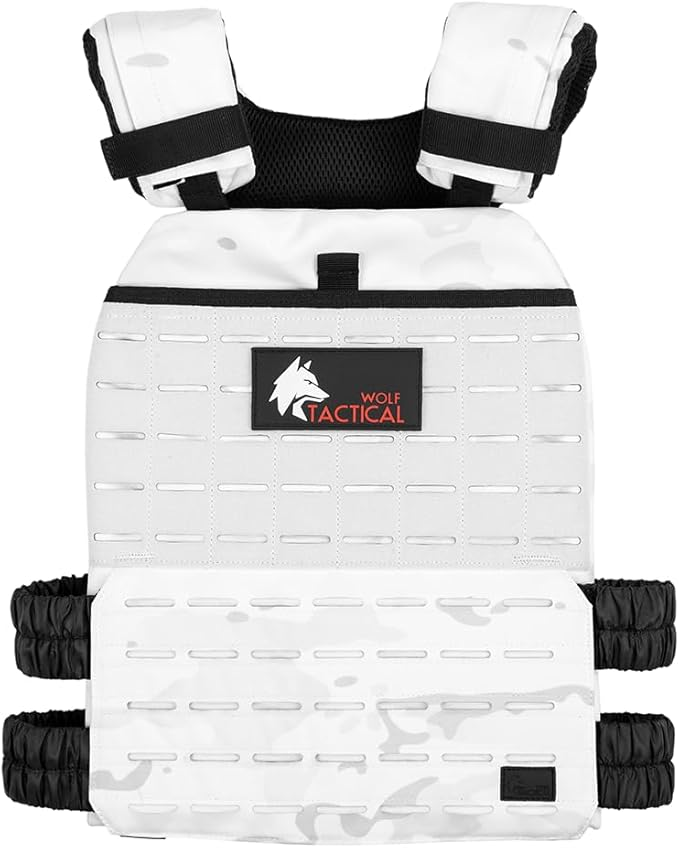
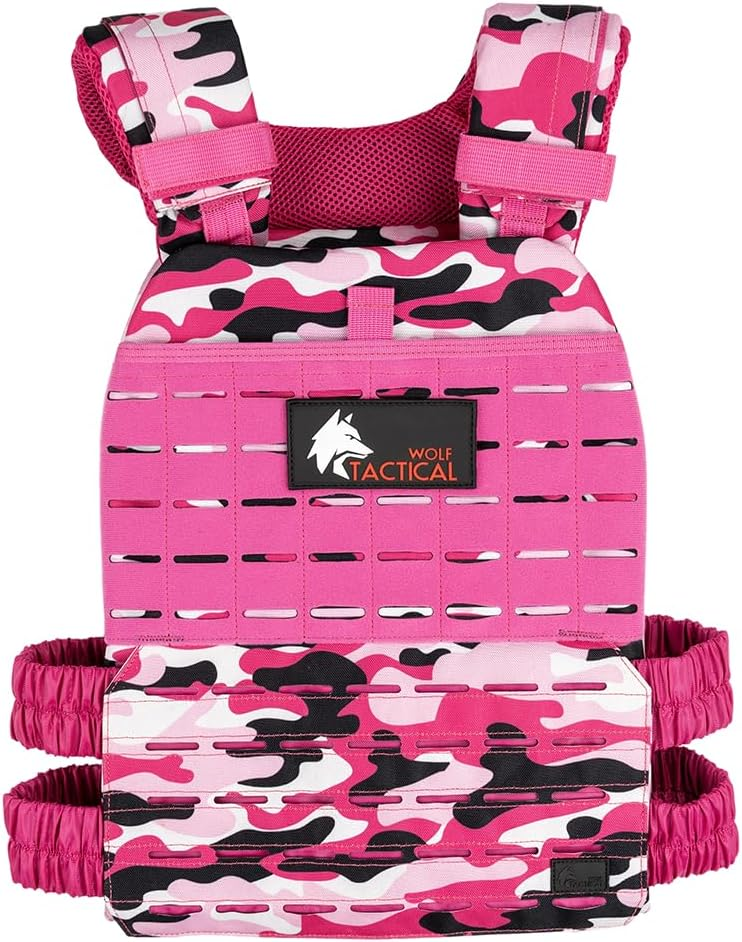
Wolf Tactical Simple Weighted Vest is often the best starting point for people prioritizing fit and daily wear. It’s lightweight, adjustable, and tolerates small plate increments for steady progression.

For a slightly more performance-oriented thin vest, the 5.11 TacTec Trainer Weight Vest balances a low silhouette with durable construction and secure pockets for small weight increments.

How to program with a thin weighted vest
Start light and progress slowly. Use these simple rules:
- Begin with 5–10% of body weight for walking and short rucks; increase 1–3 lb every 1–2 weeks depending on recovery.
- Use short, frequent sessions—20–45 minutes at a brisk pace—before moving to longer rucks.
- Monitor form: if you notice shoulder hitching, excessive forward lean, or breathlessness, remove weight and rebuild conditioning.
Estimate calorie burn
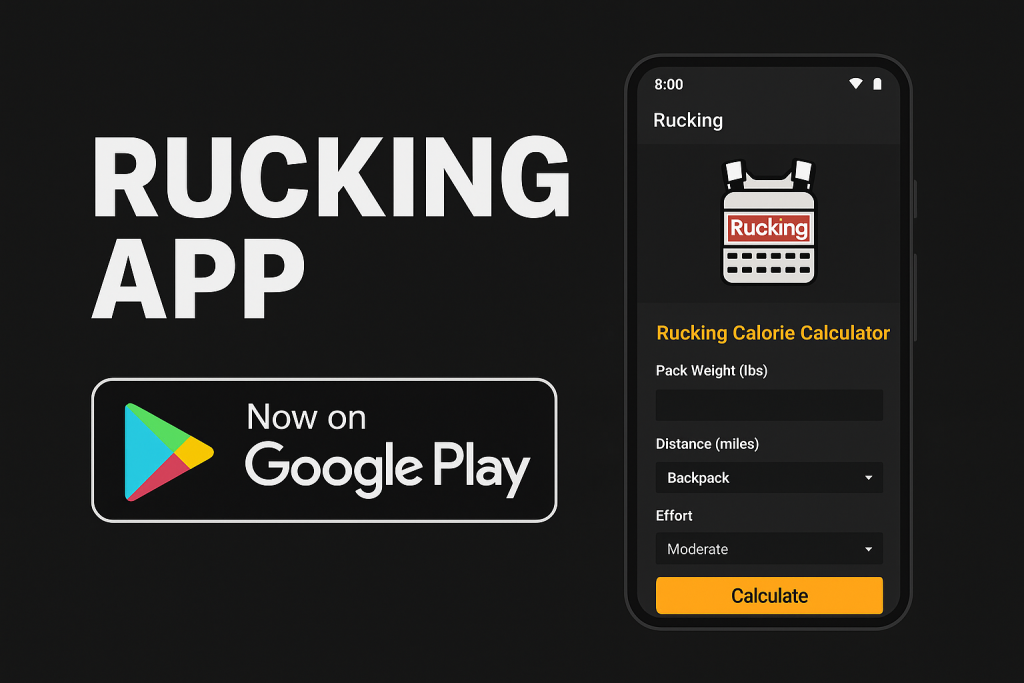
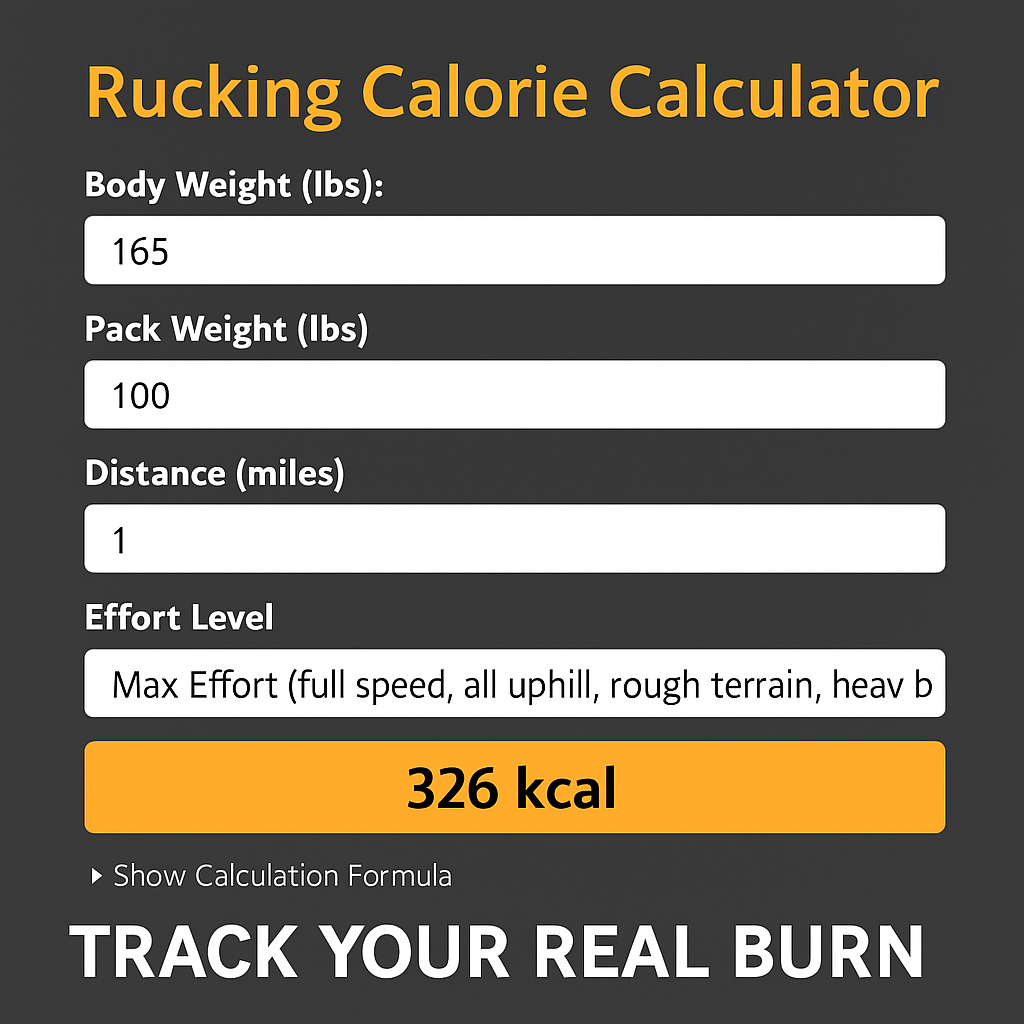
Want a practical estimate of how many calories you burn with a thin weighted vest? Use the rucking calorie calculator below to personalize your numbers. Enter your weight, distance, pace, and added vest weight for a quick estimate.

Quick safety checklist
- Warm up dynamically for 5–10 minutes before weighted walks.
- Keep weight centered and avoid asymmetric loads.
- Stop if joint pain or sharp discomfort occurs; consult a trainer if it persists.
Thin weighted vests are a pragmatic tool for steady calorie burn and mobility-focused training. Choose materials and adjustability over sheer capacity, progress gradually, and you’ll get consistent results without the bulk.