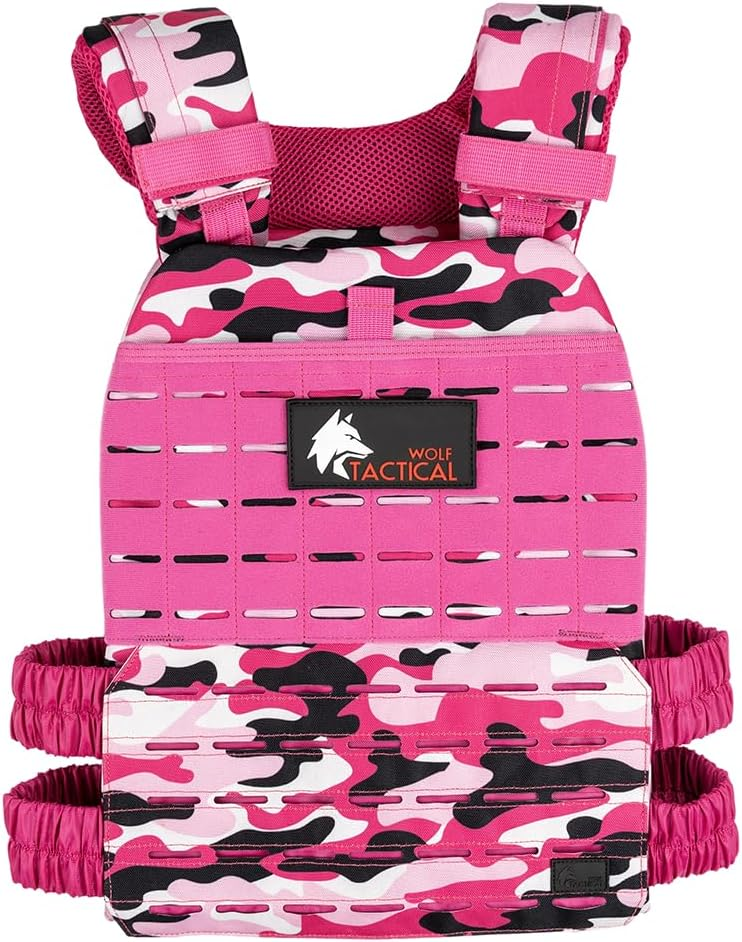
Why the top weighted vest matters
If your goal is functional conditioning, rucking, or efficient fat loss, the top weighted vest is the tool you wear, not the tool you think about. The right vest improves posture, keeps the load centered, and makes progressive overload predictable. This guide cuts through marketing and focuses on fit, materials, and real-world use so you pick a vest you’ll actually train in.
What to prioritize when shopping
- Fit and adjustability — a vest that rides up or shifts will create hotspots and change your gait.
- Load distribution — plates vs. sewn pockets vs. metal inserts affect balance and comfort.
- Durability — reinforced stitching, abrasion-resistant fabric, and quality closures last through heavy outdoor use.
- Scalability — start light and add plates or extra weight as you progress.
- Breathability — mesh panels and low-profile designs are better for long walks or hot-weather rucks.
Top contenders for most users
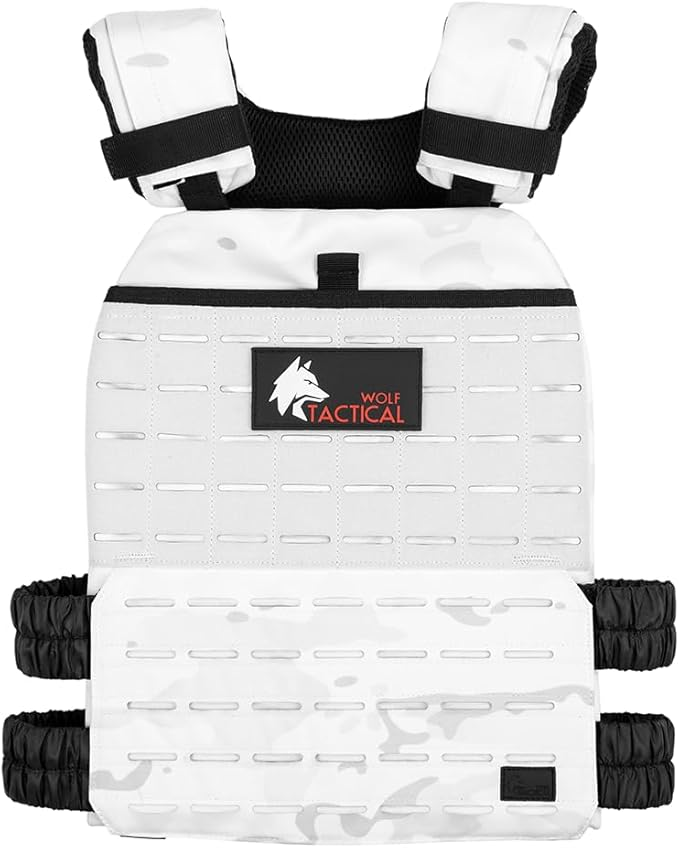
There are many options; these models often surface as reliably comfortable and durable in field tests. If you want comfort and a beginner-friendly fit, lean toward the Wolf Tactical or 5.11 TacTec options below. Both balance adjustability and price, and work well for walking, rucking, and circuits.
Recommended for comfort and everyday training:
Wolf Tactical Adjustable Weighted Vest

Recommended for performance-oriented calisthenics and controlled loading:
5.11 Tactical Unisex TacTec Trainer Weight Vest

Fit, sizing, and training tips
When trying on a vest, load it to at least half the target training weight. Walk, squat, and perform a few lunges in it. Key signs of a good fit:
- The vest stays centered over your sternum and doesn’t allow plates to shift when you bend.
- Arm motion is minimally restricted — you should be able to swing your arms naturally while walking.
- No excessive pressure on the neck or trapezius — straps should distribute weight across the torso.
Start with light sessions: 10–20 minutes of walking or circuits, then add time or weight weekly. For long rucks, add hydration and break the session into manageable segments. If you plan long-distance or military-style rucks, consider a dedicated ruck carrier (GORUCK style) or hydration-compatible backpacks as a complement to a vest.
Use the calculator to plan progressive overload
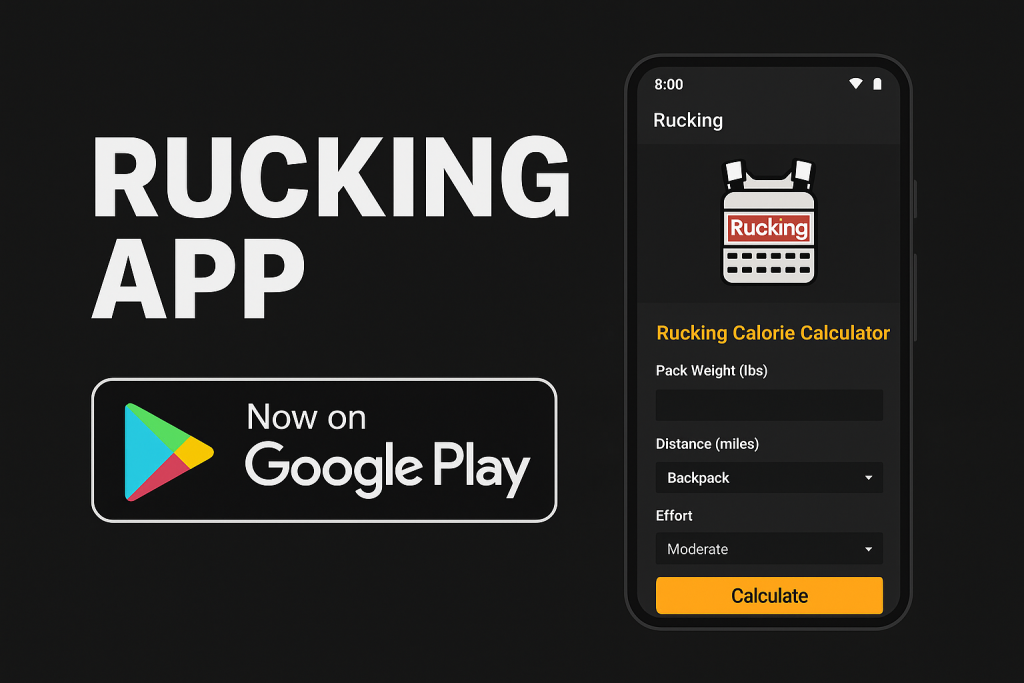
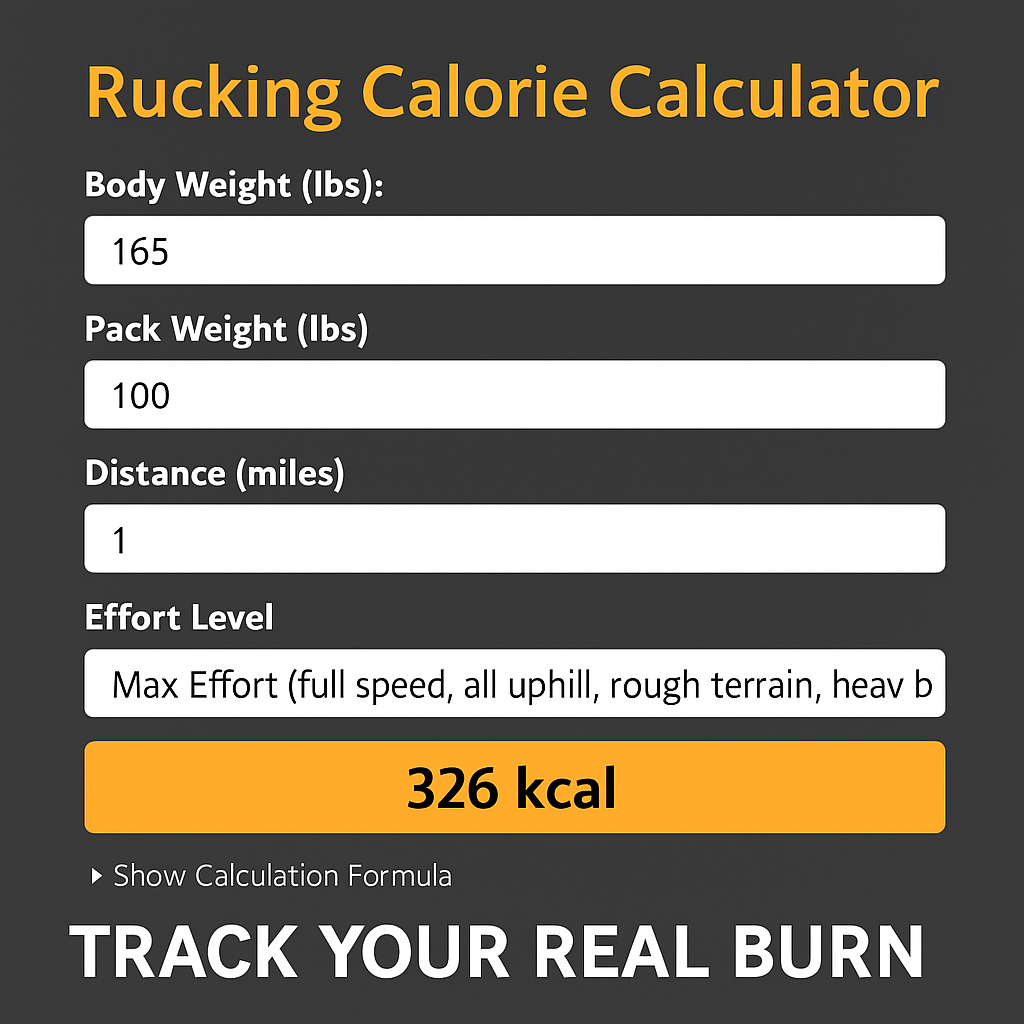
Want to estimate calories burned and plan progressive loading? Use the rucking calorie calculator to model different vest weights, distances, and paces. It helps you set weekly volume targets and track energy expenditure for fat loss or endurance goals.

Final decision framework
- Choose Wolf Tactical for comfort and beginner-to-intermediate daily use.
- Pick 5.11 TacTec if you need a structured platform for heavier plates and performance training.
- Match vest choice to the primary activity: walking/rucking vs. strength circuits vs. mixed use.
The top weighted vest is the one you wear consistently. Buy with the intent to progress weight and time gradually, and prioritize fit over fancy features.