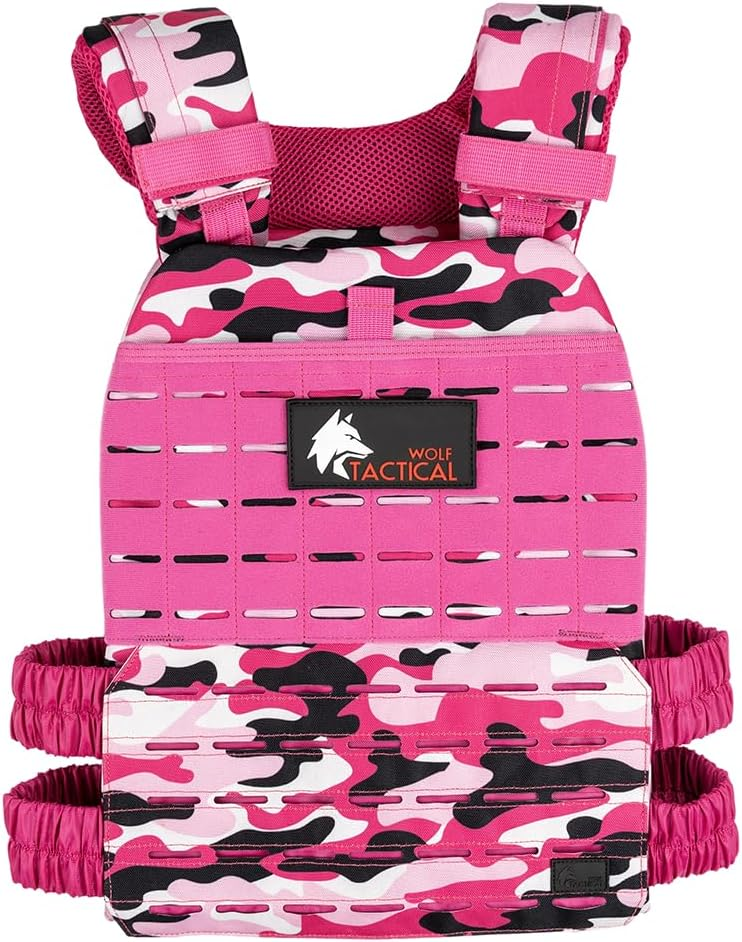
Why training plates for vest matter
Training plates change how a weighted vest performs. Plates let you tune load distribution, switch weights quickly, and adapt a vest for rucking or for high-intensity intervals. The right plates reduce bounce, prevent pressure points, and keep your center of mass where you expect it—critical when you’re out on trails or moving fast in urban rucks.
Core considerations
- Material: steel & cast iron are compact but noisy; rubber-coated and polymer plates are quieter and protect the carrier.
- Shape & profile: curved plates sit closer to the body and reduce movement; thin plates let you stack more weight.
- Compatibility: check the vest’s pocket dimensions and plate orientation—some vests take flat plates only.
Types of plates and practical tradeoffs
There are three common options: standard weight plates (designed for rucking), purpose-built vest plates, and modular sand/weight pouches. For most ruckers and weighted-vest users I recommend purpose-built plates or ruck plates sized for vest pockets. They’re predictable, durable, and easier to balance.
Recommended products for training plates
Two practical options to consider based on how you train:

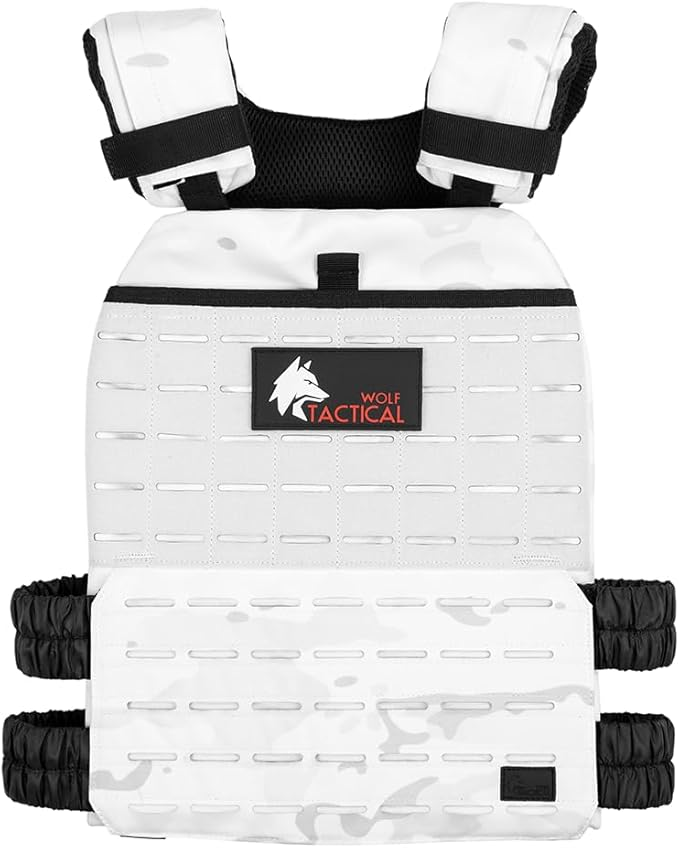
Inline option: WOLF TACTICAL Weight Vest Plates are a solid, vest-friendly choice when you need compact, stackable plates.

For budget or heavier single-plate needs consider Yes4All Ruck Weight Plate—bulky but durable for steady progression.
Fit, stacking, and safety
Measure vest pocket depth and width. If you plan to stack plates, do a dry run with lighter plates first. Keep stacks centered and symmetrical—uneven loading causes gait changes and potential low-back strain. Use thin plates for long-distance rucks and slightly thicker/heavier plates for short, intense sessions.
Loading strategies
- Progression: add 2.5–5% of bodyweight per week as your form and comfort allow.
- Placement: heavier near the torso midline; avoid low-hanging loads that pendulum with each step.
- Movement checks: walk 10–15 minutes at a brisk pace after reloading to verify comfort and stability.
Estimate your calorie burn and plan progression
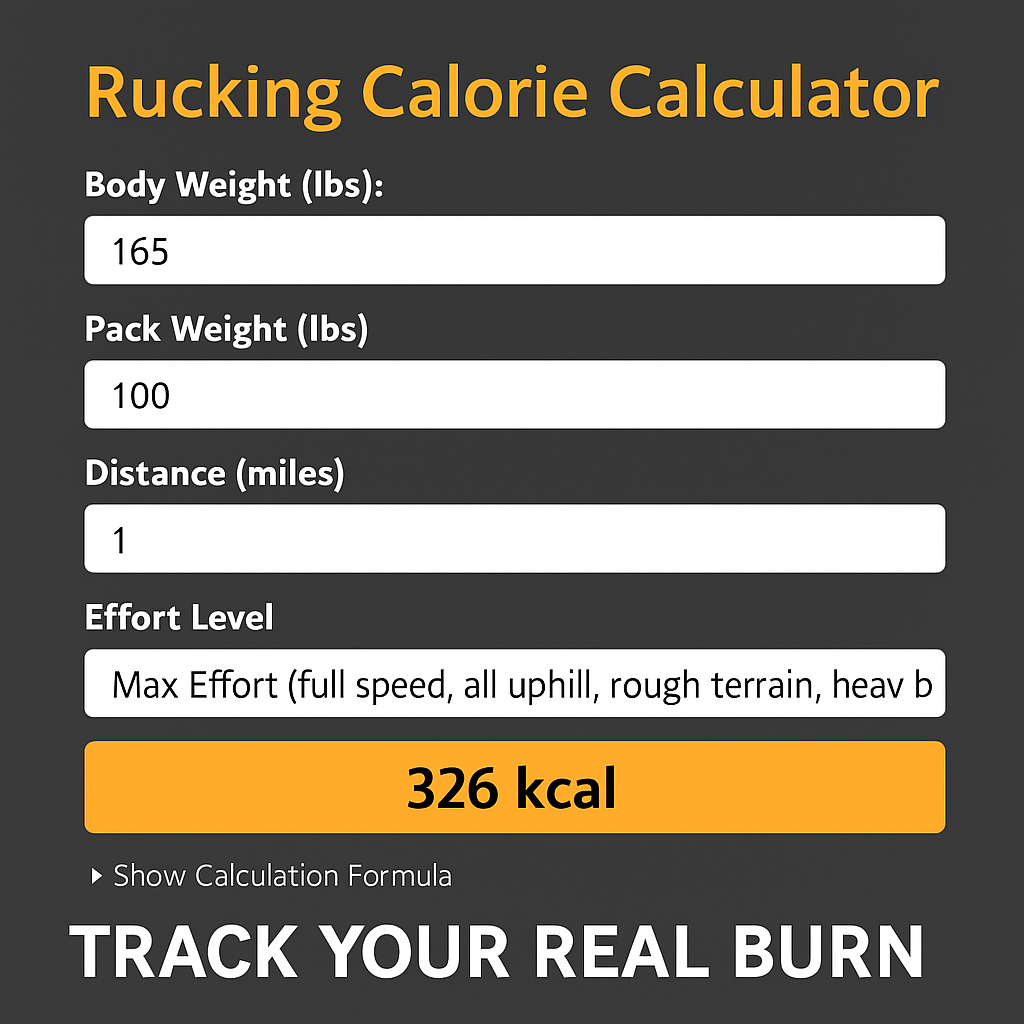
Use the calorie calculator to estimate how added vest weight affects your session burn. Enter your weight, pace, distance, and vest load to get practical numbers you can track as you add plates.

Final tips from an ISSA trainer voice
I’ve coached dozens of ruckers on plate selection: prefer plates that sit flush, distribute load evenly, and let you adjust incrementally. I lost 90 lbs through rucking, weighted-vest training, and disciplined nutrition, and I still recommend targeted plates and vests as one of the most reliable tools to burn fat and maintain a lower bodyweight. Start conservative, prioritize posture, and treat plates as a progression tool—not instant punishment.
Quick checklist
- Confirm pocket size before buying plates.
- Use rubber-coated or polymer plates if you need low-noise, lower-scratch options.
- Progress load slowly and test on a short walk before long rucks.
Training plates for vest are simple gear but make a huge difference when chosen correctly. Small, well-positioned plates beat large, shifting weights every time.