Why a men’s training vest works
A weighted training vest lets you add precise, hands-free resistance to walking, rucking, and bodyweight strength. For men, the right vest balances load across the torso, keeps the chest open for breathing, and stays put during push-ups, squats, and runs. Below is a practical guide to sizing, loading, and programming so you can get stronger and leaner without beating up your joints.
How to choose the right vest
- Fit and stability: Look for wide, adjustable shoulder straps and a sternum/side closure that won’t bounce. The vest should sit high enough to clear your hips when you walk or squat.
- Load style: Plate-compatible vests are sleek and stable; pocketed vests with smaller weights are highly adjustable. Both work—choose based on comfort and how you’ll train.
- Breathability: Mesh panels and moisture-wicking liner reduce heat buildup on longer efforts.
- Range of weight: Ensure the vest can scale from light conditioning to heavier strength intervals. Start light; earn the load.
- Freedom of movement: You should be able to raise arms overhead, hinge at the hips, and take a full stride without chafing.
How much weight to start with
Start conservatively, then progress 5–10% at a time as your tissues adapt.
- Walking/rucking: 5–10% of bodyweight for beginners. If you’re 180 lb, begin with 10–18 lb.
- Calisthenics circuits: 5–10% for high-rep work, up to 15–20% for lower-rep sets once you own good form.
- Running/intervals: Err on the lighter side (5–8%) and progress very slowly. Prioritize joint health.
Use the talk test: you should carry a conversation on steady walks. If you’re heaving or changing your gait, drop the weight or slow down.
A simple 2-week starter plan
Week 1
- Day 1: 20–30 min weighted walk at easy pace, 5–10% bodyweight.
- Day 2: Bodyweight circuit (2–3 rounds): 8–12 push-ups, 10 squats, 20-second plank, 8 lunges/leg. Rest 60–90 sec.
- Day 3: Off or light mobility.
- Day 4: 25–35 min walk, add gentle hills if available.
- Day 5: Circuit (3 rounds): 6–10 push-ups, 8–10 step-ups/leg, 10 bent-over rows (band or TRX), 20–30 sec side plank/side.
Week 2
- Increase total walk time by 5–10 minutes or add a small hill segment.
- Add 1 rep to each movement in your circuits or a fourth round if form is rock-solid.
- Optional: add 2–4 lb to the vest if RPE stays 6–7/10.
Track calorie burn and progress
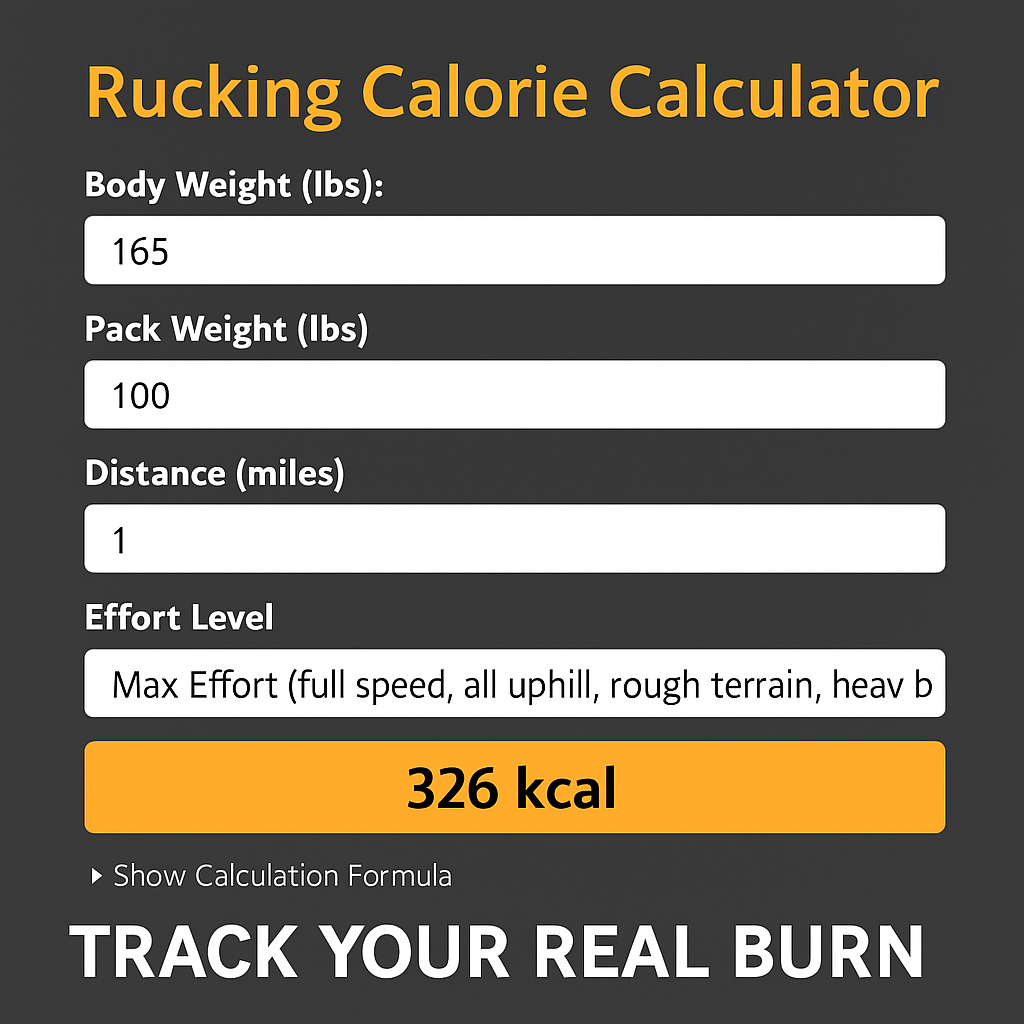
Estimating energy use helps set expectations and keep you honest with nutrition. Use this rucking/weighted-walking calorie tool to estimate your session burn by bodyweight, distance, pace, and load.

Log your sessions: distance, time, average pace, vest weight, and how you felt (RPE). Small weekly progress beats big, erratic jumps.
Recommended men’s training vests
For most men, comfort and stability matter more than max load. These two vests have proven reliable for walking and mixed calisthenics:
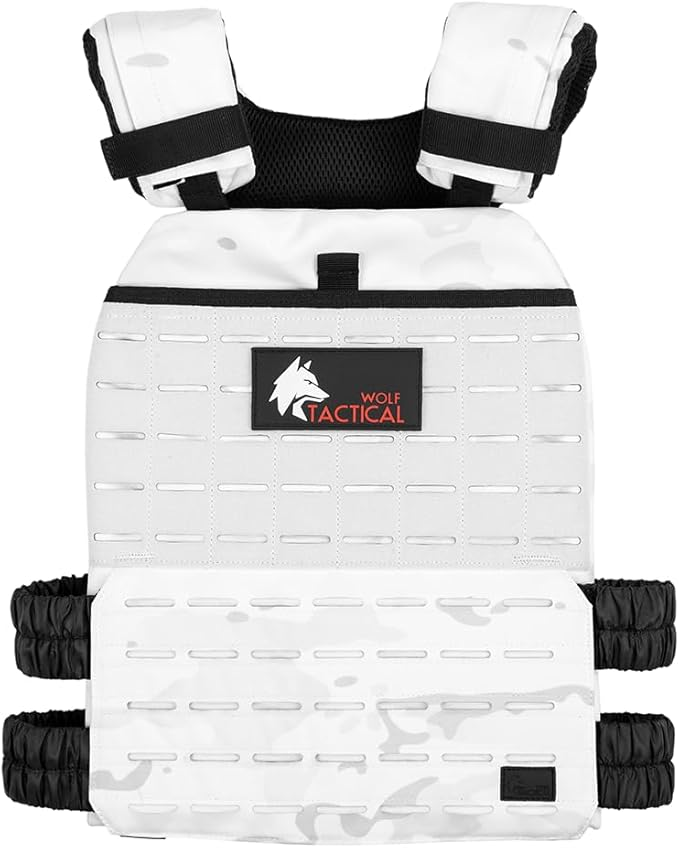
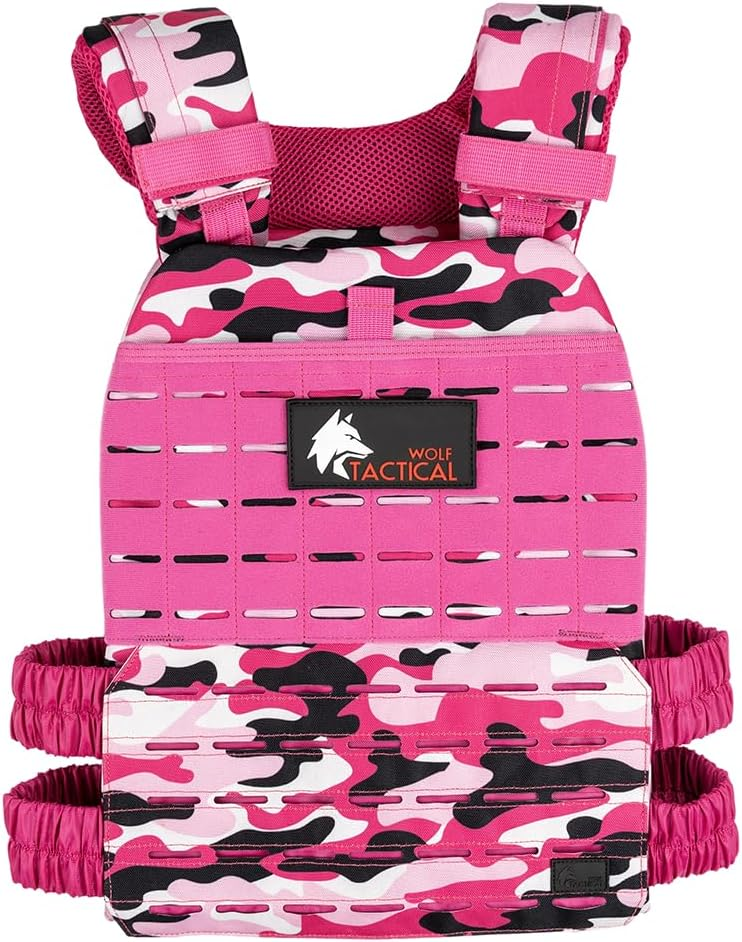
Wolf Tactical Adjustable Weighted Vest
The Wolf Tactical Adjustable Weighted Vest balances comfort, breathability, and easy load changes—great for progression from light walks to moderate circuits.

5.11 TacTec Trainer Weight Vest
If you prefer a plate-style fit with excellent stability for push-ups, runs, and burpees, the 5.11 Tactical Unisex TacTec Trainer Weight Vest is a durable, movement-friendly option.

Form, posture, and safety
- Posture: Tall chest, ribs down, slight core brace. Don’t lean forward to “carry” the load.
- Stride: Shorten slightly when weighted; keep cadence smooth to reduce joint stress.
- Progression: Add either time, distance, or a little weight—not all three at once.
- Recovery: Hydrate, walk easy on off days, and hit a 5–10 minute mobility flow for ankles, hips, and T-spine.