Why the TWL weight vest deserves a look
The TWL weight vest is designed for people who want a durable, close-fitting way to add load to walking, rucking, and bodyweight training. In my experience coaching outdoor athletes and everyday people, a vest that fits close to your torso reduces bounce, protects your lower back, and keeps your gait natural during long walks and rucks.

Fit and sizing: how to know if a TWL vest is right for you
Fit matters more than brand labels. The vest should:
- sit snugly against your chest and upper back without pinching;
- allow full shoulder and arm movement for loaded carries and pushups;
- distribute weight evenly—plates or sand pockets should sit around your ribcage, not hang low on your hips.
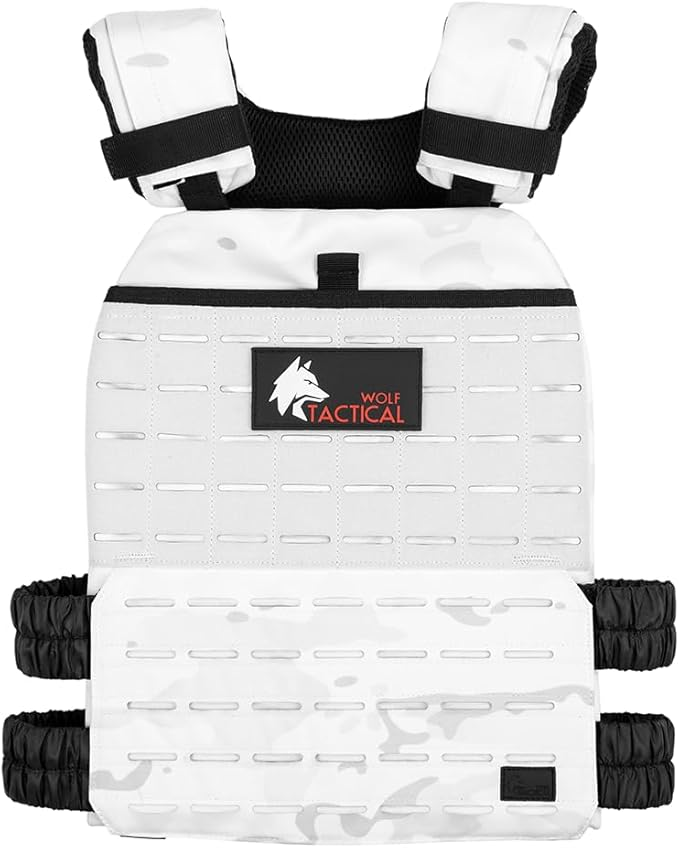
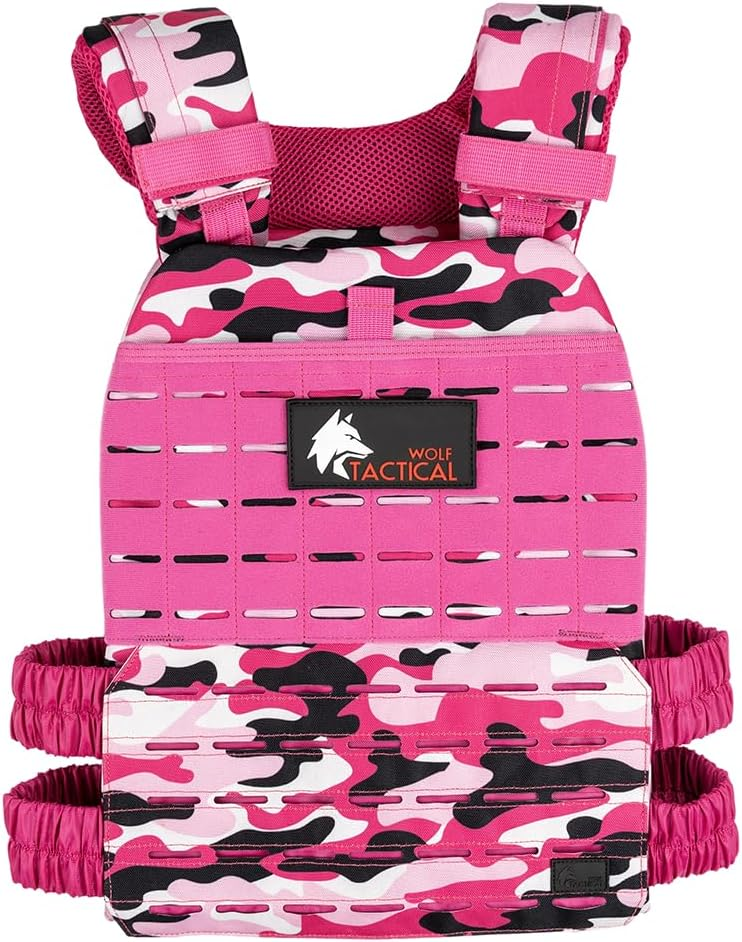
If you plan to ruck longer than 60–90 minutes, prioritize a vest with adjustable shoulder straps and a secure front closure. For a similar comfort-forward option, consider the Wolf Tactical Adjustable Weighted Vest shown below.

Loading and progression
Start conservative. Your first week with added load should focus on maintaining form and breathing under weight, not speed. A simple progression looks like:
- Week 1–2: 5–10% of bodyweight for walking/short rucks;
- Week 3–6: 10–15% of bodyweight, add intervals or hills;
- After 6 weeks: increase load by 5% only if you can move with excellent posture.
Weighted vests change the game for calorie burn and strength transfer. I recommend plates or modular weights so you can micro-adjust as you adapt.
Training examples with a TWL weight vest
Choose one or rotate these sessions 2–4 times per week, coupled with a day for recovery or strength work.
- Short ruck: 30–45 minutes at conversational pace, focus on posture.
- Interval walk: 10-minute warm-up, 6×1 minute brisk/2 minute easy, 10-minute cool-down.
- Mixed workout: 20-minute ruck + 3 rounds of 10 push-ups, 15 bodyweight squats.
How to track calories and plan a program
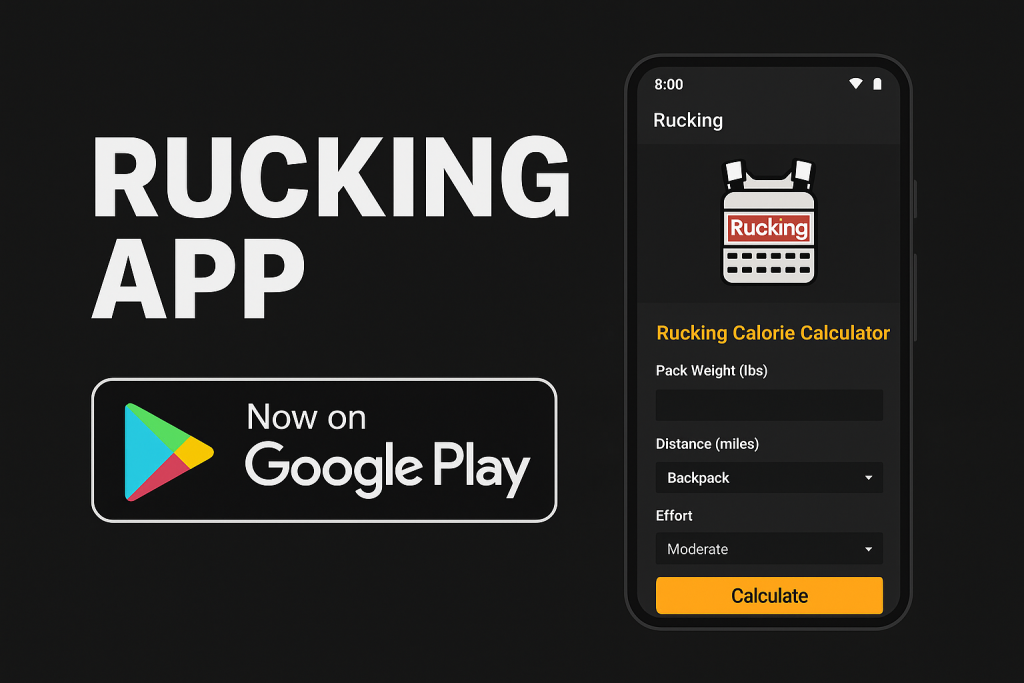
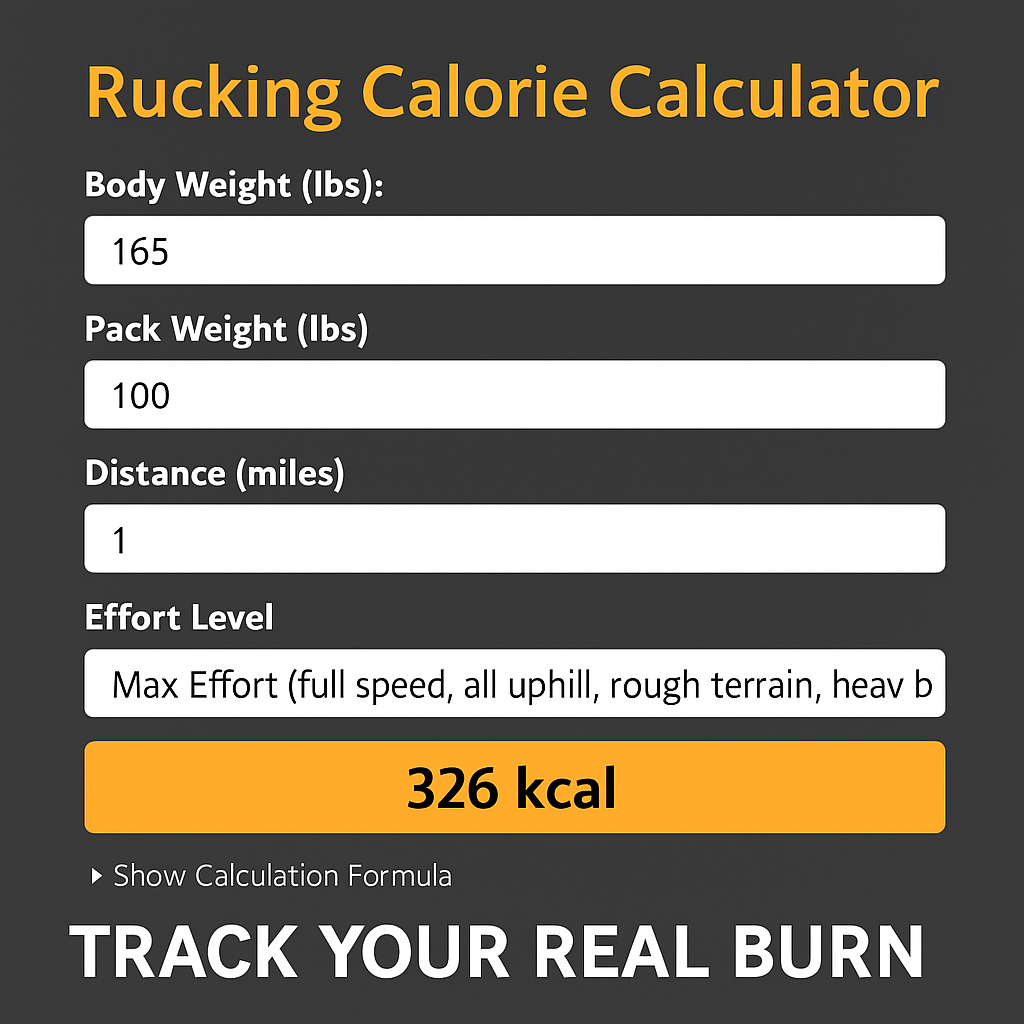
Knowing how many calories you burn helps you program load and nutrition. Use the rucking calorie calculator to estimate burn for weighted walks and rucks. Tap the calculator below to plug in your bodyweight, vest weight, distance, and pace.

Practical tips: comfort, chafing, and long rucks
- Wear a fitted base layer to reduce chafing and wick sweat.
- Use small soft pads or tape on pressure points for the first few outings.
- Hydrate intentionally—if you use a rucksack or hydration system, a CamelBak-style carrier pairs well with vest work for long efforts.
I’ve coached people through major weight loss and maintenance using disciplined rucking, weighted-vest training, and simple nutrition. If you approach the TWL weight vest with conservative loading and consistent progression, it becomes an honest tool for strength and metabolic conditioning outdoors.