Quick take: Unbroken Designs weight vest for rucking and training
The Unbroken Designs weight vest is one of several dedicated weighted-vest options people choose for outdoor rucking, hill work, and everyday conditioning. This guide focuses on practical fit, load distribution, comfort during walking or rucking, and simple programming you can use on the trail. I write from an outdoor-first training perspective: durable gear, realistic progressions, and safety over gimmicks.
Fit and construction — what matters
A solid weight vest for outdoor use needs two things: stable load placement and breathable materials. Unbroken Designs tends to use fixed pockets and a contoured shape so the weight rides close to your torso. That reduces bounce during brisk walks and short runs.
- Shoulder padding: Look for wide, low-profile straps that don’t dig when the weight shifts.
- Chest and belly stabilization: A simple strap across the sternum prevents the vest from migrating upward as you breathe or step up a grade.
- Materials: Heavy-duty nylon or Cordura with reinforced stitching is preferred for repeated outdoor use.
Comfort tips when rucking with a weighted vest
Weighted vests change your gait and breathing. Start light and focus on consistent cadence. If the Unbroken Designs vest you’re testing allows plate-style inserts, place heavier plates lower and centered to keep the center of mass tight to your hips.
- Break in over short walks (20–30 minutes) before a long ruck.
- Wear a wicking base layer to reduce chafing under the vest.
- Adjust straps after 10–15 minutes — a snug vest will feel better after the initial movement set.
Programming: beginner to intermediate sessions
Follow a simple progression: time on feet first, then add load. For new users, use 5–10% of body weight and walk 20–40 minutes three times a week. Increase load 2–5% every 2–3 weeks depending on recovery. For intermediate trainees, incorporate hill repeats and tempo rucks with 10–20% body weight and mixed walk/run segments.
Safety checklist
- Do a movement screen: no sharp back pain or joint issues before adding load.
- Listen to breathing — if cadence collapses, reduce load or pace.
- Hydrate and compressively layer for colder weather; keep plates secure to avoid shifting.
Estimate your calorie burn
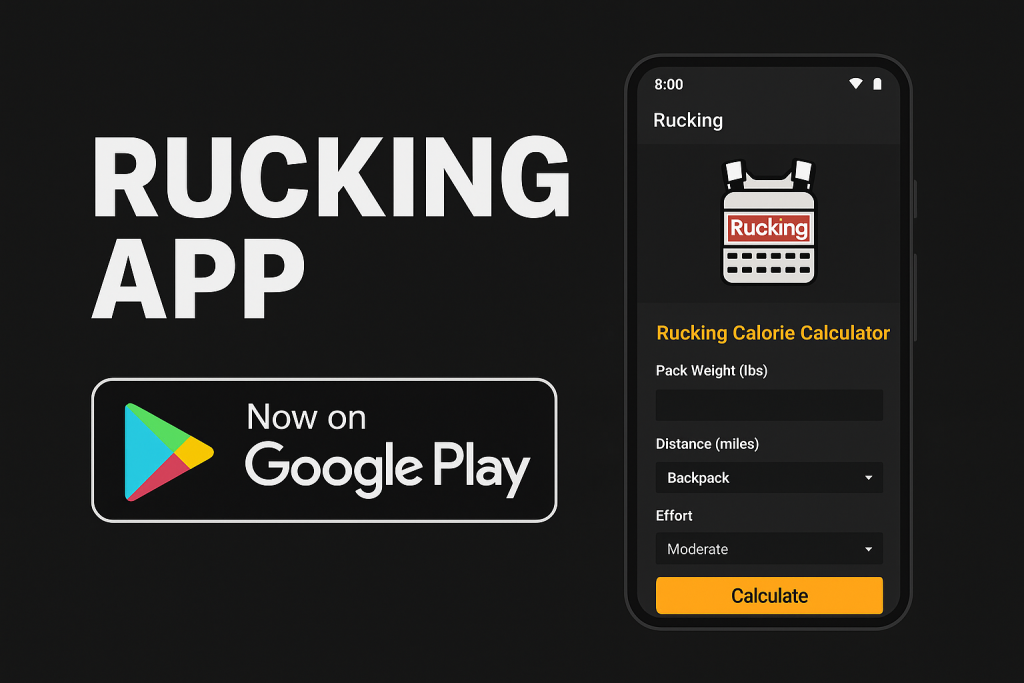
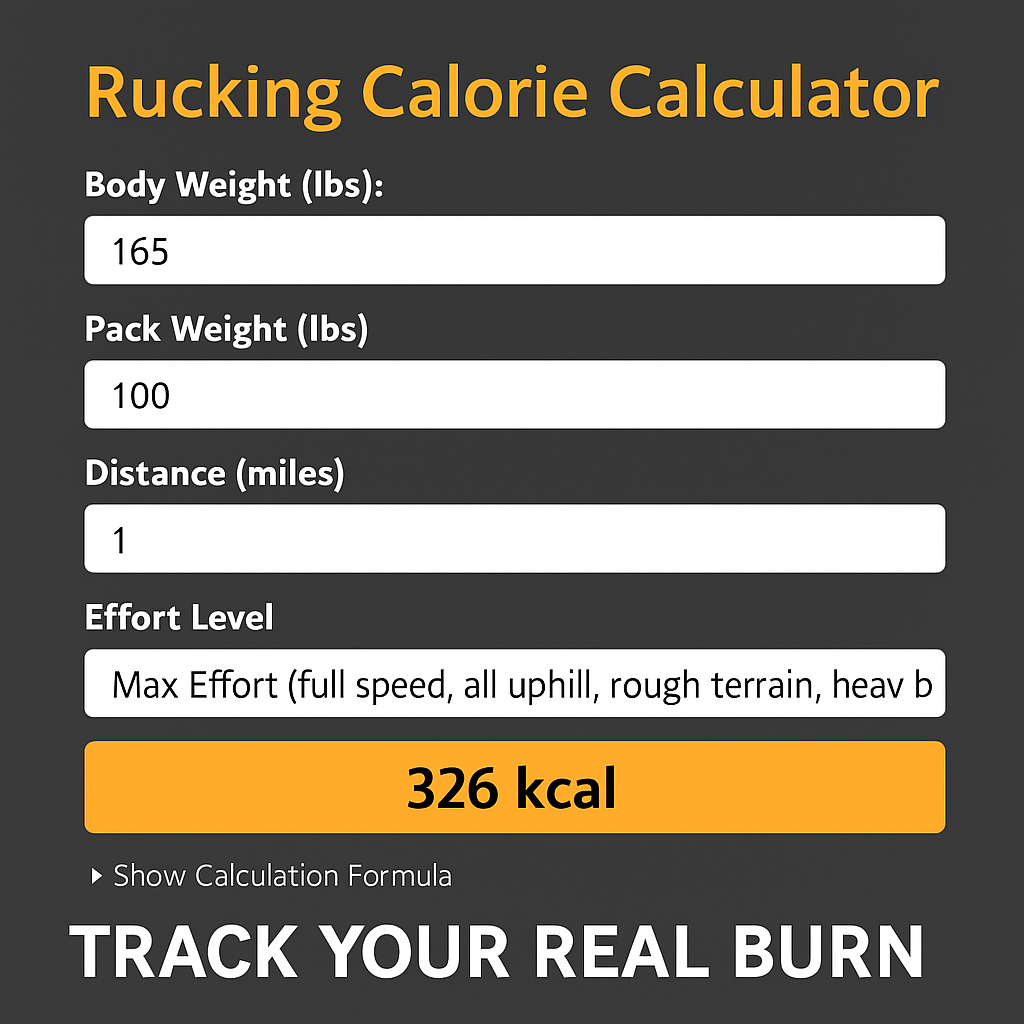
Want to know how much work a ruck with the Unbroken Designs weight vest actually does? Use the Rucking Calorie Calculator to estimate burn for walks, hikes, or weighted sessions. Click the screenshot below to open the calculator and enter your weight, load, distance, and pace.

Complementary gear I recommend
For longer rucks or when you want hydration and cargo, pairing a weight vest with a proper ruck delivers better long-distance comfort. The GORUCK Rucker 4.0 is a proven ruck for miles and load-carrying; I recommend it for extended routes where weight distribution and durability matter.
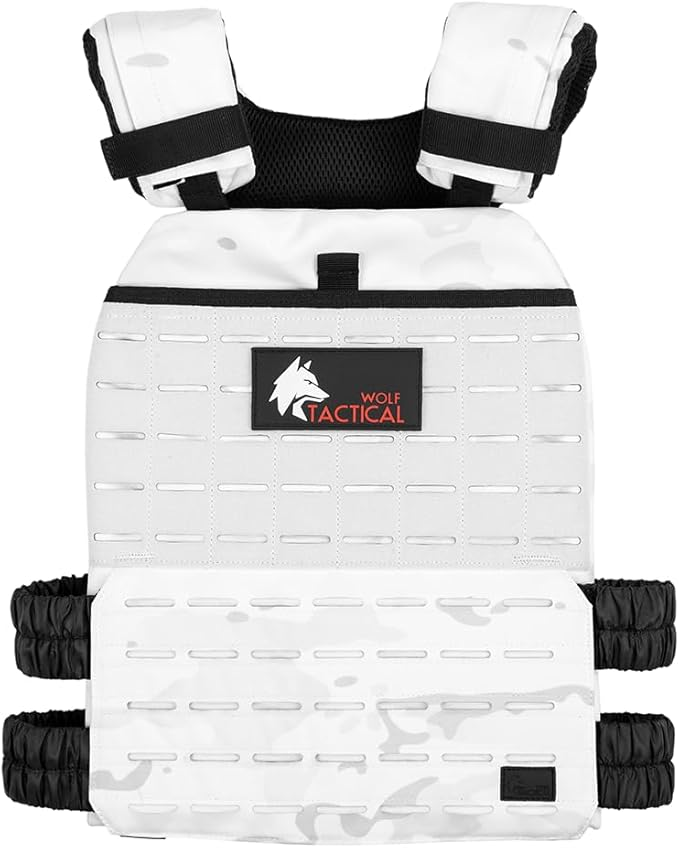
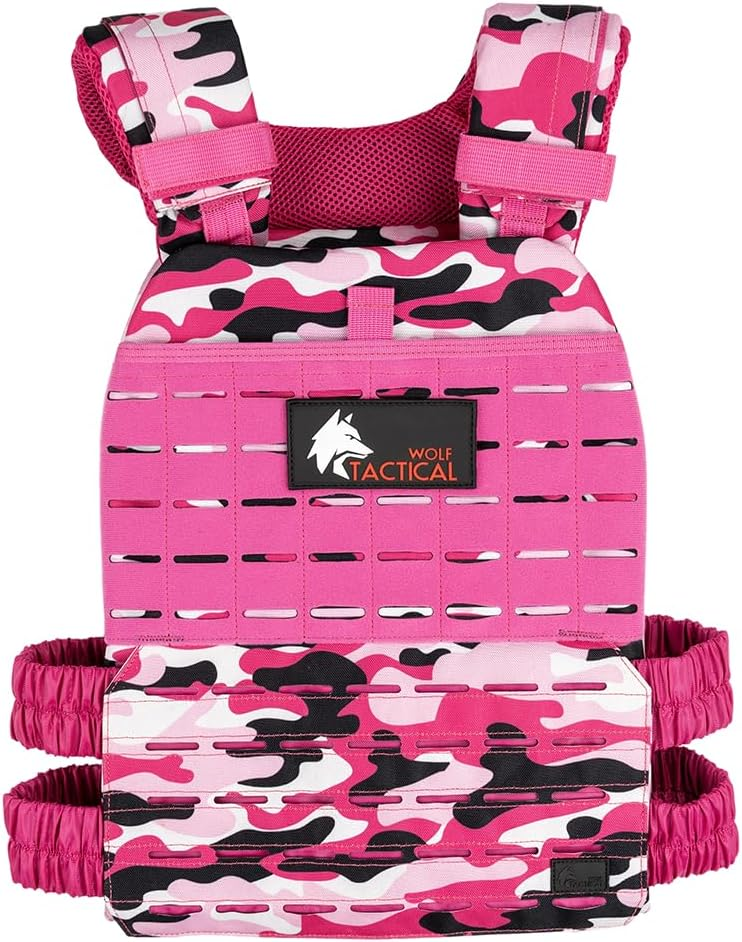
For a beginner-friendly plated vest option, the Wolf Tactical Simple Weighted Vest is a reliable, comfortable choice for walks and short rucks.

Consider the Wolf Tactical Simple Weighted Vest if you need a low-profile, adjustable option that’s comfortable for walking and short training sessions.

Bottom line
The Unbroken Designs weight vest can be a solid tool if it fits correctly and you use it progressively. Prioritize comfort, plate security, and gradually increase load while tracking time on feet. Use the rucking calorie calculator linked above to quantify work and adjust your programming to match recovery and goals.