Why the Verve weight vest works for rucking and daily training
The Verve weight vest is a lightweight, low-profile option that many people reach for when they want added load without the bulk of a plate carrier. It’s built for movement—walking, short rucks, hill repeats, and bodyweight circuits where freedom of motion matters. This guide explains fit, how to use it safely, and how to estimate calorie burn when you add a Verve to your regular walks.
Fit and sizing essentials
Fit is the number one thing that separates a vest you use from one you don’t. A properly adjusted Verve sits high on the torso, close to your chest and upper back, so weight doesn’t sag or bounce. Check for these points:
- Chest and shoulder straps should be snug but not restrictive.
- Vest shouldn’t press on your ribs in a way that blocks deep breaths.
- Move through a full range—shoulder circles, squats, and a brisk walk—to test for chafing or hot spots.
Layering and comfort tips
Wear a moisture-wicking base layer under the Verve to reduce friction. If you expect long durations or hot weather, bring a thin windbreaker you can stow in a small pack. Small padding adjustments and strap routing dramatically change comfort—tweak one strap at a time, then walk 10 minutes and re-evaluate.

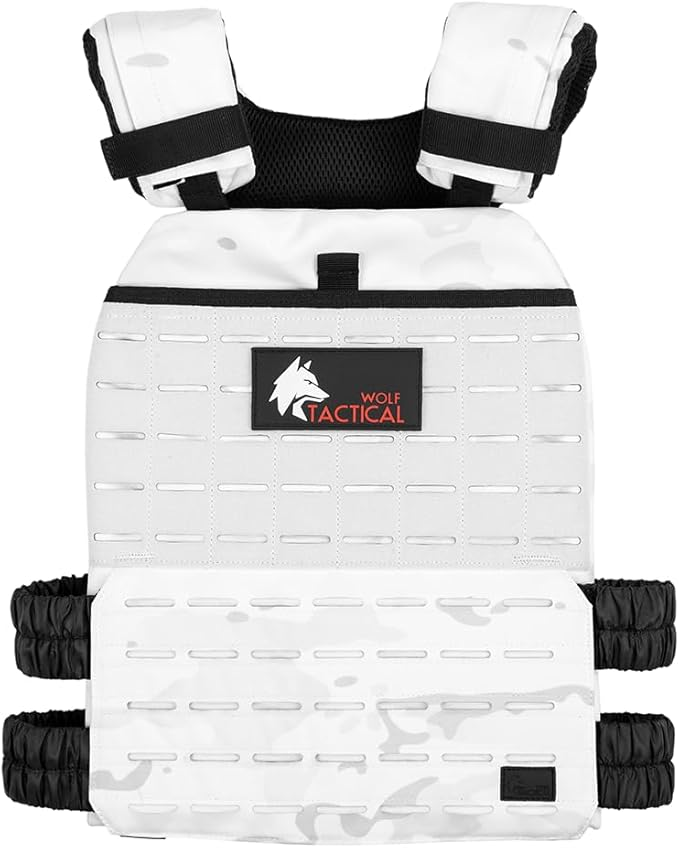
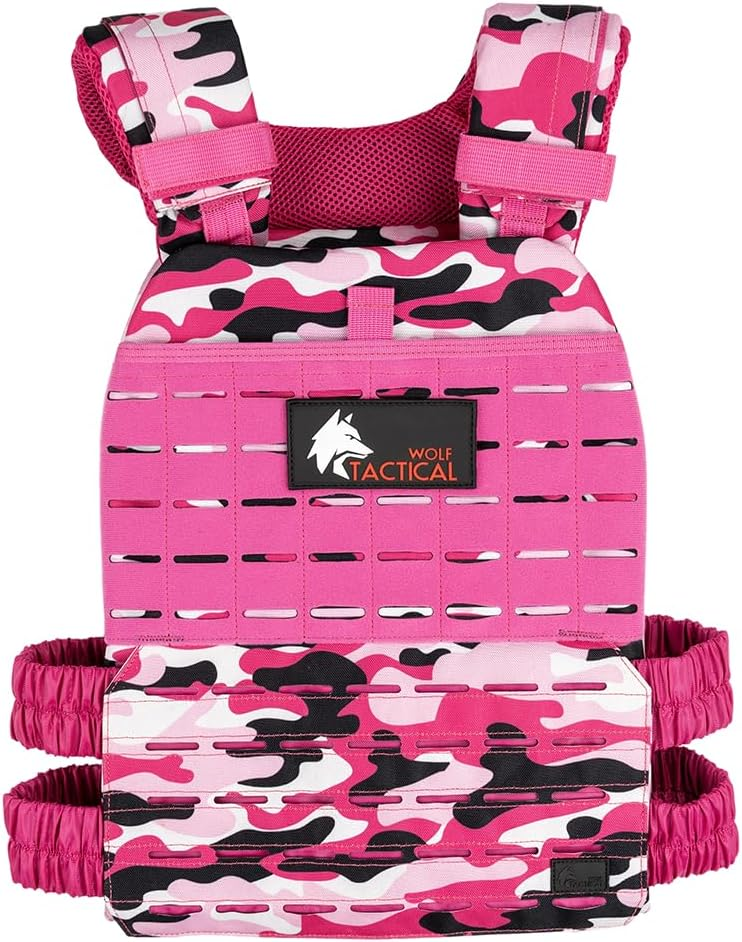
For those new to added load, consider the Wolf Tactical Adjustable Weighted Vest as an approachable alternative when you need more padding or adjustable pockets.
Training approaches with a Verve weight vest
Use the Verve for three primary modes: conditioning walks/rucks, interval circuits, and strength assist. Typical progressions look like this:
- Week 1–2: 10–20 minute walks with light weight to assess fit and breathing.
- Week 3–6: 30–60 minute rucks, building duration before adding more weight.
- After 6 weeks: incorporate interval hills, farmer carries, and bodyweight sets while wearing the vest.
Safety checklist
- Start light—your posture and gait adapt before strength does.
- Keep cadence steady and avoid overstriding while loaded.
- If you feel sharp pain, stop and reassess load placement and straps.

If you plan longer outings or want a mix of hydration and weight, pair the Verve with the CamelBak Motherlode 100oz for comfortable water capacity and extra cargo space.
Estimate calorie burn: quick calculator
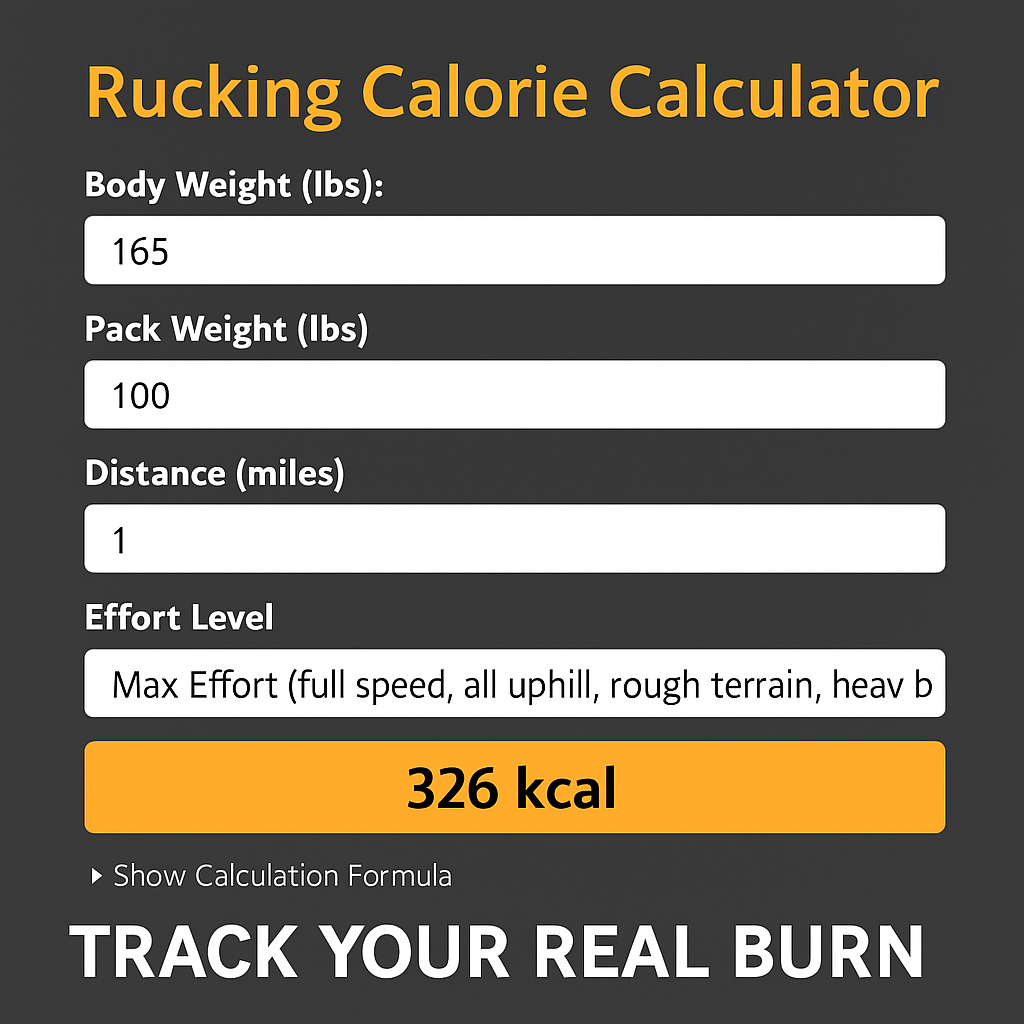
Want a practical estimate of how many calories a loaded walk burns? Use the rucking calorie calculator to tailor estimates to your weight, speed, distance, and load. Click the screenshot below to open the tool and run numbers before your next session.

Final practical notes
Use the Verve weight vest as a mobility-first tool. Its design lends itself to functional movement and shorter rucks rather than heavy, plate-style loading. Build time under load, monitor posture, and adjust weight before duration. If you outgrow the vest for endurance or heavy loading, step up to a plate carrier or a dedicated ruck system.
Consistency beats intensity the first months—wear the vest for manageable sessions three times a week and let your body adapt. That’s how you keep training sustainable and progress without injury.