Why choose a vest for weight plates
When you want to add heavy, incremental load to walking, interval circuits, or calisthenics, a vest for weight plates is the most reliable option. Plate-compatible vests let you stack pounds where you want them, adjust load precisely, and move from cardio-focused rucks to heavy strength work without changing gear.
Key features to look for
- Plate compatibility: Look for vests with removable plate pockets and rated sizing so plates sit close to your center of mass.
- Fit and adjustability: Shoulder and waist adjustments keep the plates stable during runs, hill work, or box jumps.
- Breathability and padding: Heavy plates are unforgiving — choose breathable back panels and adequate padding at contact points.
- Durability: Reinforced stitching and heavy denier fabric matter when you’re loading 100+ pounds.
Which vests fit plates well
For heavy strength-based loading, the Kensui EZ-VEST® MAX V2 is built to accept large plate stacks and handle hundreds of pounds safely. Use it for weighted pull-ups, farmer’s carry progressions, or heavy ruck-style marches when you want a plate-focused solution.

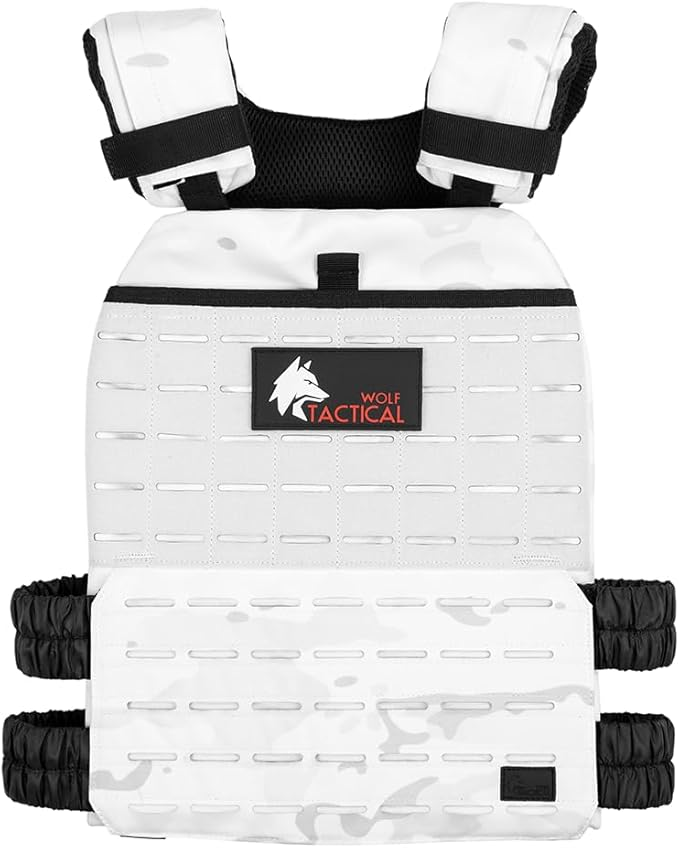
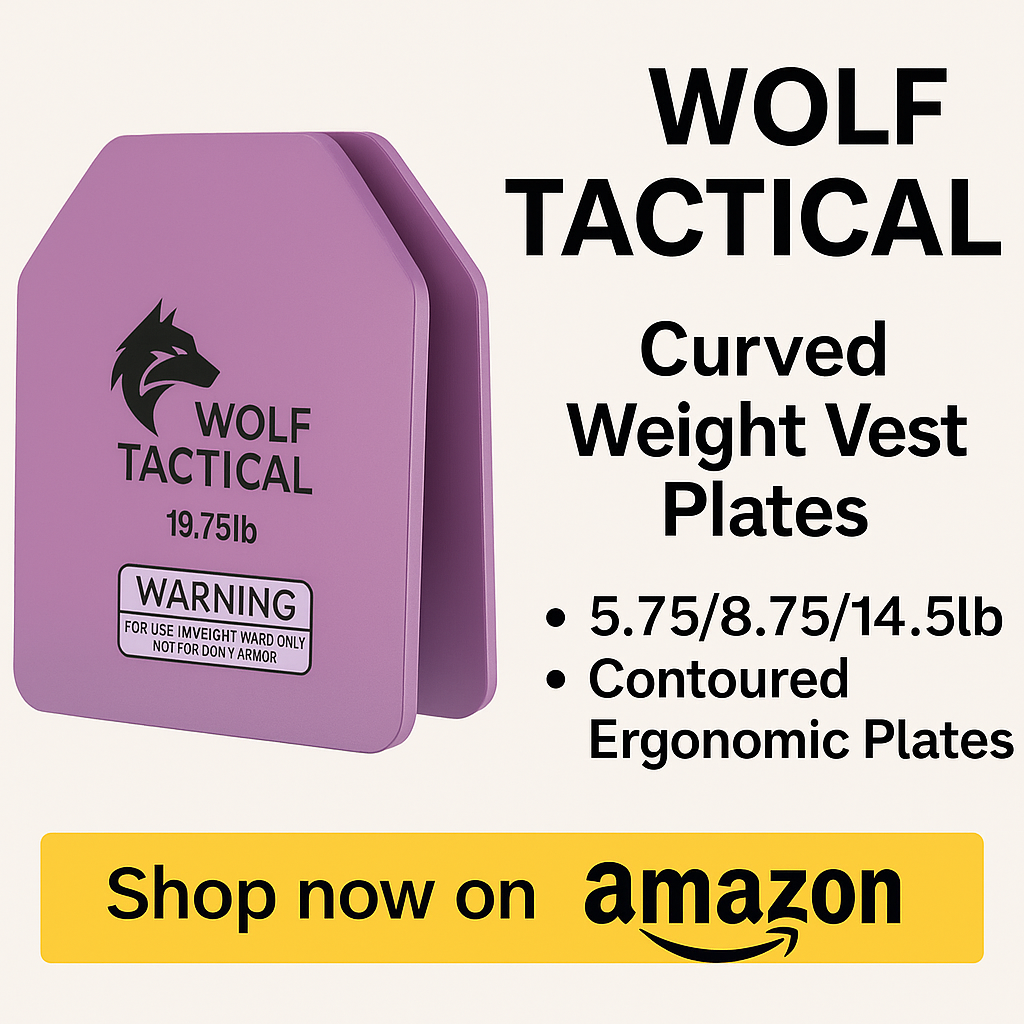
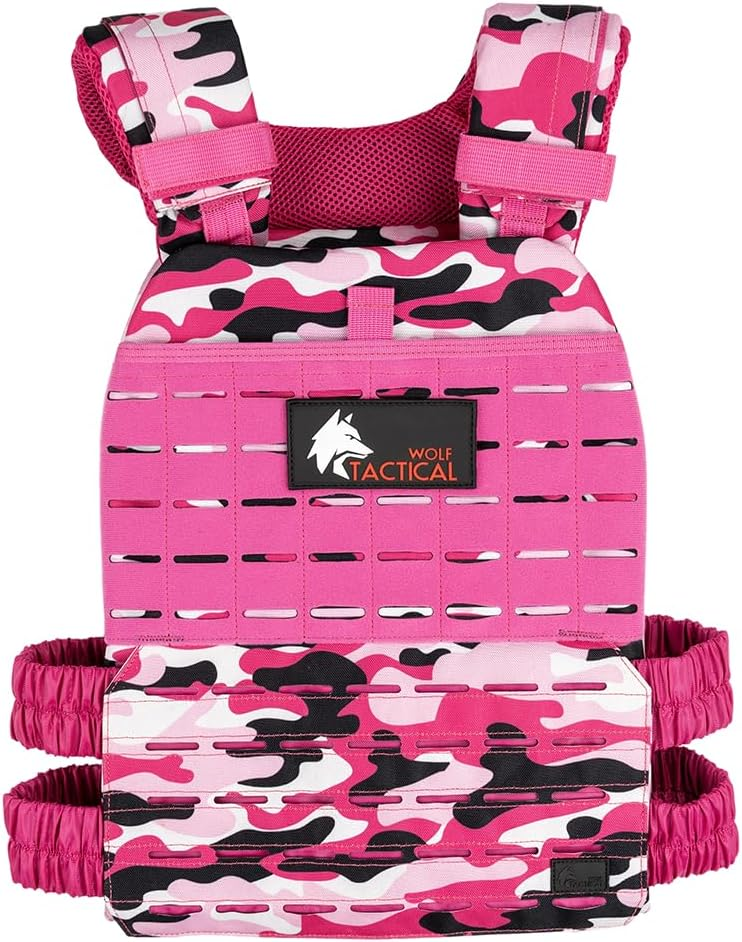
For a balance of comfort and modular loading, the Wolf Tactical Adjustable Weighted Vest handles smaller plate arrays and is easier to wear for longer rucks or conditioning sessions. It’s a good bridge between lightweight plate work and full-strength loading.

Programming and safety tips
Start light. Master movement patterns with partial plates before stacking heavy. I recommend these steps:
- Use a 5–10% bodyweight starting point for conditioning walks or tempo rucks.
- Add 5–10 lb increments for strength-focused sessions; avoid rapid jumps in load without technique rehearsal.
- Prioritize core and hip stability: heavy plates shift your center of gravity and expose weak linkages.
- Limit heavy eccentric loading frequency — heavy plate sessions are taxing and need recovery days.
Estimate calorie burn with a simple calculator
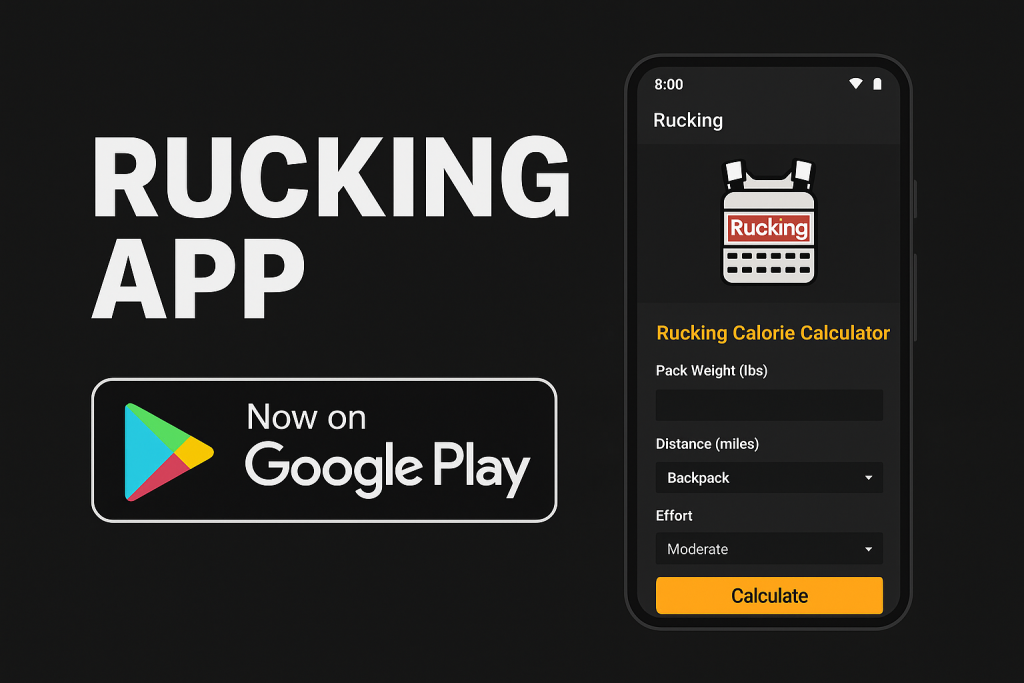
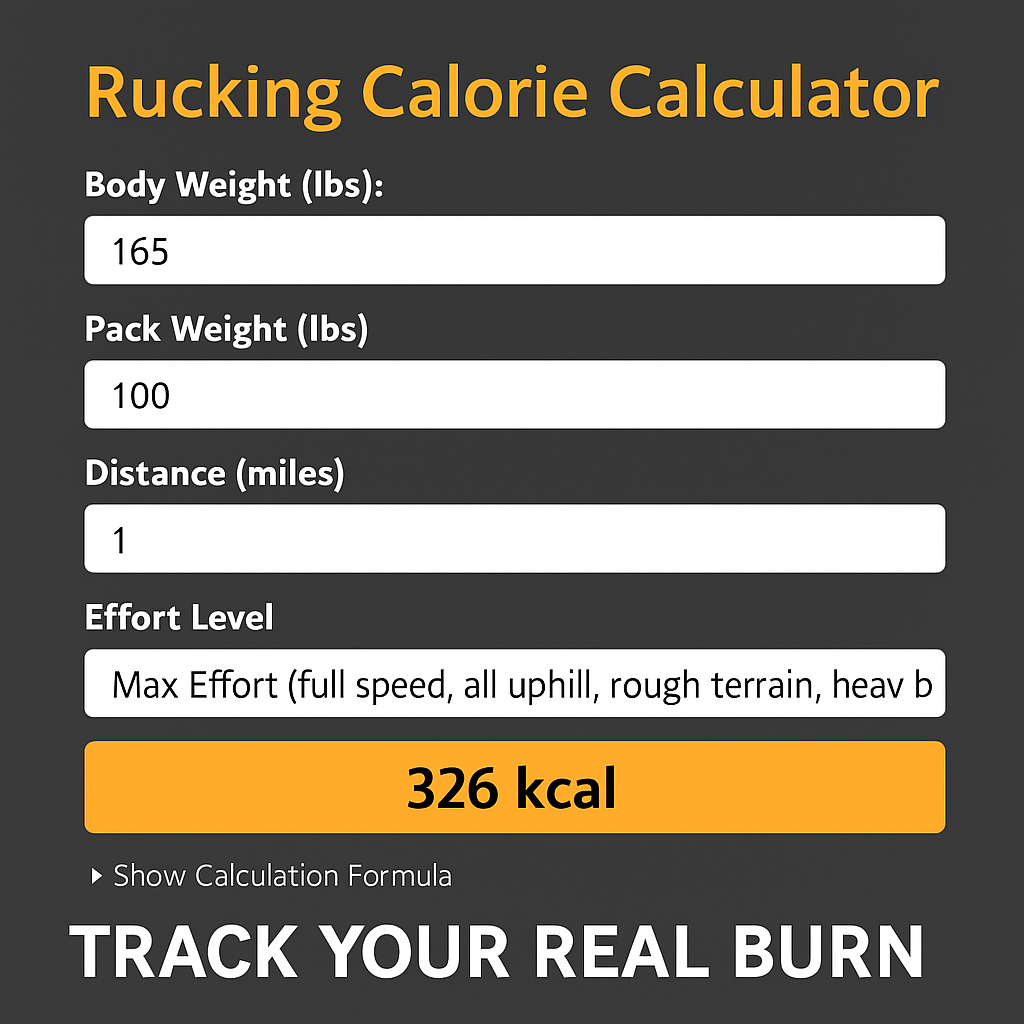
To plan weight-loss or conditioning phases, use the rucking calorie calculator for weighted-vest work. It helps you estimate calories burned for walks, rucks, and loaded sessions so you can pair training with disciplined nutrition.

Put simply: consistent, graduated plate loading plus steady nutrition will outwork short-term gimmicks. I lost 90 lbs through progressive rucking, weighted-vest training, and disciplined nutrition — weighted vests remain one of the most reliable ways to maintain a lower body weight and burn fat consistently.
Quick checklist before you buy
- Confirm plate sizes that fit the pockets (and buy plates separately).
- Try the vest with light plates for movement patterns: walk, squat, pivot, and climb stairs.
- Check warranty and reinforcement at stress points.
- Match the vest to your training: Kensui for heavy strength, Wolf Tactical for comfort and long sessions.
Choosing the right vest for weight plates reduces frustration and keeps you training consistently. Stick to simple progressions, respect recovery, and use the calculator above to track your sessions and caloric output.