Why a vest for working out matters
Choosing a vest for working out is more than style — it changes load distribution, range of motion, and how your body responds to every step, squat, and sprint. I write from experience as a trainer who programs weighted-vest work into outdoor conditioning and strength cycles. The right vest makes workouts safer, more efficient, and more consistent.
Key criteria: fit, weight, and purpose
Start by defining your training goal. Are you adding steady-state cardio load for fat loss? Do you want to increase intensity in bodyweight strength work? Or do you need a vest built to handle heavy plates for max-strength sessions? That purpose guides fit and weight choices.
- Fit: The vest should ride high on the torso and lock in without pinching the ribs. Mobility through the shoulders is essential for push-ups, presses, and carries.
- Weight type: Soft-fill vests are comfortable for walking and running; plate-compatible vests let you scale into heavier strength work.
- Adjustability: Incremental loading (5–10 lb increments) lets you progress safely over weeks.
How much weight should you use?
Beginners usually start with 5–15% of bodyweight for conditioning; experienced trainees can work up to 20–30% for loaded calisthenics or rucking. For most people, adding a modest 10–20 lb to start is the fastest way to build tolerance without wrecking form. Prioritize movement quality over ego-loading.
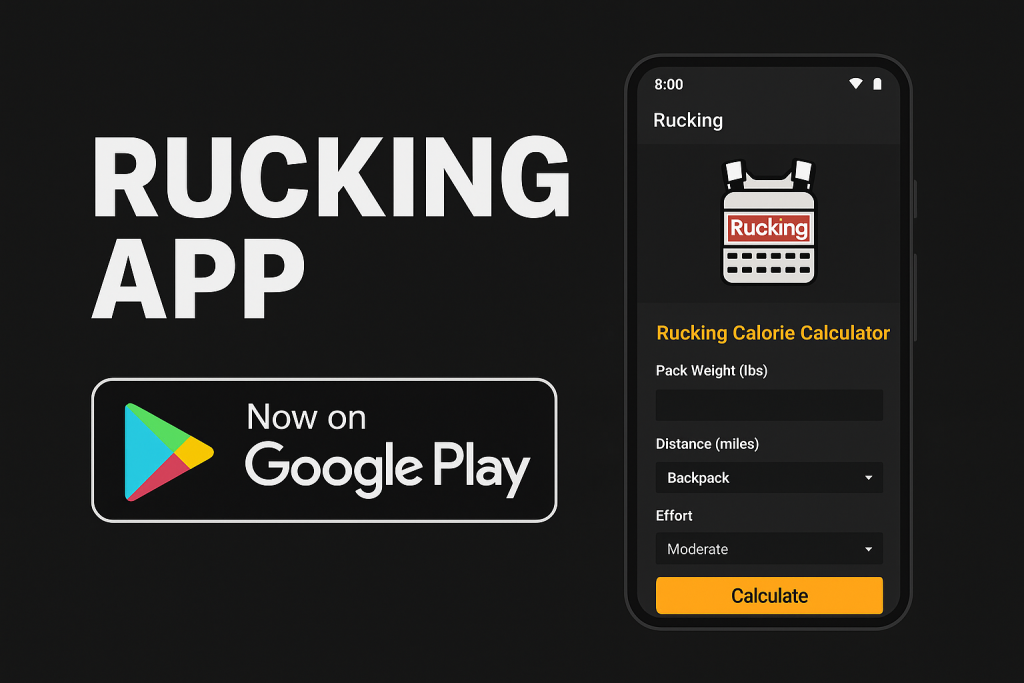
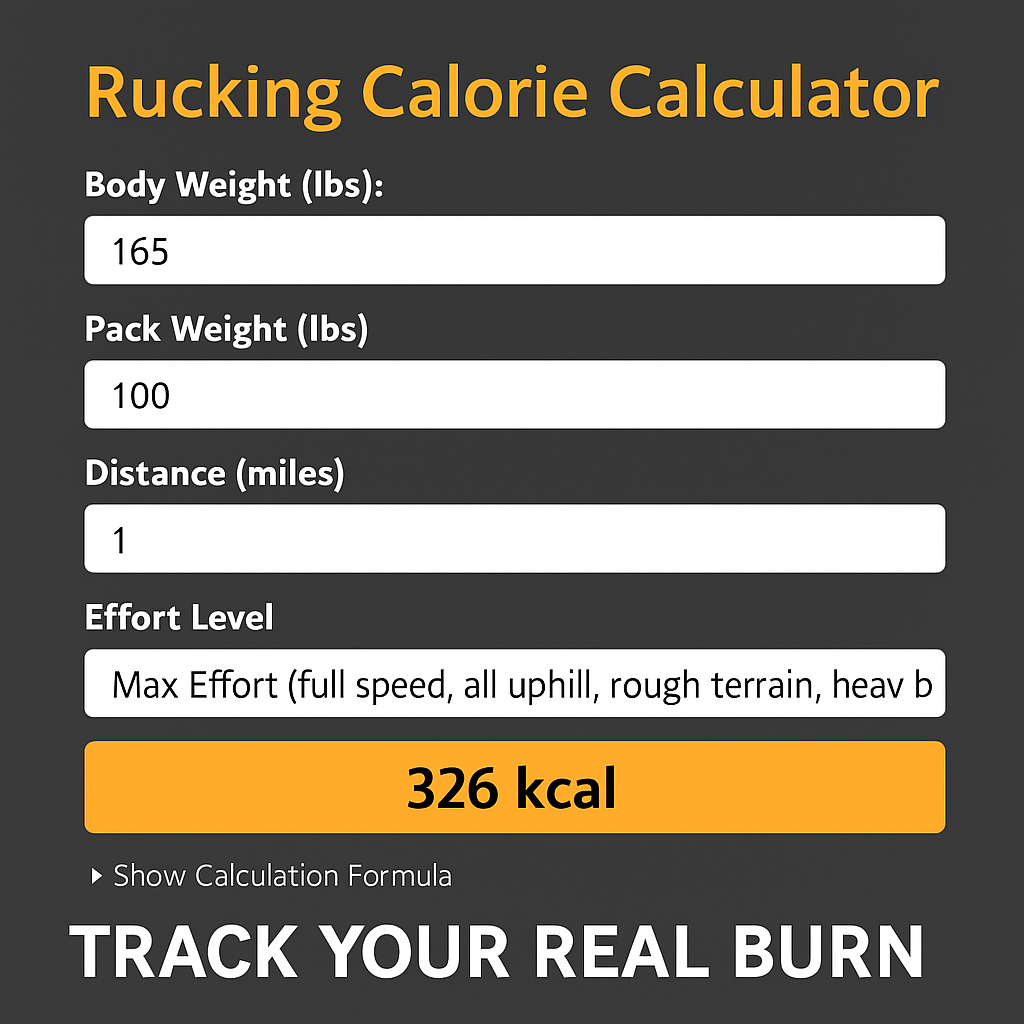
Use the rucking calorie calculator below if you want a practical estimate of how adding a vest changes your calorie burn during walks and rucks. It’s a quick way to plan sessions and recovery.

Programming vest workouts
Programming should reflect your sport and recovery. A few reliable templates:
- Conditioning: 30–60 minute brisk walk or ruck with 10–30 lb, 2–4x per week.
- Strength+conditioning: 3–5 rounds: 10 pull-ups, 15 push-ups, 20 squats wearing a vest at 10–20% bodyweight.
- Intervals: 6 x 2-minute effort with 1-minute rest while wearing a light vest for added metabolic stress.
Comfort and injury prevention
Keep sessions progressive. If your shoulders, low back, or neck flare up, reduce load and reassess vest fit. Proper posture during loaded walking and loaded squats prevents low back fatigue. Hydrate, warm up dynamically, and focus on scapular control for upper-body movements.
Product picks for different goals
Two dependable options I recommend for most users focused on comfort and versatility:

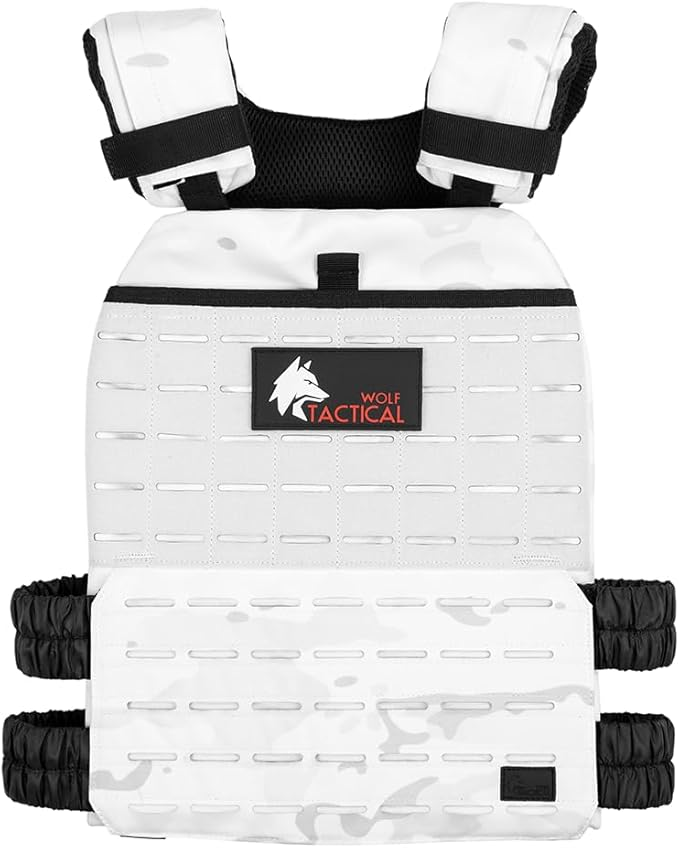
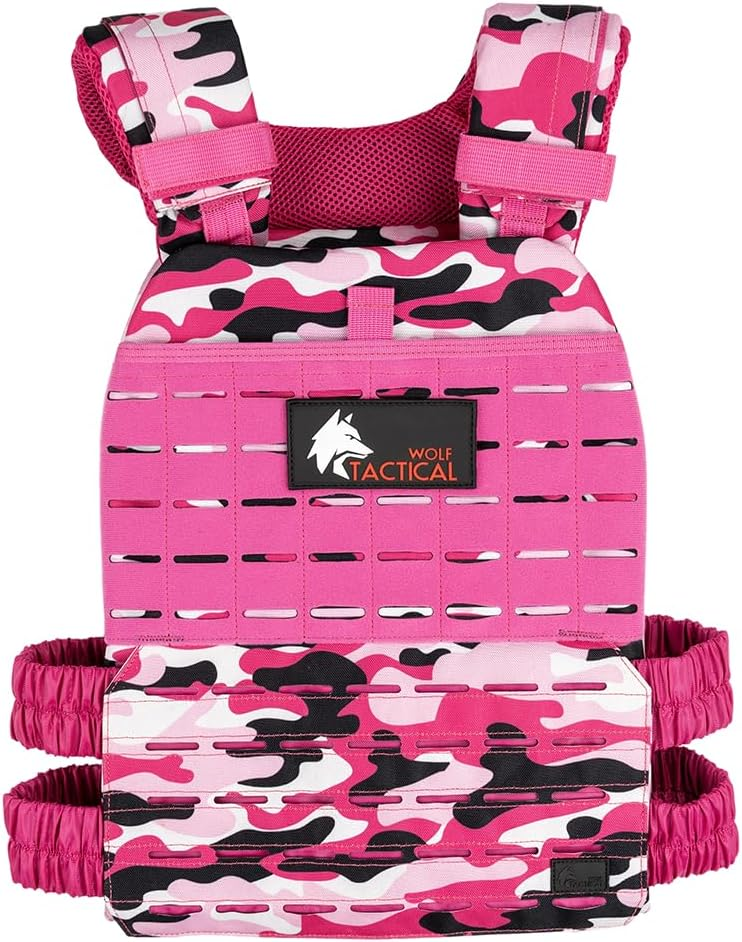
Inline option: WOLF TACTICAL Simple Weighted Vest is light, low-profile, and ideal for walking, runs, and everyday training.

Inline option: 5.11 Tactical TacTec Trainer works well if you want a tighter, performance-oriented fit that stays stable during dynamic intervals.
Quick checklist before you buy
- Try it on with the weight you plan to use — movement matters.
- Look for secure closures and padding where the vest contacts the collarbone and ribs.
- Choose plate compatibility if you intend to progress to heavier loads.
Final practical advice
Start light, prioritize movement quality, and use consistent progression. Vest training is a low-tech, high-return strategy to accelerate conditioning and fat loss when paired with sensible programming. Track sessions, listen to recovery cues, and use the rucking calorie calculator linked above to estimate energy burn for planning meals and recovery days.
Train outside when you can; load-carriage work translates directly to fitness that matters off the gym floor.