When people say “vest pro,” they’re usually talking about training with a pro-level weighted vest: dialed fit, deliberate loading, and programming that builds real-world strength and conditioning without wrecking your joints. Here’s how I coach athletes and everyday walkers to get pro results safely and consistently.
What makes a weighted vest truly pro?
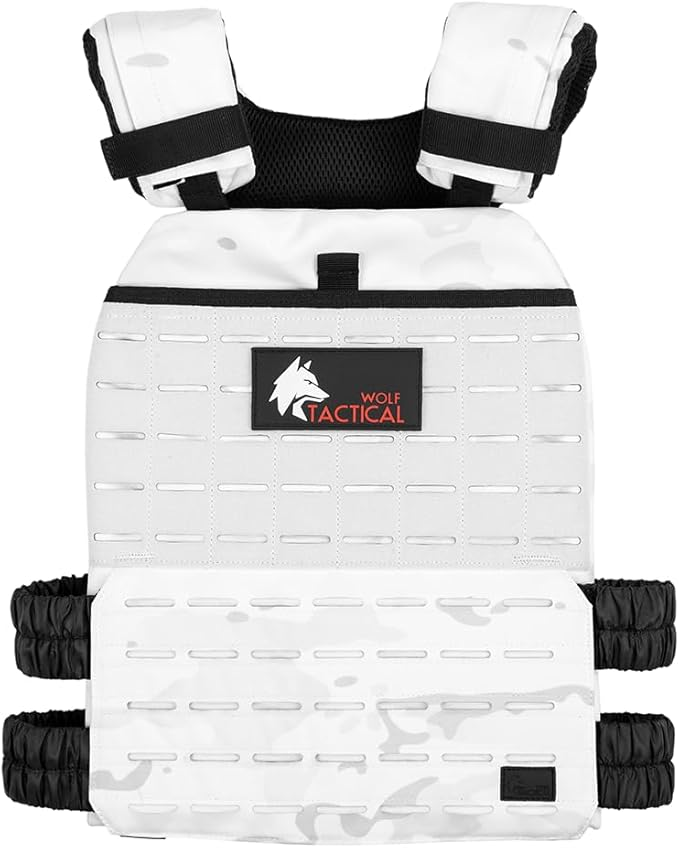
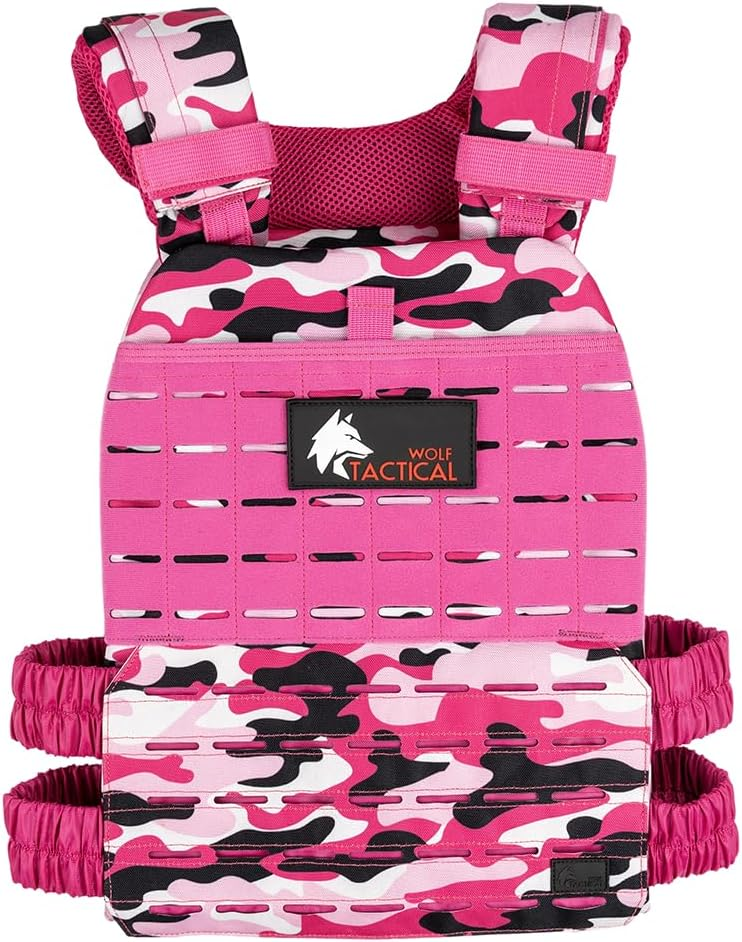
Look for details that keep the load tight to your center of mass and comfortable across longer sessions:
- Low bounce, high stability: Wide shoulder straps, solid cummerbund/side closures, and a snug front-to-back profile limit chafing and hot spots.
- Plate compatibility and adjustability: Flat steel plates or ruck plates ride closer to the torso than sand pouches, improving posture and breathing.
- Breathability: Mesh panels and tough but flexible fabrics help with heat management.
- Load range: Enough capacity for progression, but not so bulky that it shifts during jogging, stairs, or calisthenics.
Pro loading and sizing
Pick a starting weight that matches your goal, not your ego. A simple framework:
- Endurance/zone 2 walks: 5–12% of bodyweight for 30–75 minutes. Breathe through the nose and keep conversation pace.
- Hills, stairs, tempos: 8–15% for 20–40 minutes. Posture tall, short steps, light foot strike.
- Strength circuits/calisthenics: 10–25% for 15–30 minutes depending on exercise difficulty (pull-ups and dips need less; squats and lunges can take more).
Fit checklist:
- Vest sits high on the torso, doesn’t slam into the hips or belly when stepping down.
- Snug enough that you can jog 10–20 steps with minimal bounce.
- Breathing unrestricted—if you can’t take a full breath, loosen a notch.
Simple “Vest Pro” sessions
- Zone 2 Weighted Walk (30–45 min): 5–10% bodyweight, flat route, nasal breathing. Finish with 5 minutes easy cooldown.
- Hill Repeats (20–30 min): 6–12% bodyweight. Walk up a moderate hill 2–4 minutes, easy walk down. Repeat 5–8 times.
- Calisthenics Ladder (15–20 min): With 8–15% bodyweight: 1–5 rounds of 5 push-ups, 5 squats, 5 rows or band pulls; rest 60–90 seconds.
Plan your energy burn
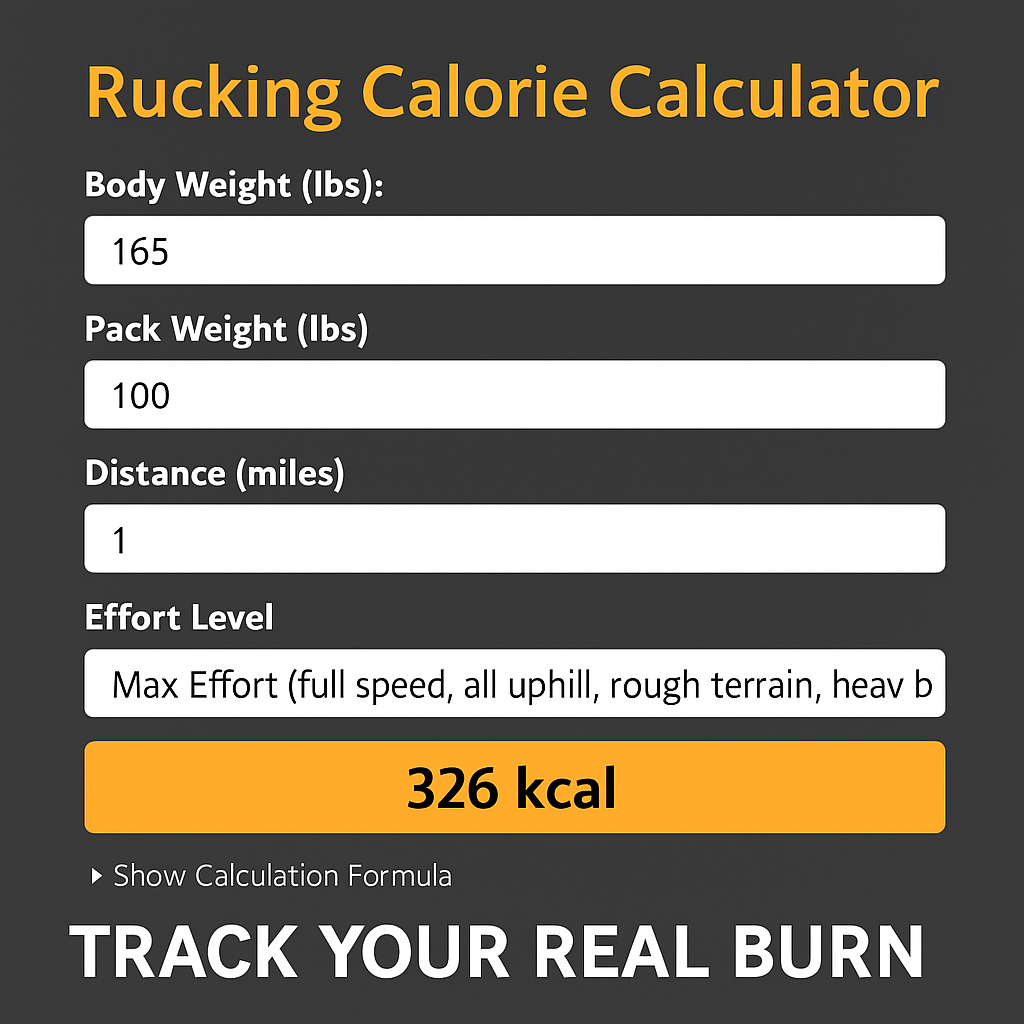
Calories are a simple reality check for effort. Use this calculator to estimate burn based on distance, time, pace, and load. I treat it as a planning tool, then verify with heart rate and perceived exertion.

Pro gear picks
If you’re building a “vest pro” setup, invest once and train for years. Two standouts I rely on:
5.11 Tactical Unisex TacTec Trainer Weight Vest — stable, breathable, and rugged for daily use.

Kensui EZ-VEST MAX V2 — best-in-class for heavy calisthenics with barbell plates (pull-ups, dips, squats).

Safety, recovery, and common mistakes
- Progress slowly: Add 2–5 lb at a time or extend sessions by 5–10 minutes. Never change both in the same week.
- Posture first: Ribs down, head tall, eyes forward, arms relaxed. If your low back or knees complain, reduce weight and shorten your stride.
- Footwear & surface: Choose supportive shoes and forgiving terrain (track, gravel path, grass) while you adapt.
- Heat management: Take breaks, hydrate, and open the vest briefly to dump heat if needed.
- Recovery: Easy walking or mobility the day after hard sessions; sleep 7–9 hours; protein at 0.7–1.0 g/lb bodyweight.
A “vest pro” approach isn’t about smashing yourself—it’s about repeatable sessions that stack up week after week. Get the fit right, start light, and progress with intent.