Why the Vmax weight vest matters for real-world conditioning
The Vmax weight vest is a simple tool that turns regular walking, rucking, and bodyweight work into high-return conditioning. Used properly, vests increase calorie burn, build posture and hip stability, and make everyday carries feel easy. This guide explains practical setup, programming, and how to track results without overcomplicating training.
Fit and load: the basics
Fit affects comfort and performance more than brand. Aim for a snug, low-profile fit so the load sits close to your center of mass. Too high or loose and the vest will bounce, irritate your shoulders, and change your gait. For beginners, I recommend starting light and adding 2–5% bodyweight every 1–2 weeks.
- Start with 5–10% bodyweight for walking and conditioning.
- Progress to 10–20% for longer rucks or tempo sessions.
- Use a heavier vest (or plates) only after you’ve spent several months building base volume.
Programming the Vmax weight vest
Program around purpose: fat loss, conditioning, or strength carry. For fat loss, favor steady-state weighted walks 3–5x per week at conversational pace for 30–75 minutes. For conditioning, add interval hill rucks or 10–20 minute tempo blocks with short rests. For strength and power, pair the vest with bodyweight sets—push-ups, lunges, or short prowler pushes.
Sample 4-week beginner plan
Week 1: three 30-minute walks at 5–10% bodyweight. Week 2: add one 40-minute session. Week 3: two 45-minute walks, one hill interval. Week 4: consolidate volume and add light loaded bodyweight circuits twice. Keep intensity conversational on long walks and reserve hard efforts for once-per-week intervals.
Nutrition and tracking
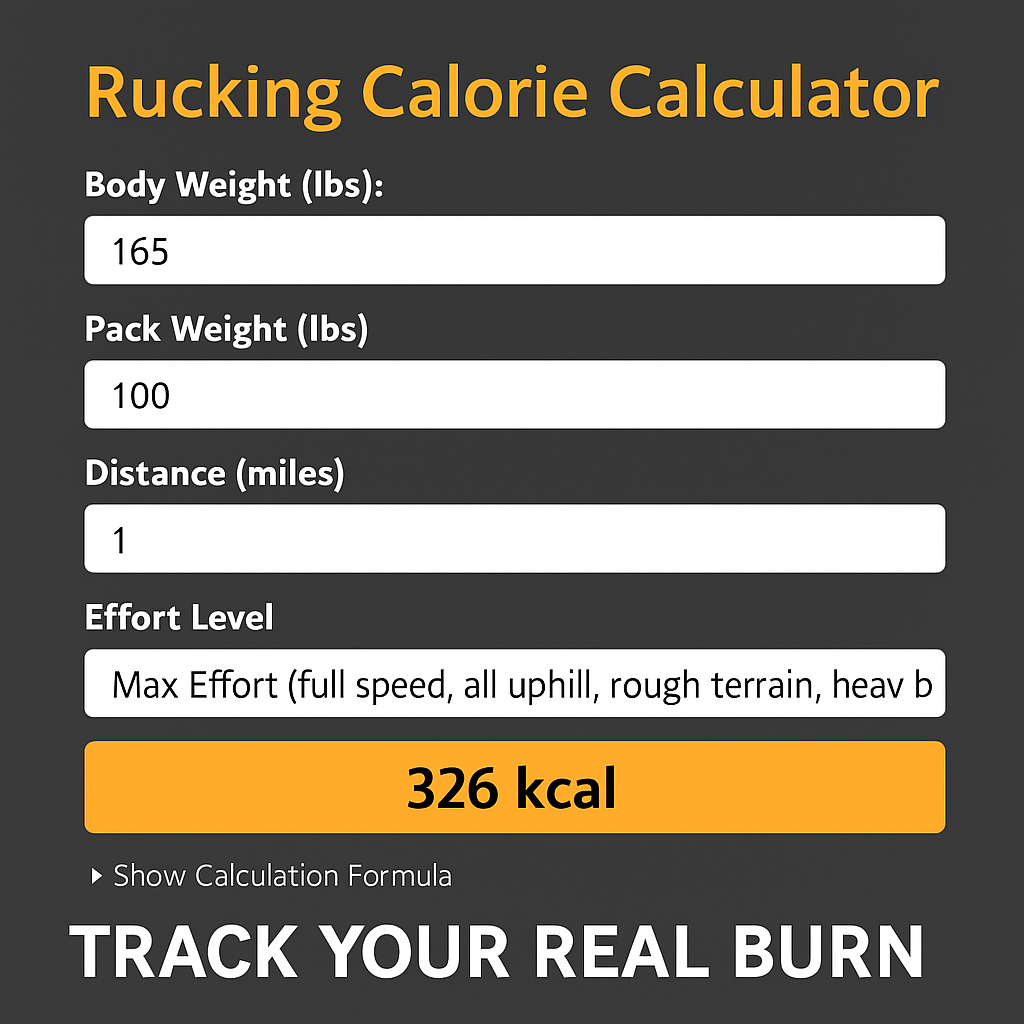
Consistent caloric tracking and modest deficit are key for weight loss. Use a rucking calorie calculator to estimate session energy cost and adjust intake accordingly. The calculator helps set targets based on load, pace, and duration; it’s a practical tool I use with trainees to prevent under- or over-eating.

Product recommendations for Vmax-style training
For most people using a Vmax-style vest for walking and rucking, a comfortable, low-bounce vest is ideal. I often direct beginners toward reliable, affordable options that stay low and lock the load in place.
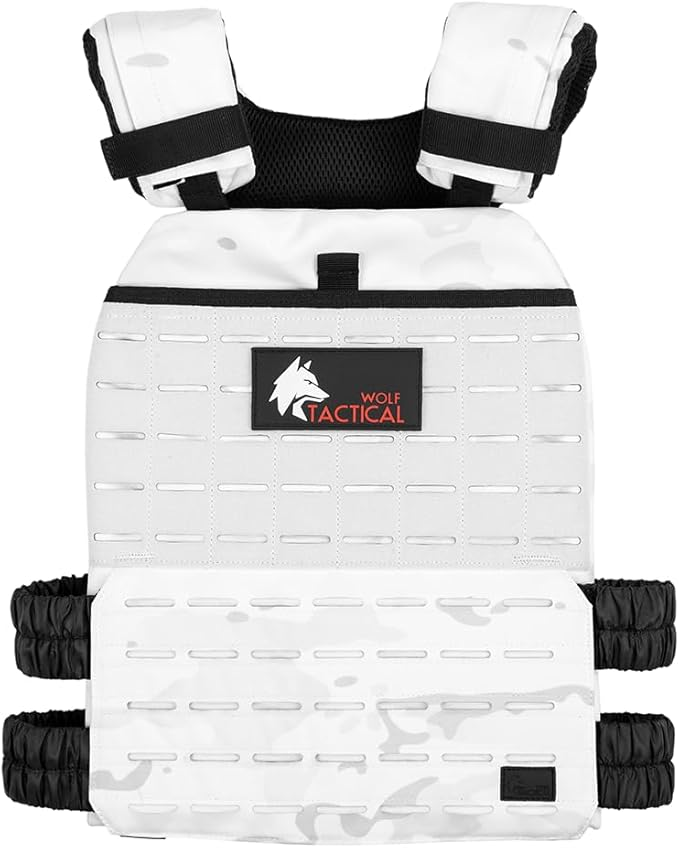
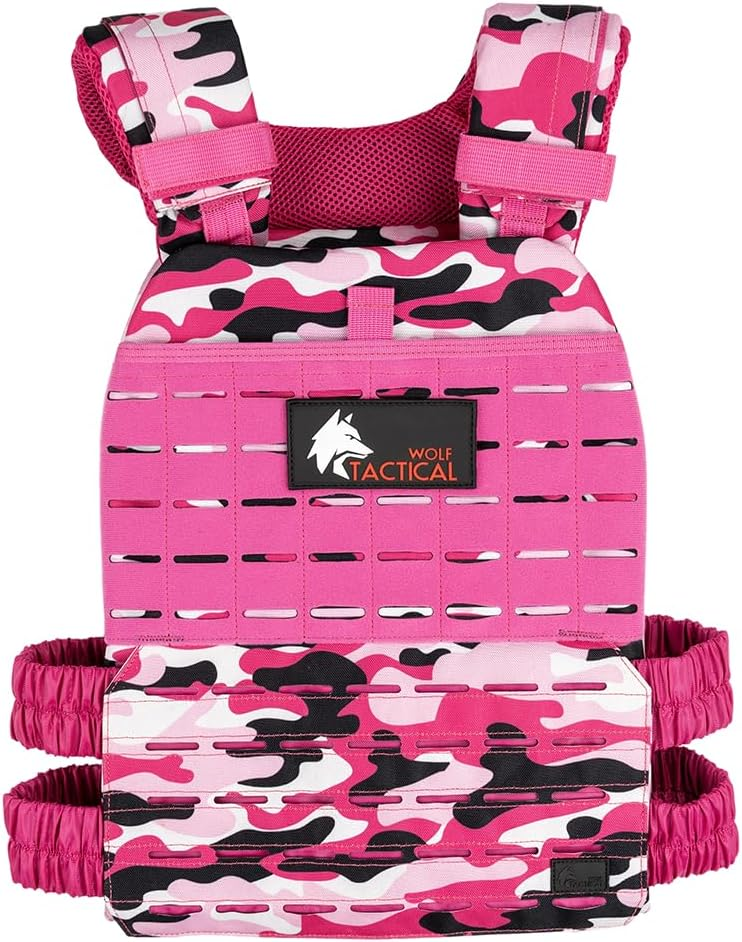
One solid choice is the Wolf Tactical Simple Weighted Vest. It’s predictable, fits a range of bodies, and is easy to load for walking sessions.

If you want a trainer-grade vest with modular loading for progress, the 5.11 TacTec Trainer Weight Vest is a rugged option that handles heavier sets and tempo work.

Coaching note from the founder
As the founder who built a program around weighted vests and rucking, I tell trainees: consistency beats ego. I lost 90 lbs through disciplined rucking, weighted-vest training, and nutrition—small progressive steps deliver long-term change. Use the vest to build daily movement habits, not just as a one-off test of will.
Keep sessions consistent, focus on posture, and use the calculator above to tailor calories. Vests like the Vmax are tools—treat them that way and they’ll reward you with safer, faster progress.