What is a weight suit and who should use one?
A weight suit is a full-body garment designed to add distributed resistance across the torso and limbs. Unlike a single weighted vest or plate carrier, a weight suit spreads load more evenly and can be useful for sport-specific training, gait adaptations, and progressive overload without the jostle of plates. For most ruckers and outdoor athletes, a traditional weighted vest or ruck backpack remains the simplest option, but a weight suit can be effective for controlled conditioning and mobility-driven sessions.
Key differences vs. a weighted vest
- Distribution: weight suits disperse mass across the body; vests concentrate load on the chest and upper back.
- Movement: suits can allow a more natural center of mass but may restrict certain ranges of motion depending on design.
- Comfort: suits reduce plate bounce but can trap heat—important for long outdoor rucks.
When to choose a weight suit
Use a weight suit when you want a consistent, low-profile load for conditioning drills, running intervals, or sport-specific movement patterns. If your goal is long-distance rucking, heavy strength loading, or carrying plates, a ruckpack like a GORUCK or a plate carrier is usually better. If you’re focused on adding resistance without changing posture drastically, a suit can be a useful bridge between bodyweight work and weighted vest training.
Practical sessions with a weight suit
- Short tempo runs or intervals: 10–20 minutes with light added weight to teach mechanics.
- Mobility + strength circuits: pair controlled squats, lunges, and push patterns with the suit for 20–30 minutes.
- Walks with progressive duration: start at 20–30 minutes and add five minutes weekly to build tolerance.
Safety and progression
Start light. A weight suit changes load distribution and can reveal weaknesses in the hips, core, and thoracic mobility. Begin with short sessions, monitor joint pain, and prioritize technique. If you feel compensatory rounding or knee instability, step back to bodyweight or a lightweight vest and address mobility and strength.
Tips for outdoor training
- Hydration: suits can trap heat—carry fluids and plan cooler times of day.
- Layering: wear breathable base layers under the suit to reduce chafing.
- Pair with a ruck for advanced sessions: use the suit for conditioning and a ruck for load carriage practice.
Estimate calorie burn for weighted sessions
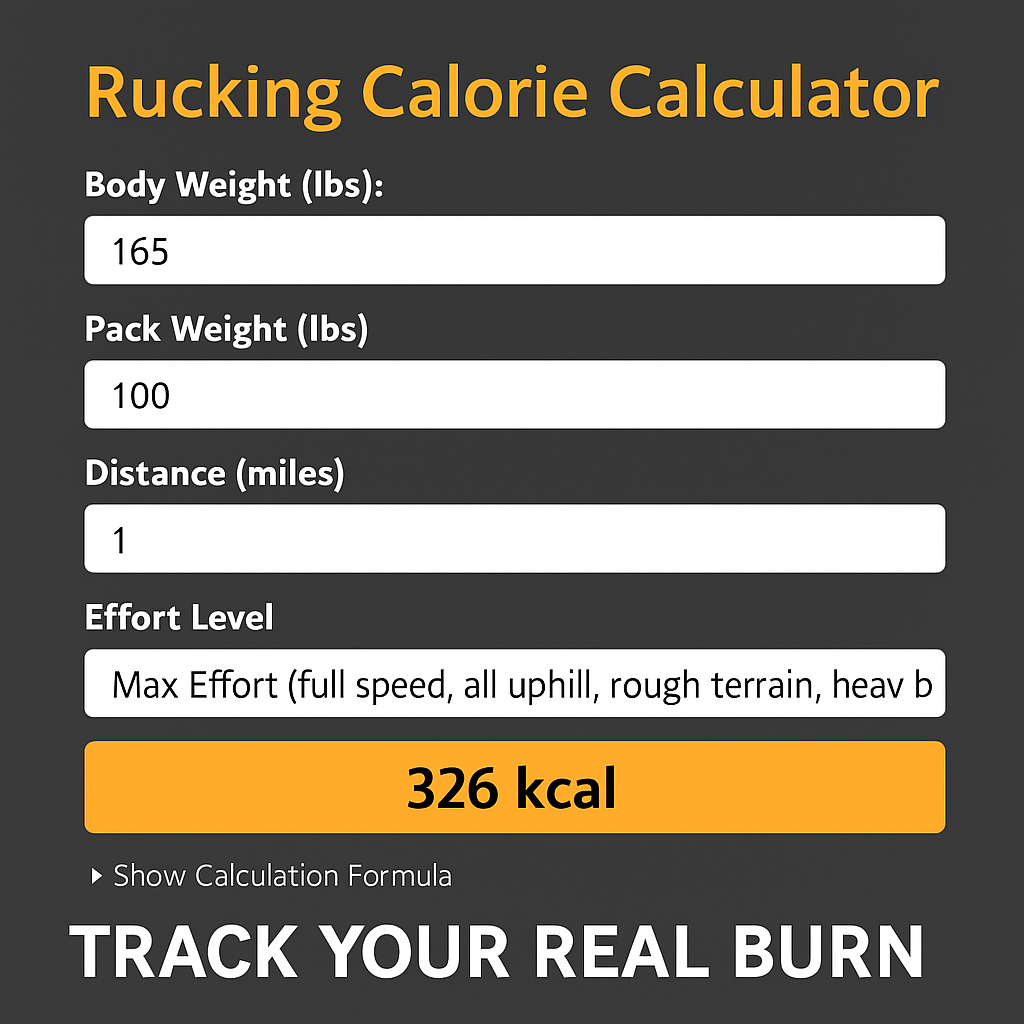
To estimate how many calories you burn wearing a weight suit during a walk or ruck, use this calculator. It’s designed for rucking and weighted-vest work and applies to paced walks or loaded sessions with a distributed load.
Use the Rucking Calorie Calculator

Recommended gear options
If you want a heavy, plate-capable option that behaves like a suit for high-load training, the Kensui EZ-VEST® MAX V2 lets you add very large loads while keeping plates secure for conditioning and strength work.

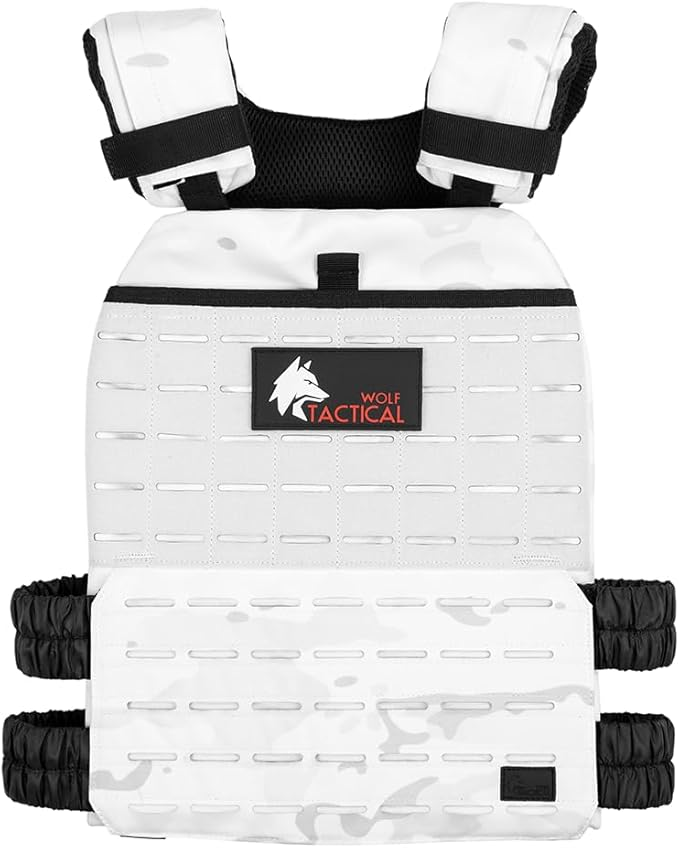
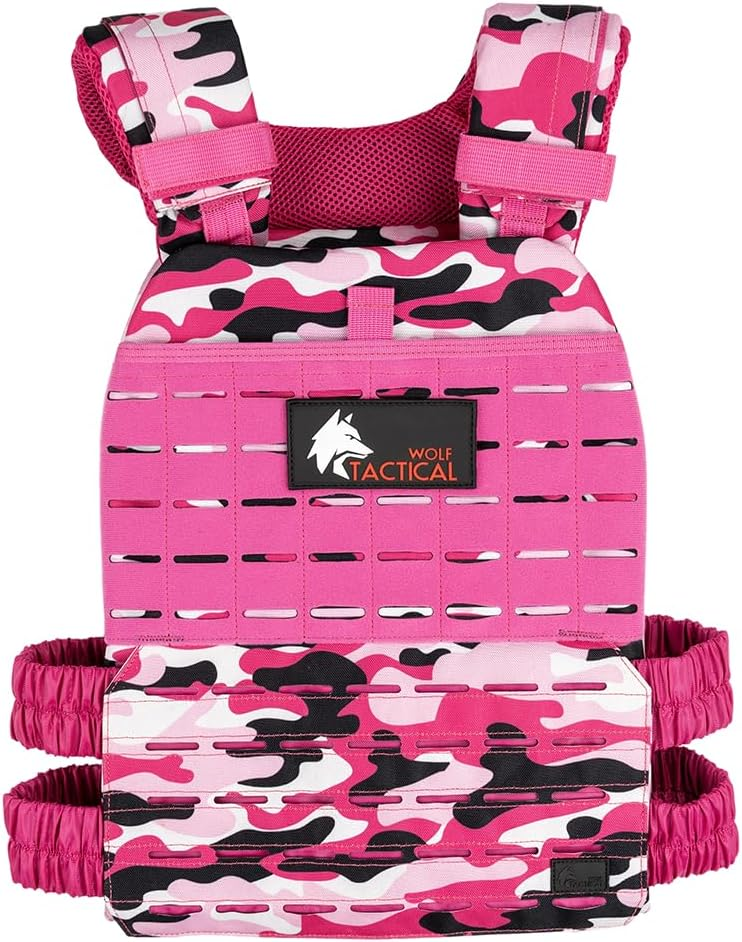
For a comfortable, lower-profile option that behaves like a suit for mobility and walking, consider the WOLF TACTICAL Simple Weighted Vest (Men/Women), which works well for longer sessions where comfort and fit matter.

Final take
Weight suits have a place in an athlete’s toolbox, but they’re a niche tool. For most outdoor rucking and fat-loss work, a well-fitted weighted vest or ruck backpack gives better practicality. If you choose a suit, start light, progress conservatively, and use the calorie calculator above to track energy expenditure during loaded work.