Why use a weight training plate carrier?
A plate carrier moves the load from the shoulders into a compact vest around the torso, letting you add heavy plates for calisthenics, sandbag-style carries, or rucking without the bounce of a backpack. For strength-focused sessions and short, heavy-loaded walks, a plate carrier gives cleaner movement, better load alignment, and more durable comfort than most backpacks.
Basic fit and setup
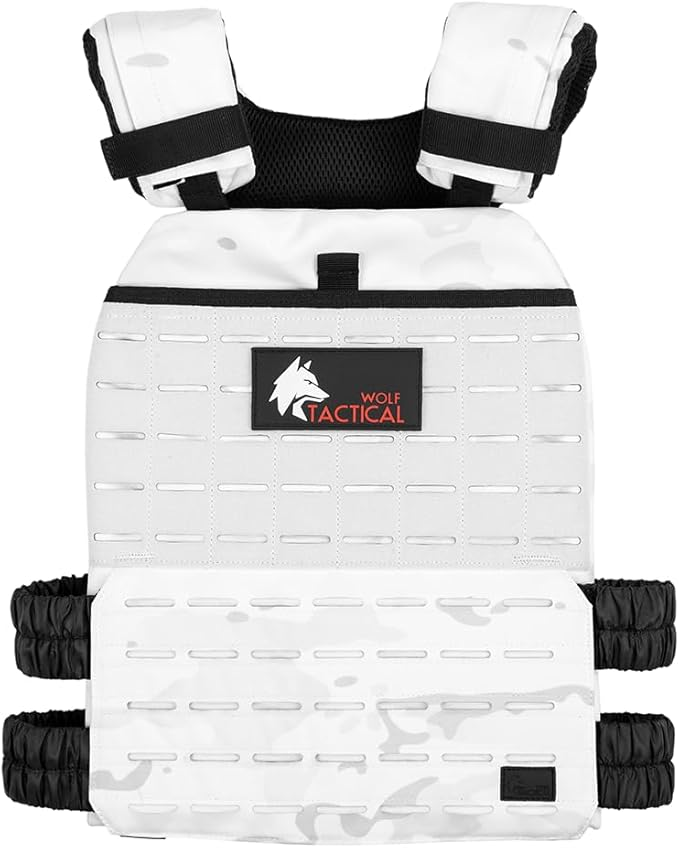
Fit matters more than brand. A plate carrier should sit high on the chest and back, locking plates over your sternum and between your shoulder blades. Too low and the weight leverages your lower back; too high and it pinches the neck. Look for adjustable shoulder straps and a secure cummerbund or side straps to prevent shifting during loaded squats, lunges, and sprints.
- Start unloaded to dial in strap length and plate placement.
- Use plates that match the carrier’s pocket dimensions—cuts and offsets matter.
- Keep the center of mass close to your spine for safer movement patterns.
Choosing plates
Steel or solid rubber plates with minimal movement inside the pockets are best. If you plan ballistic work or agility ladders, choose thinner plates and distribute weight evenly. For heavy strength sessions, fewer dense plates keep the carrier profile low and the feel stable.

Interested in a heavy-duty carrier? The GORUCK Ruck Plate Carrier 3.0 is built for load stability and long-term abuse during rucks and short, weighted circuits.
Programming and progressions
Treat a plate carrier like a progressive overload tool. Use it to add incremental resistance to walking, lunges, step-ups, pull-ups, and push-ups. Keep volume lower when you first add torso-mounted weight—the nervous system and connective tissue need time to adapt.
- Week 1–2: short sets (2–4 reps for strength moves) and unloaded movement drills with the carrier on for 10–15 minutes.
- Week 3–6: add plates in 5–10% bodyweight increments and prioritize movement quality.
- Conditioning: use short rucks (20–45 minutes) or interval-loaded carries to train both strength and work capacity.
Safety tips
Breathe into the belly and brace the core before each rep. If you feel pinching at the clavicle or numbness down an arm, lower the load and reposition straps. Don’t substitute heavy carrier sessions for technique work—maintain hinge patterns and scapular control.

For maximal strength and heavy calisthenics, consider the Kensui EZ-VEST® MAX V2, which is designed to take very heavy loads with controlled plate placement.
Use the calorie calculator to plan sessions
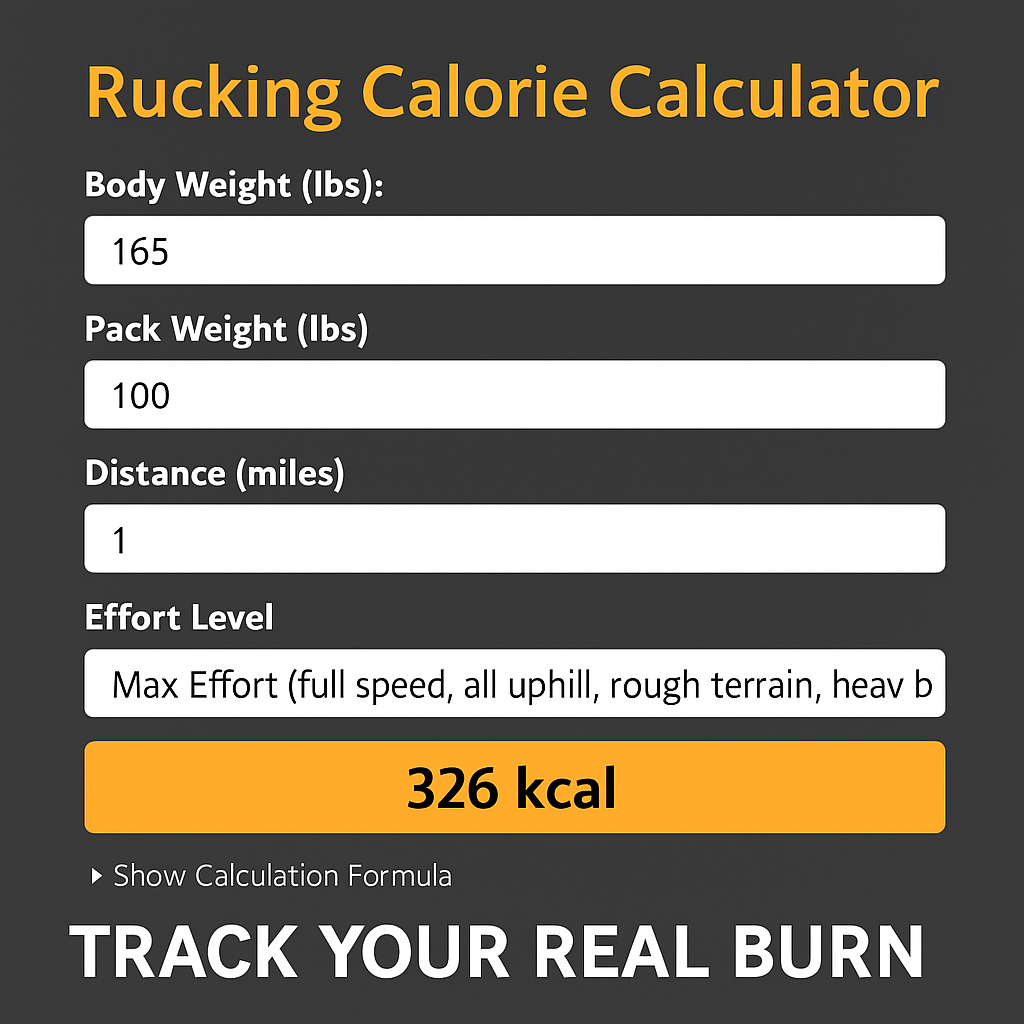
Track how added load changes your session energy cost. Use the rucking calorie calculator to estimate burn for weighted walks and loaded conditioning.

Use that estimate to pair nutrition and recovery with heavier weeks. Start conservative on calorie deficits if you’re also trying to gain strength—preserve performance while losing fat.
Final notes
A plate carrier is a simple, effective tool for blending strength and loaded conditioning. Focus on fit, plate selection, and slow, consistent progression. When in doubt, drop weight and fix technique—your shoulders and spine will thank you.