Why choose a weight vest for plates?
A weight vest for plates gives you scalable, durable loading for strength, calisthenics, and serious rucking. Plate-loaded vests let you add heavy increments and concentrate mass on the torso rather than limbs, which preserves natural movement while increasing carry load. This guide covers fit, plate types, safe progressions, and practical programming so you can use a plate vest without breaking form or risking injury.
Key benefits
- Precise loading: use standardized plates for predictable progress.
- Durable construction: plate carriers and heavy vests are built for higher loads.
- Versatile training: suited for weighted pull-ups, dips, rucking, and loaded carries.
Fit and construction: what matters
For plate vests, fit is everything. A vest that rides up or shifts will change your center of mass and create hotspots. Look for a low-profile plate pocket, wide adjustable shoulder straps, and a secure cummerbund. If your training mixes heavy strength work with long rucks, choose a plate carrier shaped for torso ergonomics rather than a workout vest built only for aesthetics.
Plate compatibility and types
Plates used in vests come in cast iron, steel, or specialized ruck plates. Steel and iron plates are compact and heavy; ruck plates may be thicker or shaped to distribute weight. Confirm plate size (width/height) and thickness to ensure they sit flat in the vest pocket. For progressive overload, use pairs of plates so the load stays balanced front-to-back unless the vest is designed for stacked front/back placement.
Programming and safe progressions
Start light. For conditioning rucks or walks, begin at 5–10% of body weight and increase by 5% increments weekly if you have no joint pain. For strength work (weighted pull-ups, dips, pistol progressions), increase load in smaller jumps that allow completion of sets with clean technique. Monitor posture, breathing, and gait when you add significant weight—form breakdown is the first sign to reduce load.
Quick safety checklist
- Secure plates so they don’t shift mid-rep.
- Balance front and back loading when possible.
- Prioritize movement quality over absolute weight.
- Use loaded walks to habituate spinal compression before heavy lifts.
Recommended plate-compatible options
If you’re serious about plate-loaded training, consider models designed for heavy loads and modular plate placement. For extremely heavy strength work, the Kensui EZ-VEST® MAX V2 is built for very high capacities and durable performance.

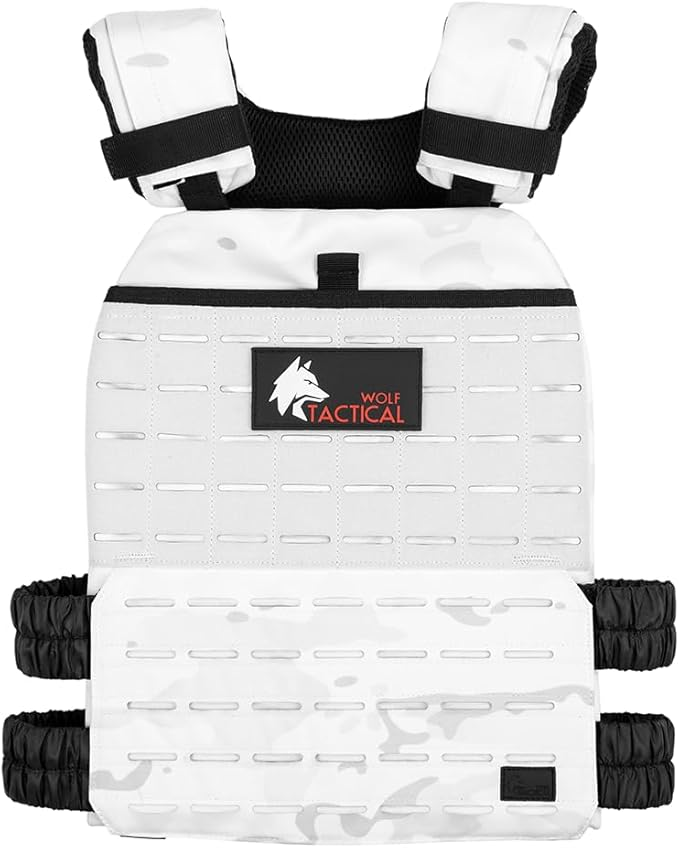
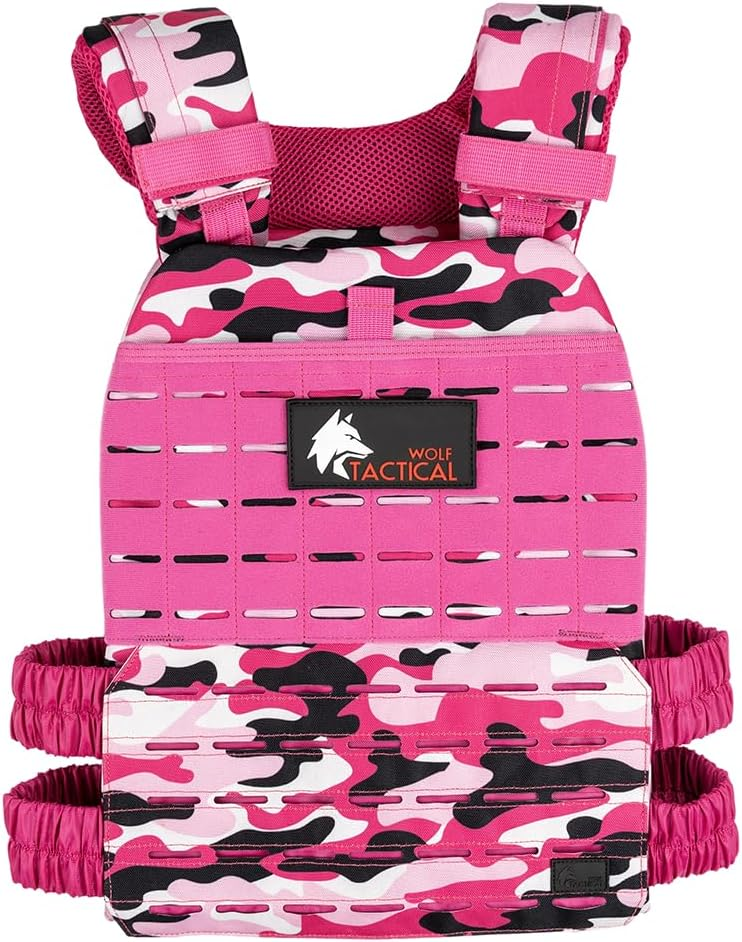
For modular plate options and replacement plate packs, the WOLF TACTICAL Weight Vest Plates (pairs) are convenient for adding incremental load to many plate vests.

Calculate calories and plan progress
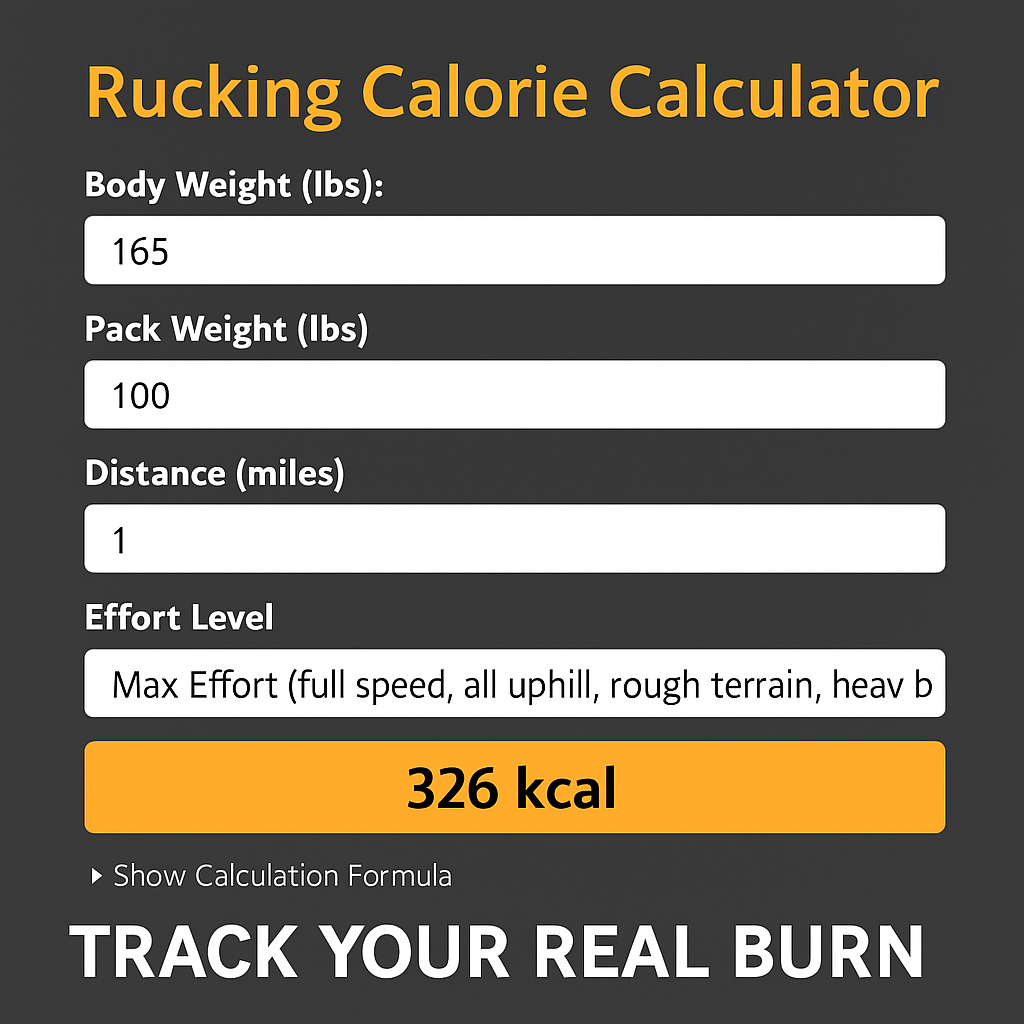
When you add a weight vest for plates to walking, rucking, or circuits, your calorie burn changes. Use the rucking calorie calculator to estimate energy expenditure and set realistic goals for fat loss or performance adaptation.

Final recommendations
Choose a vest and plate system that fits your primary training goal. If you prioritize heavy strength and incremental loading, a high-capacity vest like the Kensui works best. If you need modular plates to tune loads across workouts, pair a sturdy vest with sold plate pairs. Always start conservatively, focus on movement quality, and use rucked walks as a low-risk way to adapt your body to higher compressive loads.
Consistency with load progression and sensible programming will yield the best results. A weight vest for plates is a tool—use it deliberately.