Weight vests can turn everyday movement into effective strength and conditioning. Before you strap on extra pounds, understand the real-world weight vest training pros and cons, plus simple ways to stack the benefits and reduce the risks.
Pros of weight vest training
1) More work in less time
Added load increases intensity at a given pace. Walking, hiking, stairs, and bodyweight circuits with a vest raise heart rate and perceived exertion, helping you hit training effect without sprinting or adding long sessions.
2) Stronger bones and connective tissue
External load provides osteogenic stimulus (weight-bearing stress) that can support bone density when progressed gradually. Tendons and ligaments adapt too—great for durability when you also lift and move well.
3) Functional strength and posture
A vest challenges core bracing and scapular positioning while your hands stay free. Squats, lunges, step-ups, push-ups, pull-ups, and hikes feel like practical, real-life loading.
4) Cardio with purpose
Steady, low-impact movement with load improves aerobic capacity and work capacity. It’s a sustainable way to build “engine” while protecting joints compared to high-impact running—especially on trails or soft surfaces.
Cons—and how to manage them
1) Joint loading and impact
Extra weight increases ground reaction forces. Start light (5–10% of bodyweight), favor soft surfaces, and progress weekly volume or load—not both. Keep strides short, posture tall, and avoid running until you’ve banked a few solid weeks of loaded walking.
2) Fit, chafing, and breathing
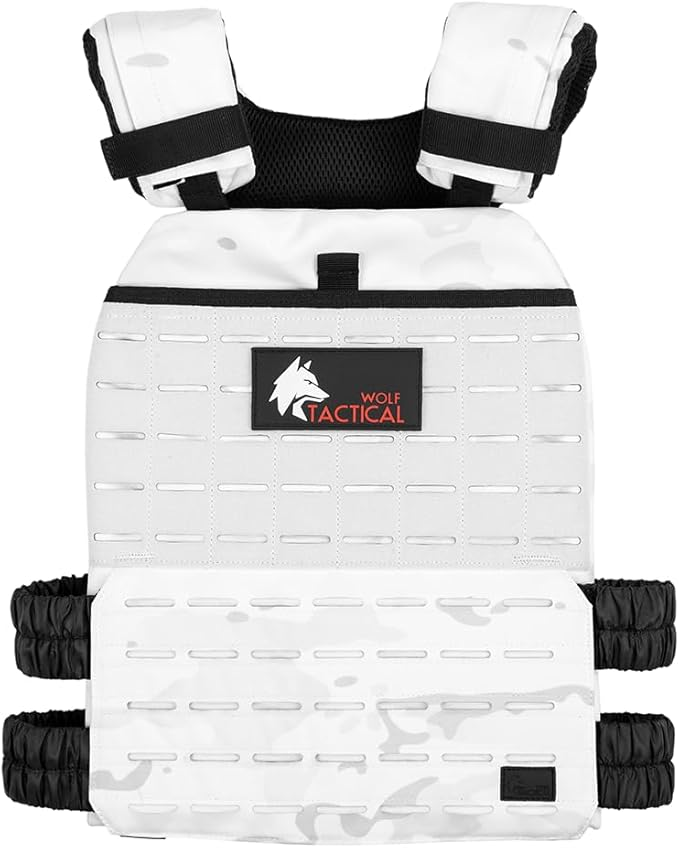
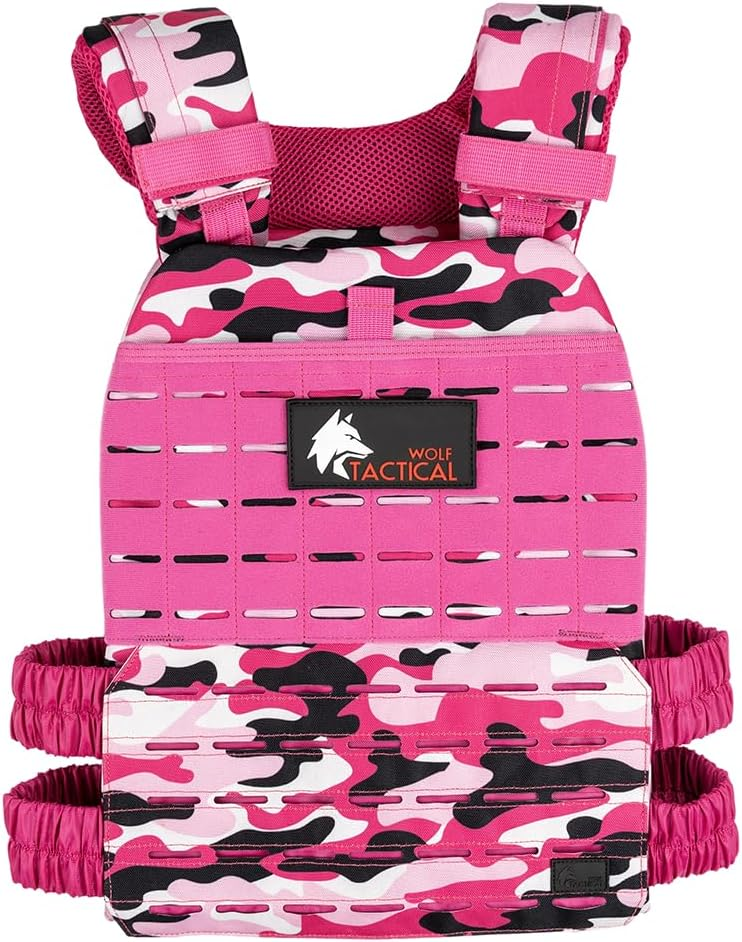
Poorly fitted vests bounce, rub, and restrict expansion. Choose a snug, adjustable vest that rides high on the torso and cinches at the sides/shoulders. For comfort-first or beginner use, I like the Wolf Tactical Adjustable Weighted Vest for its breathable mesh and easy plate swaps.

If you want a premium harness with excellent stability and padding, the 5.11 Tactical Unisex TacTec Trainer Weight Vest is a solid option for mixed conditioning and calisthenics.

3) Heat and hydration
Vests trap heat. Train earlier or in shade, loosen the vest slightly for airflow, and sip fluids regularly. Shorten sessions in hot weather and use wicking layers to reduce friction.
Who should use a vest—and how to start
- Beginners: 5–10% of bodyweight for 20–40 minutes, 2–3 times per week. Add 5–10 minutes or 2–5 lb every 1–2 weeks.
- Intermediates: 10–15% bodyweight for hill walks, stair sessions, or circuits (push-ups, rows, step-ups). Keep posture tall and core braced.
- Calisthenics: Use a snug vest for push-ups, pull-ups, dips, and split squats to progress strength without barbells.
- Surfaces: Trails, tracks, or treadmills at incline reduce impact vs. concrete. If knees ache, reduce load first, not frequency.
- Technique: Chest up, ribs down, glutes engaged. If a rep gets sloppy, unload or stop—quality drives adaptation.
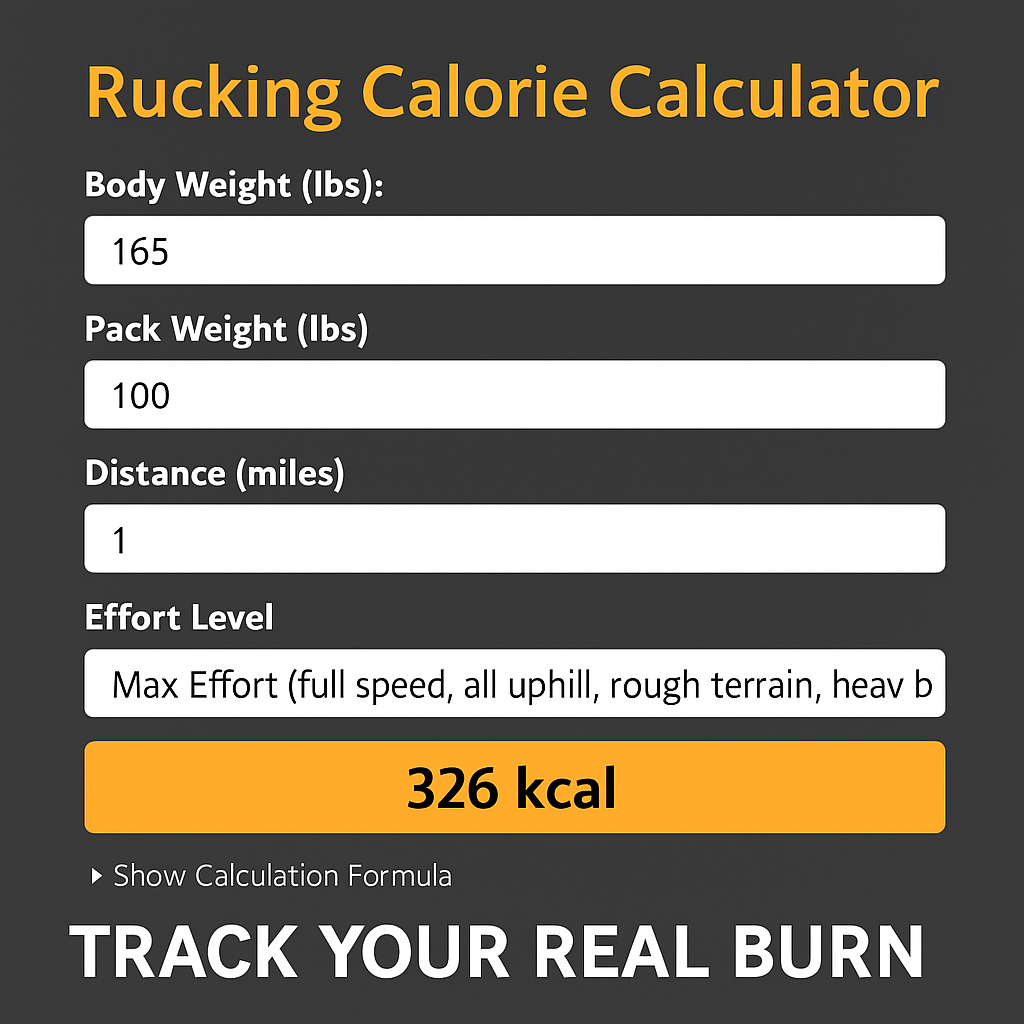
Estimate your calorie burn
Load, pace, distance, and your bodyweight all influence energy cost. Use this free tool to plan sessions or compare vest loads:

Putting it together
Weight vests reward consistency: start light, progress gradually, and pick a vest that fits your body. Use lower-impact terrain, manage heat, and keep technique honest. Done right, you’ll build resilient joints, stronger bones, better conditioning—and get more results from the same minutes you’re already moving.