Why a weighted backpack workout works
A weighted backpack workout—often called rucking when done as a loaded walk—is one of the simplest, most effective ways to mix cardio and strength without a gym membership. You force your body to move under load, which raises calorie burn, improves posture and carries over to everyday strength. This post gives a practical routine, safety and fit guidance, and a quick way to estimate how many calories you’ll burn.
Who this routine is for
This plan fits beginners who can walk 20–30 minutes unweighted and intermediate trainees looking to add low-impact load to their conditioning. If you’re coming from weight training and want to add endurance, it’s a perfect bridge: scale weight and distance rather than pace.
Build a progressive weighted backpack workout
Start with the rule of progressive overload: increase either weight, time, or intensity, but change only one variable at a time. A sample 8-week progression looks like this:
- Weeks 1–2: 20–30 minute walks with 10% of body weight (backpack or ruck), 3×/week.
- Weeks 3–4: 30–45 minute walks, same weight, add 1 brisk interval (3–4 minutes) per session.
- Weeks 5–6: Increase weight to 15% body weight or add 10 minutes to total session time.
- Weeks 7–8: Two sessions include hills or loaded intervals; one session is an easy long ruck for time.
Progress slowly. If you feel low-back strain or knee pain, drop weight and restore form.
Session structure
- Warm-up: 5–10 minutes of dynamic mobility and unweighted walking.
- Main set: 20–60 minutes of loaded walking depending on experience.
- Optional strength finish: 3 sets of 8–12 goblet squats, push-ups, or rows while still slightly warm.
- Cool-down: brisk unweighted walk for 5 minutes and long hamstring/hip stretches.
Gear and fit tips
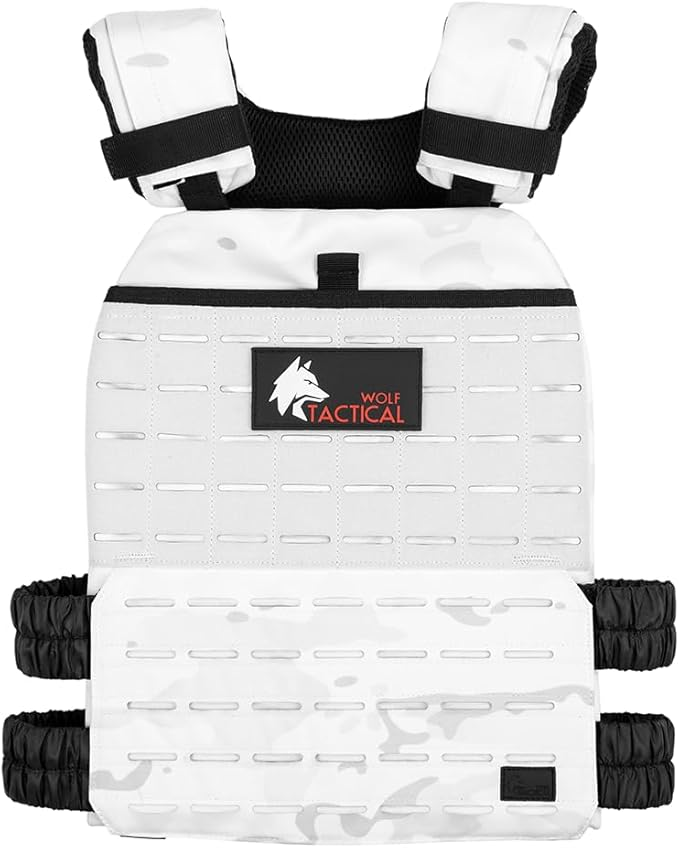
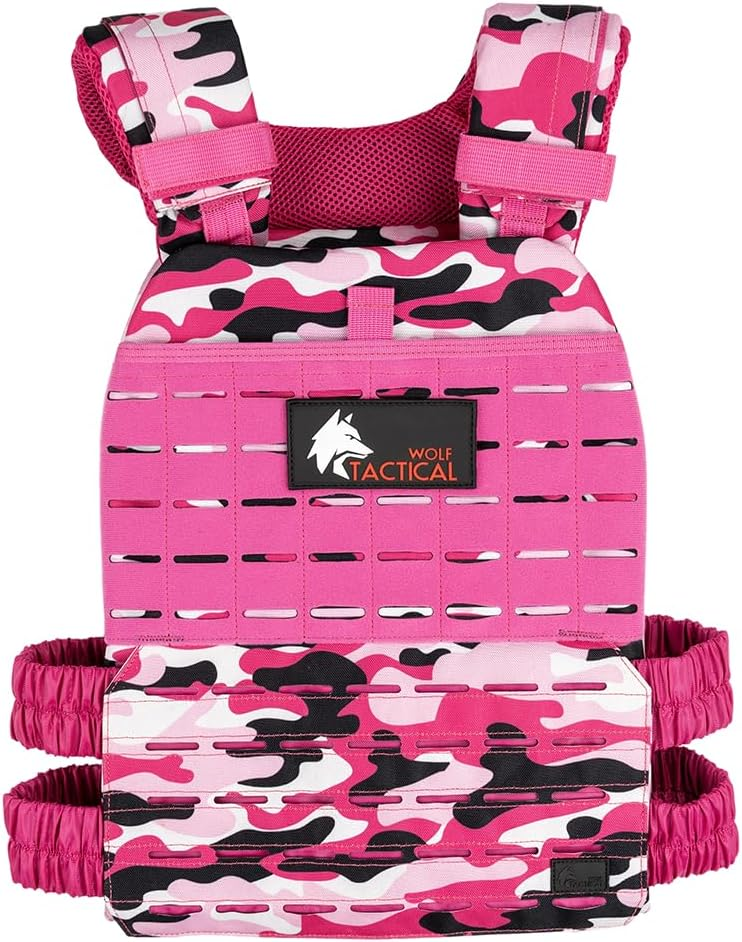
Fit matters. A shifting pack will pinch and create hotspots. Use a ruck or backpack with compression straps and a sternum strap, tighten the hip belt so weight sits on the pelvis, and keep heavier plates close to your back for best balance. If you’re focused on longer-distance rucks, choose a purpose-built rucksack; for short workouts a snug backpack with a proper plate works fine.

I recommend the GORUCK Rucker 4.0 20L for longer, military-style rucks. For mixed hydration and adjustable load, the CamelBak Motherlode 100oz Tactical Hydration Backpack is a great complementary option.

Estimate your calorie burn
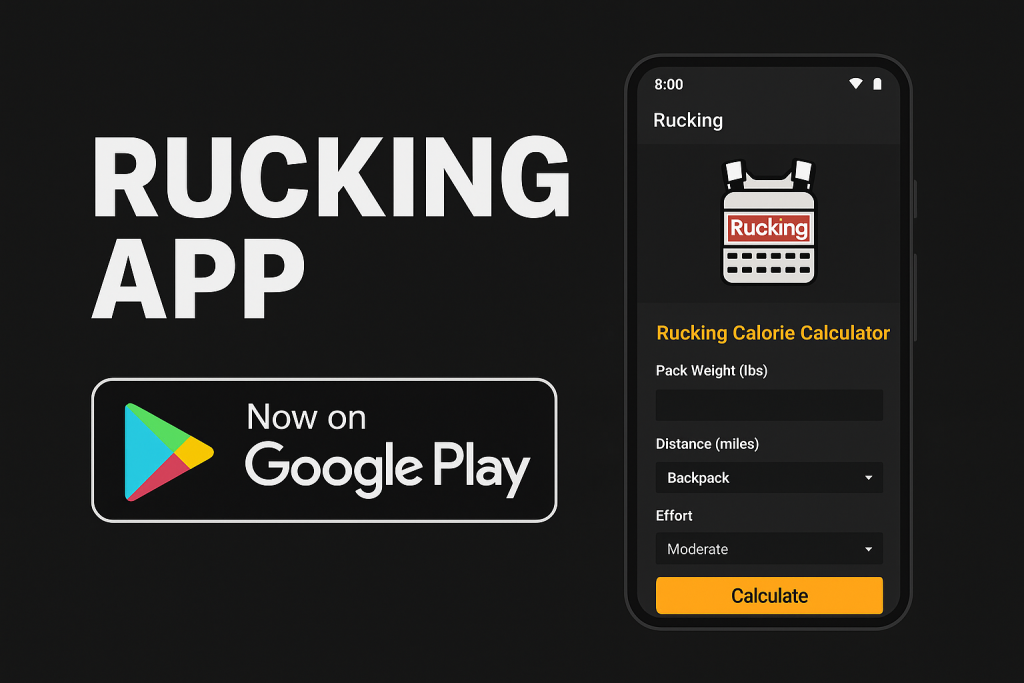
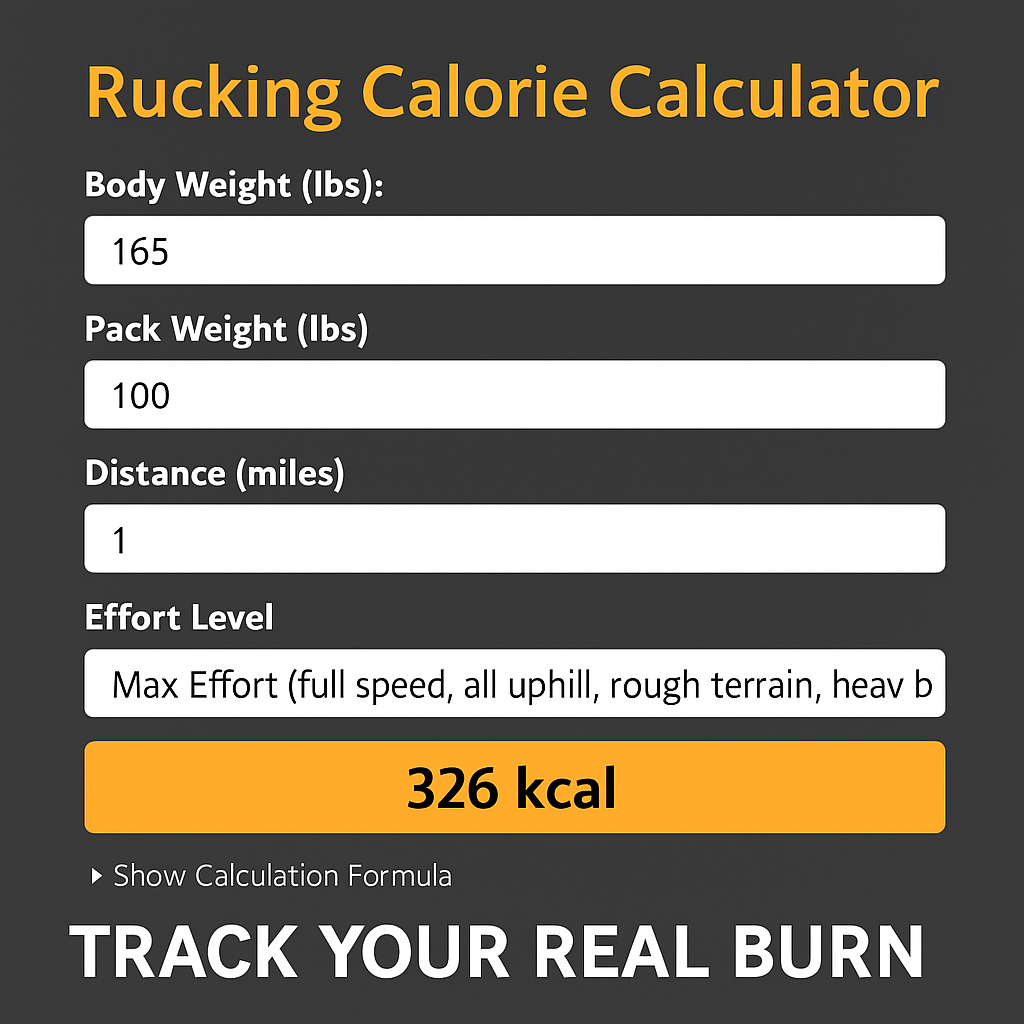
Want a practical estimate of how many calories a weighted backpack workout burns? Use the rucking calorie calculator below to plug in your weight, load, pace and terrain. It’s the fastest way to dial in session intensity for weight loss or conditioning goals.

Click the image above to open the Rucking Calorie Calculator and enter your session variables. Use it to compare different weights and distances before you step outside.
Recovery and common mistakes
Recovery beats ego. A few common mistakes: starting too heavy, ignoring footwear and hip support, and skipping mobility. If you’re new, treat the first week as a baseline test and accept that the body adapts slower to loaded walking than to running.
Final practical notes
Consistency matters more than every-session intensity. A progressive weighted backpack workout done 3×/week with gradual load increases will improve metabolic rate, posture, and strength. If you want help programming a plan specific to your goals, the calculator above gives an immediate reality check on calories burned and session demands.