What a weighted body suit actually does
A weighted body suit distributes load across shoulders, torso, and sometimes legs to increase the metabolic cost of walking, rucking, or bodyweight drills. Unlike a single weighted vest, a suit can lower local pressure points and shift mass where it’s easier to carry for longer durations. That improved distribution often means longer sessions, more steady calorie burn, and better comfort on multi-hour hikes.
Who benefits from a weighted body suit?
- Experienced ruckers who need even load distribution for long distances.
- Athletes adding low-impact overload to conditioning without changing movement patterns.
- People transitioning from a weighted vest due to chafe or fit issues.
Use caution if you have pre-existing shoulder, neck, or lower-back issues: a suit changes movement patterns and may expose weaknesses under load.
Progression and programming
Start light and follow planned progressions. A simple approach I use with clients is: two weeks of introducing the suit at 5–10% of bodyweight, then increasing load 2–5% every one to two weeks depending on soreness and movement quality. Consent to regular strength work (posterior chain, core, and scapular stabilizers) reduces injury risk and improves economy.
Sample four-week beginner progression
- Week 1: 10–20 minute walk with suit at very light load; focus on posture.
- Week 2: 30–45 minute walk or mixed hike; add short mobility breaks.
- Week 3: 45–60 minute ruck or hike; introduce light intervals on flats.
- Week 4: 60+ minute ruck or longer hike; moderate pacing with attention to recovery.
Practical fit and comfort tips
Fit matters more than total weight. A suit should sit close to the body without compressing the chest or impeding breathing. If you experience hot spots, use thin padding layers or a lightweight base layer to reduce chafe. When a suit concentrates weight on the shoulders or neck, back off and reassess load distribution.

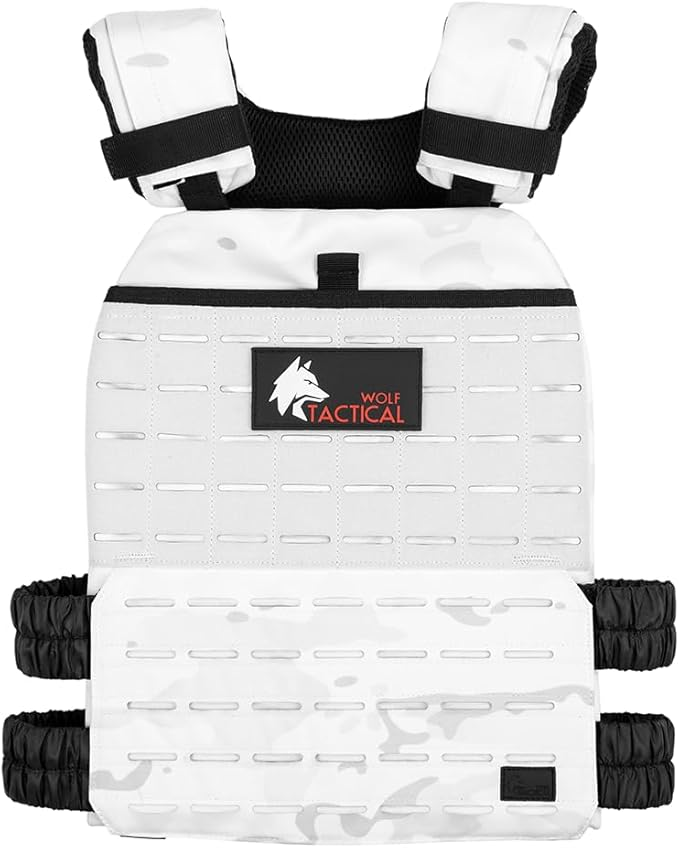
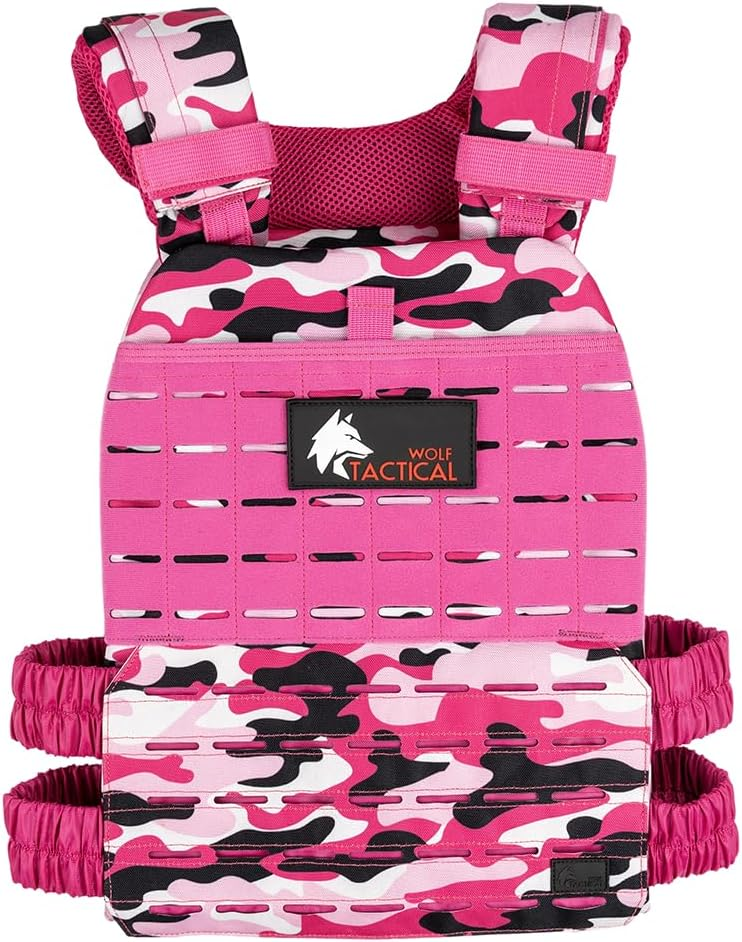
Consider a flexible system like the Wolf Tactical Adjustable Weighted Vest as an intermediate step before a full suit if you need easier load adjustment.

When I mention rucksack or load-carrying gear, I recommend a hydration-ready pack like the CamelBak Motherlode for long sessions — hydration and small adjustments to weight distribution make a big difference.
Estimating calorie burn and planning sessions
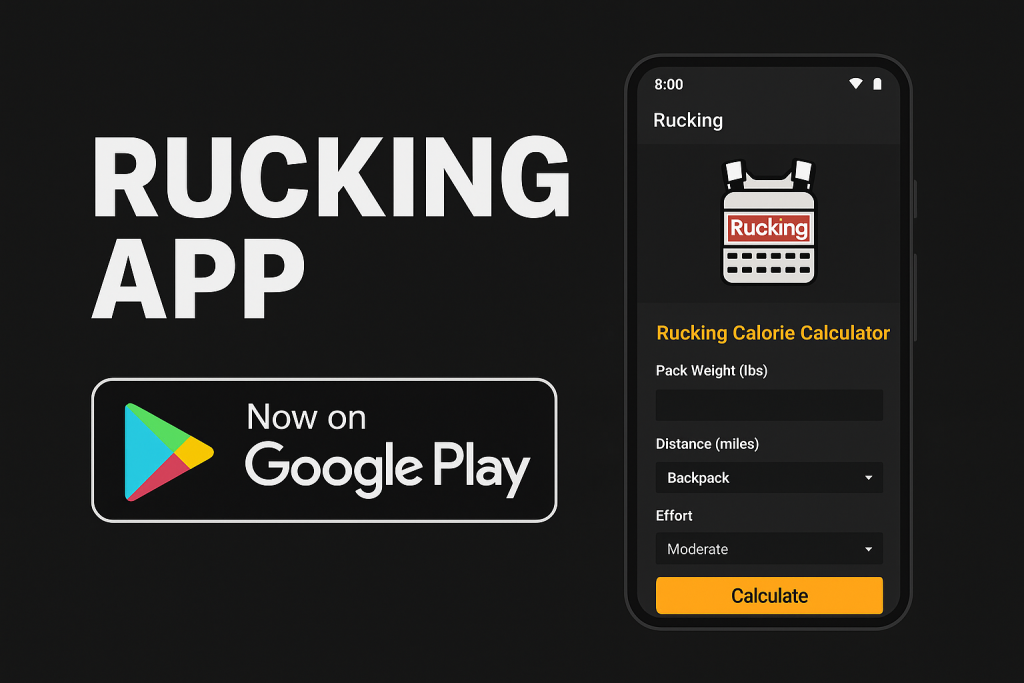
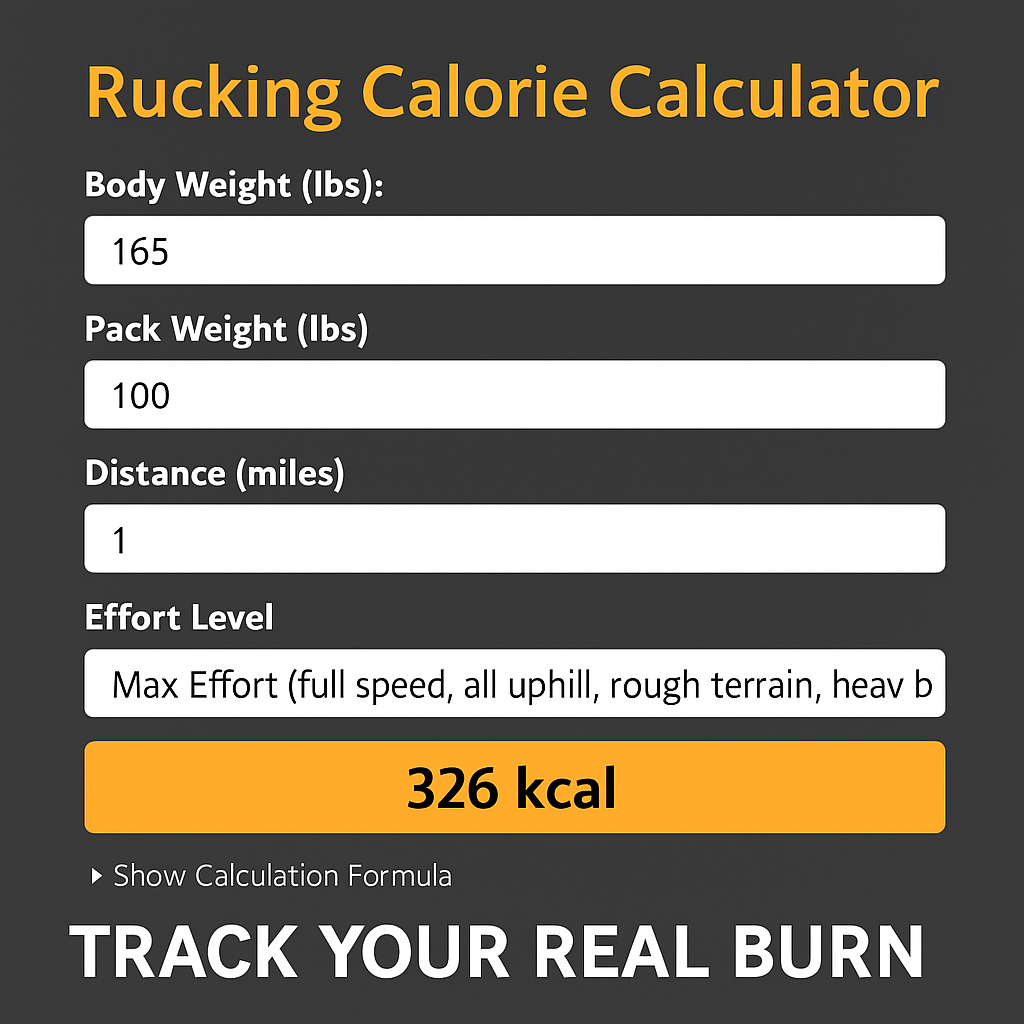
Weighted suits increase calorie burn, but exact numbers vary by load, pace, terrain, and individual metabolism. Use the Rucking Calorie Calculator to estimate how a weighted body suit affects your total energy expenditure during walks and rucks. Click the screenshot below to check estimates tailored to your pace and load.

That calculator helps you translate time, distance, and load into actionable calorie targets so you can program sessions for fat loss, endurance, or weight-maintenance phases.
Final safety checklist
- Check breathing and posture under load before increasing time.
- Keep load conservative the first 3–4 sessions to assess tolerance.
- Use strength work to support the suit’s added stress on joints and connective tissue.
- Stay hydrated, especially on long hikes — hydration gear is non-negotiable.
Weighted body suits are a useful tool when fitted and programmed correctly. Prioritize gradual progression, pay attention to comfort and breathing, and use the calorie calculator to match training to your goals.