Why a weighted chest vest?
A weighted chest vest places load on the front of your torso rather than across the back or shoulders. For athletes and outdoor trainers this offers unique benefits: improved upper-body posture under load, increased anterior chain stimulus during carries and calisthenics, and a smaller profile for confined spaces or layered weather. In this guide I cover fit, programming, safety, and how to estimate calorie burn for chest-focused rucking and walking workouts.
Fit and comfort: what to look for
Front-loading changes pressure points. The right chest vest should sit snug across the sternum without riding up under the chin or restricting full inhalation. Look for adjustable straps and internal plate or sandbag pockets so you can fine-tune load distribution.
- Start with light plates and test range-of-motion for push-ups, planks, and marching.
- A breathable vest with compressive panels reduces chafing during longer outings.
- Ensure the bottom edge doesn’t press on the diaphragm — you need full breathing capacity under load.
Programming a chest-vest session
Because a chest vest moves your center of mass forward, begin with short sessions and simple progressions. A sample beginner plan:
- Week 1–2: 10–20 minutes of weighted walking at conversational pace, 5–10 lb in the vest.
- Week 3–4: Add 2–3 sets of 8–12 push-ups and 30–60s planks with the vest on, increase load 5% if technique remains solid.
- Ongoing: Mix in 30–60 minute rucks or tempo walks with progressive load, swapping to a backpack for longer distances if needed.
Safety and observation
Chest-loaded weight amplifies forward flexion. Keep these checks in place:
- Monitor neck tension — don’t shrug to compensate for forward mass.
- Test breathing with the vest before long sessions; reduce load if breathing or speaking is impaired.
- Use mirrors or a training partner for form cues on push-ups and carries.
Estimating calorie burn
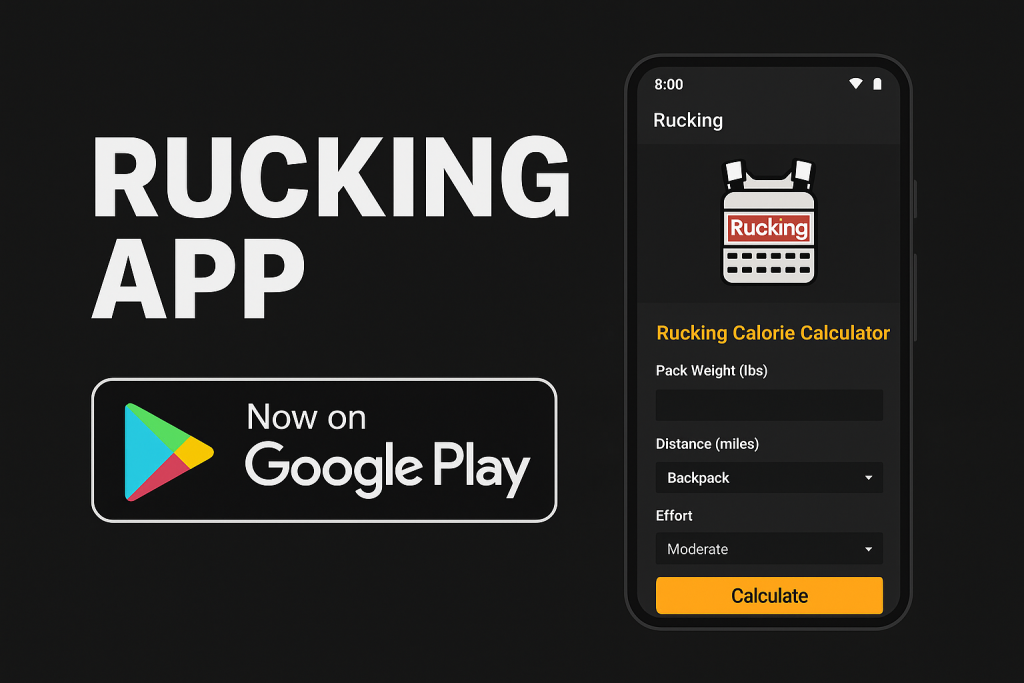
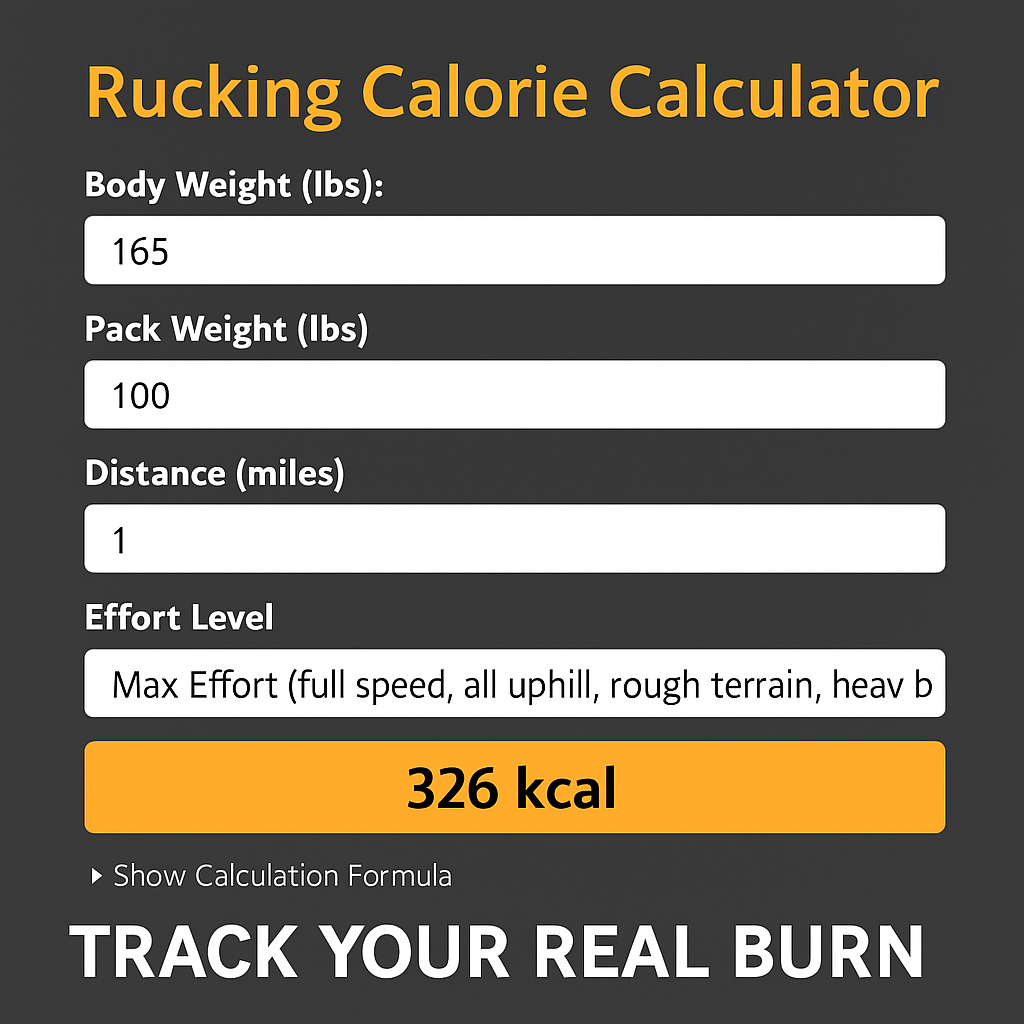
If you want a practical estimate for how many calories a chest-vest session burns, use the rucking calorie calculator. It’s designed for weighted vests and backpack rucking so you can enter weight, pace, and vest load to get a realistic number.

Click the calculator, enter your bodyweight, vest load, pace, and terrain. Use that number to plan weekly energy balance — chest vests often increase anterior chain demand and thus marginally raise caloric cost compared to an unloaded walk.
Product suggestions for chest-vest work
For comfort and adjustability, I favor vests that let you tune front loading and still allow mobility. Two practical options to consider:
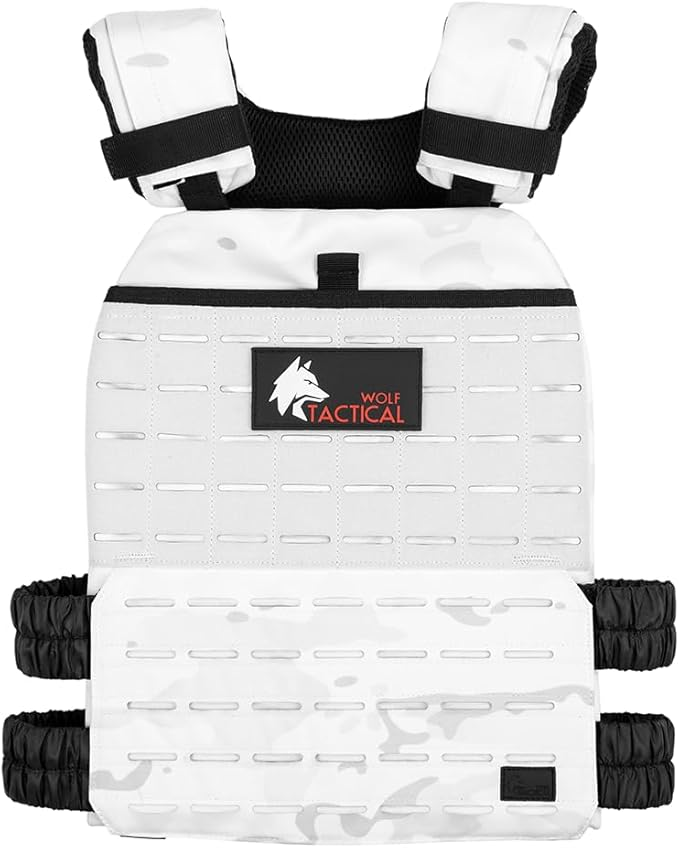
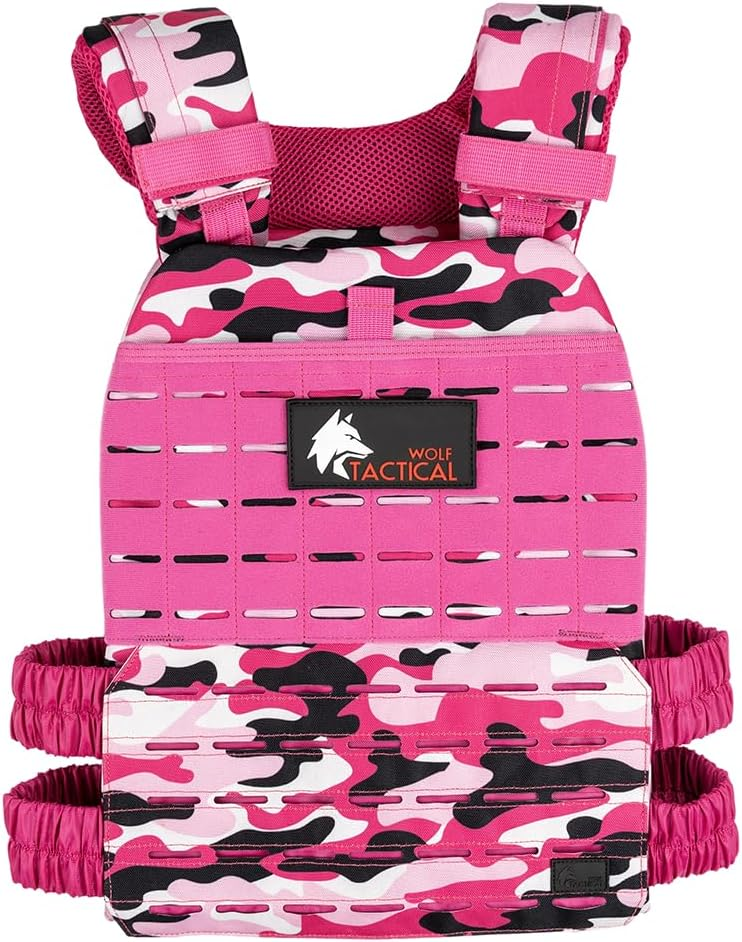
Wolf Tactical Adjustable Weighted Vest

5.11 Tactical Unisex TacTec Trainer Weight Vest

Putting it together
Start light, prioritize breathing and posture, and treat chest-vest training as a complement to full-body strength and aerobic work. Use the rucking calorie calculator to quantify sessions and guide nutrition and recovery. With consistent, measured progression you get the metabolic and strength benefits of weighted training without compromising form.
Quick checklist before a chest-vest session
- Vest fits snugly and doesn’t restrict breathing.
- Load is appropriate for tech: increase only if form is solid.
- You have a short route for initial sessions and a plan for progression.
Train outdoors, stay methodical, and use smart tools to estimate energy cost. A chest vest is a useful option when you want anterior loading with a smaller footprint than a full backpack.