What is a weighted compression vest?
A weighted compression vest is a low-bulk, snug-fitting vest designed to hold weight close to your torso. Unlike loose plate carriers or bulky sandbag vests, a compression-style vest minimizes bounce, distributes load evenly across the chest and back, and keeps your hands free. That makes it a smart choice for walking, rucking on sidewalks or trails, stair climbs, and bodyweight strength sessions like push-ups, squats, and pull-ups.
Why train with one
- Higher calorie burn: Adding 5–20 lb to your frame increases the work your legs and lungs must do on every rep or step.
- Joint-friendly loading: The weight sits close to your center of mass, reducing shearing forces versus hand-held loads.
- Better movement quality: Hands-free load lets you swing your arms naturally and keep posture tall on walks and rucks.
- Time efficiency: Light to moderate loads turn a 30–45 minute walk into a potent conditioning and fat-loss session.
How to choose the right weighted compression vest
- Fit and adjustability: Look for wide shoulder straps and secure side closures so the vest hugs your torso without restricting breath.
- Weight range you’ll actually use: Beginners typically start with 5–10% of bodyweight. Ensure the vest can scale up as you progress.
- Breathability: Mesh panels and quick-dry fabric help manage heat on longer efforts.
- Plate or pouch system: Plate-compatible vests swap loads fast; pouch systems fine-tune weight in smaller increments.
- Movement goals: For walking and rucking, choose stability and comfort. For calisthenics, prioritize low profile and zero bounce.
Estimate your calorie burn
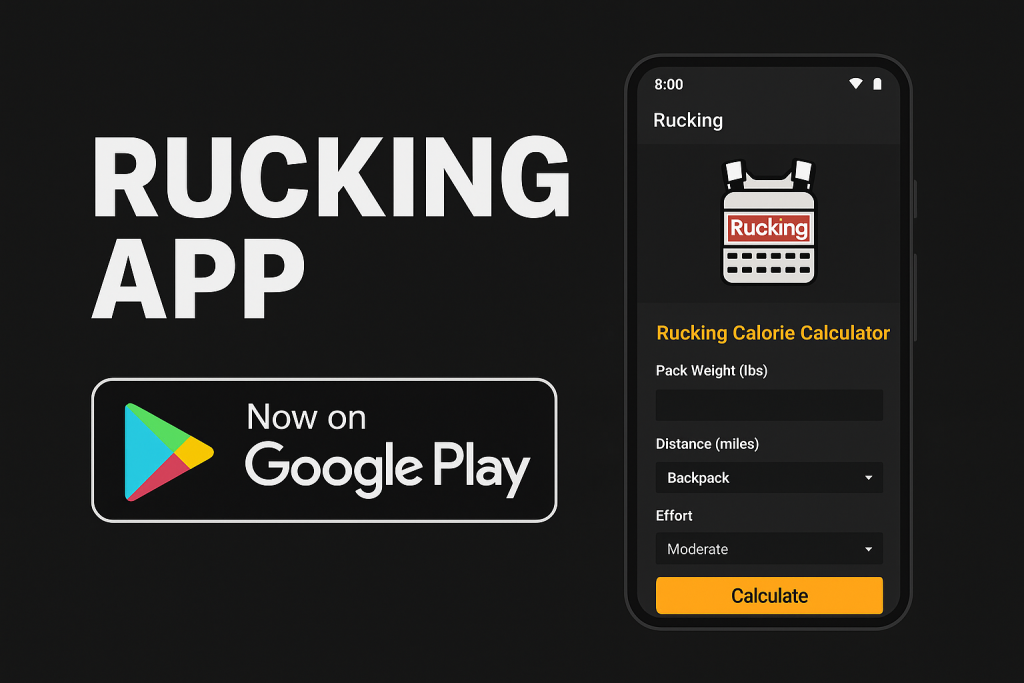
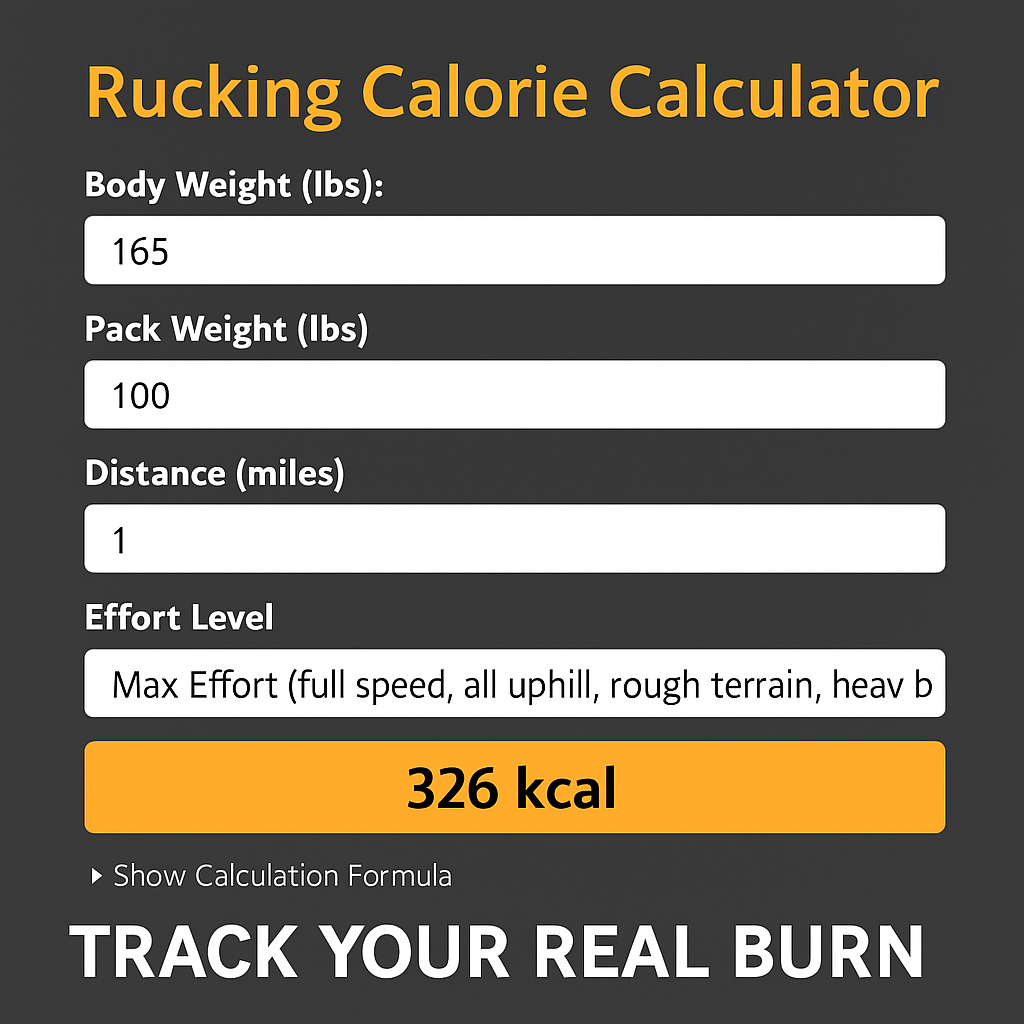
You can estimate sessions using the Rucking Calorie Calculator. Set your bodyweight, added load (vest weight), pace, distance or time, and terrain. It’s built for rucking, but the physics is the same for weighted-vest walking.
Open the Rucking Calorie Calculator

How to start safely
- Start light: 5–10% of bodyweight for 2–3 weeks. If you’re 180 lb, that’s 9–18 lb total vest weight.
- Progress gradually: Add 2–5 lb or 5–10% time per week, not both. Keep one variable steady while the other climbs.
- Session structure: 5–10 min easy warm-up; 20–40 min brisk walk or step-ups; 5–10 min cool-down and calf/hip mobility.
- Posture cues: Tall chest, slight forward lean from ankles, short quick steps, elbows drive back. If hips or knees ache, reduce load or volume.
- Heat management: Wear breathable layers, hydrate, and avoid mid-day heat until you’ve adapted to the load.
Coach’s gear picks
If you want a dependable compression-style fit, these vests handle both walking and bodyweight strength well:
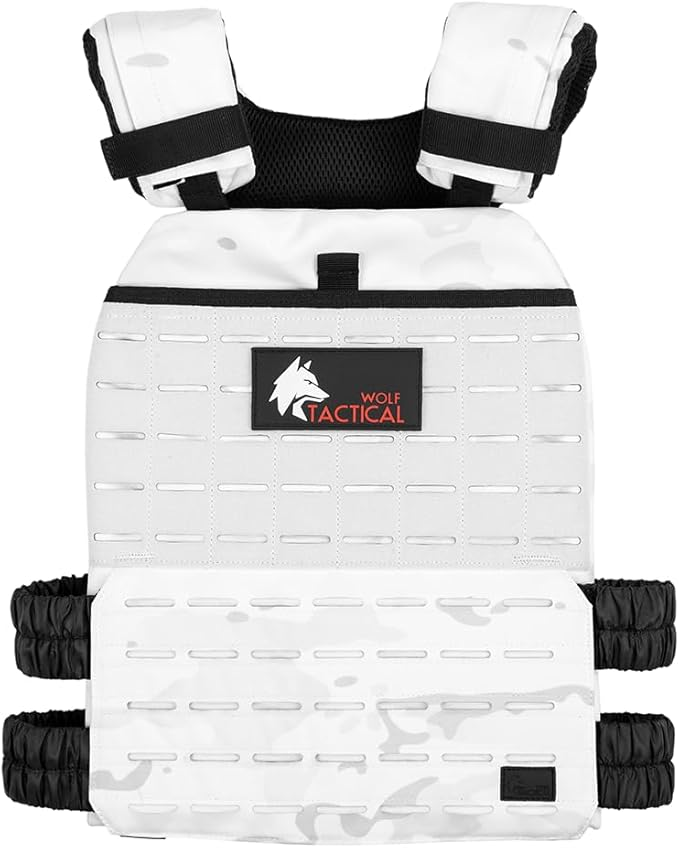
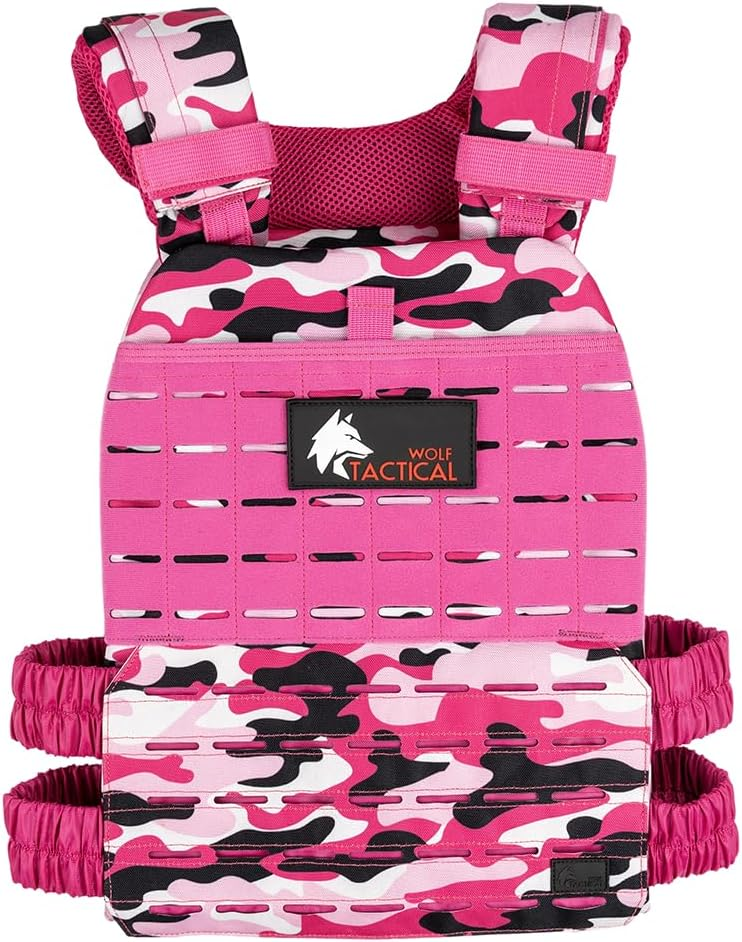
Wolf Tactical Adjustable Weighted Vest — stable, comfortable, and easy to size for smaller or larger torsos.

5.11 Tactical Unisex TacTec Trainer Weight Vest — breathable, rugged, and plate-compatible for easy load changes.

Need plates? Pair your vest with WOLF TACTICAL Weight Vest Plates (pairs) to fine-tune load.

Maintenance
- Air-dry fully after sweaty sessions; avoid high heat.
- Wipe salt and grit from straps and buckles weekly.
- Check stitching and Velcro for wear; replace plates or pouches if they rattle.
Whether you’re upgrading daily walks or adding a punch to bodyweight days, a well-fitted weighted compression vest is a simple, durable way to build conditioning without beating up your joints.