A weighted exercise vest is one of the simplest ways to turn everyday movement and bodyweight training into consistent, measurable conditioning. By adding a controllable load to your torso, you increase work without stressing the hands, elbows, or grip. If you’re new to loaded conditioning, start conservative, build gradually, and keep your technique clean. Here’s how I coach athletes and everyday walkers to get the most from a weighted vest.
Why train with a weighted exercise vest
- Efficient calorie burn: Even a 5–10% bodyweight load meaningfully increases energy expenditure during walks and circuits.
- Joint-friendly intensity: Load is centered near your center of mass, reducing hand, elbow, and shoulder strain compared to dumbbells.
- Scalable and versatile: Adjust weight in small steps; use it for walking, stair climbs, step-ups, push-ups, squats, and carries.
- Posture and core: A snug vest encourages tall posture and trunk bracing on the move.
How heavy should you go?
Match load to your goal and experience:
- Beginner walking or light circuits: 5–10% of bodyweight.
- Intermediate conditioning or hiking: 10–15% of bodyweight.
- Advanced efforts: up to 20% for short bouts if your joints and conditioning are ready.
Progression rule: increase only one variable at a time (load, distance, or pace). Add 2–5 lb when a session feels repeatable with steady breathing and no joint soreness the next day.
Fit and safety
- Snug, not choking: The vest shouldn’t bounce; tighten chest straps just enough to keep the load high and close.
- Breathable: Choose ventilated materials and shoulder padding, especially for longer walks.
- Respect volume: New to vests? Walk before you jog. Save running for later, if at all.
Simple 25-minute vest session
- Warm-up (5 min): Brisk walk, arm circles, 10 bodyweight squats, 10 wall push-ups.
- Circuit (15 min total, repeat 3 rounds):
- 2 minutes brisk walk or stairs
- 8–12 push-ups (vest on; elevate hands if needed)
- 12–15 air squats
- 30–45 seconds farmer carry (vest on, light dumbbells optional)
- Cool-down (5 min): Easy walk, calves/hip flexor stretches, deep nasal breathing.
Keep your mouth closed during easy portions to self-check intensity. If you can’t maintain nasal breathing on the walk segments, lighten the vest or slow your pace.
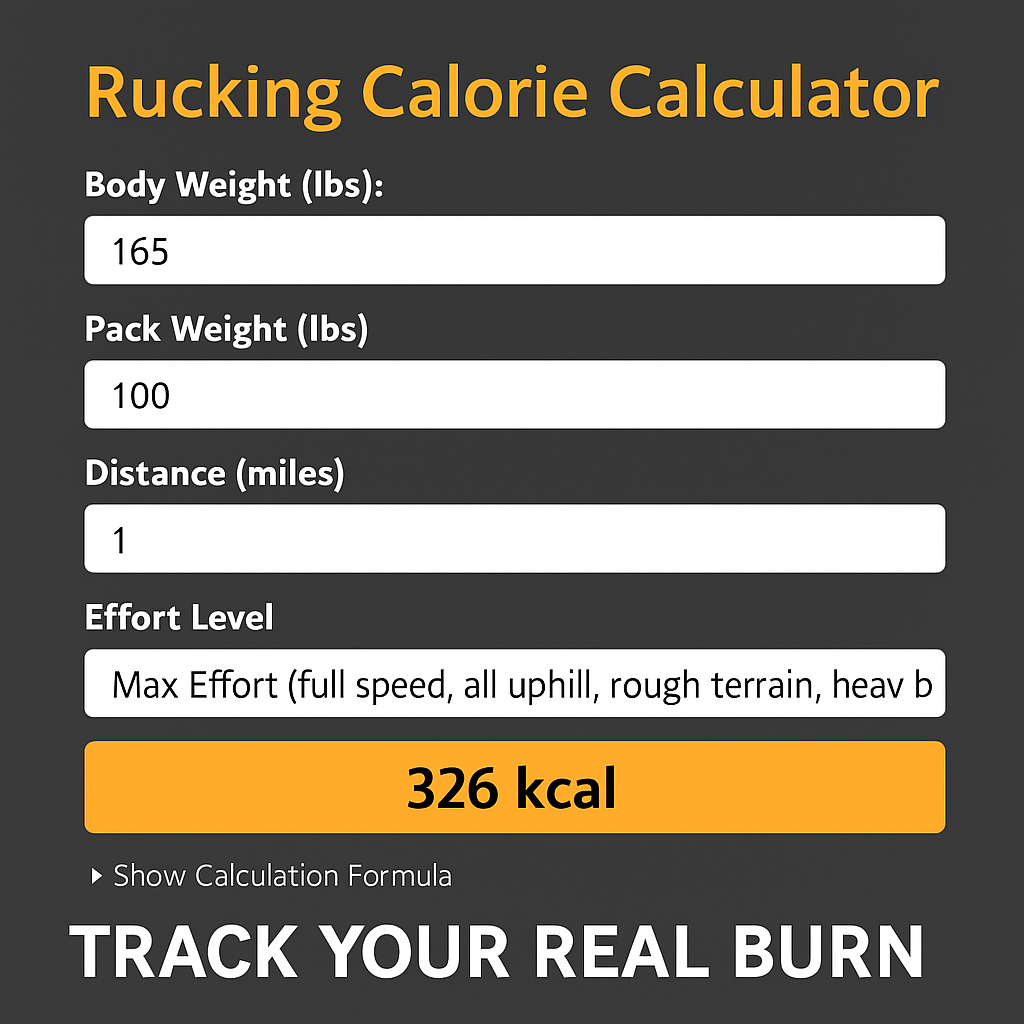
Estimate your calorie burn
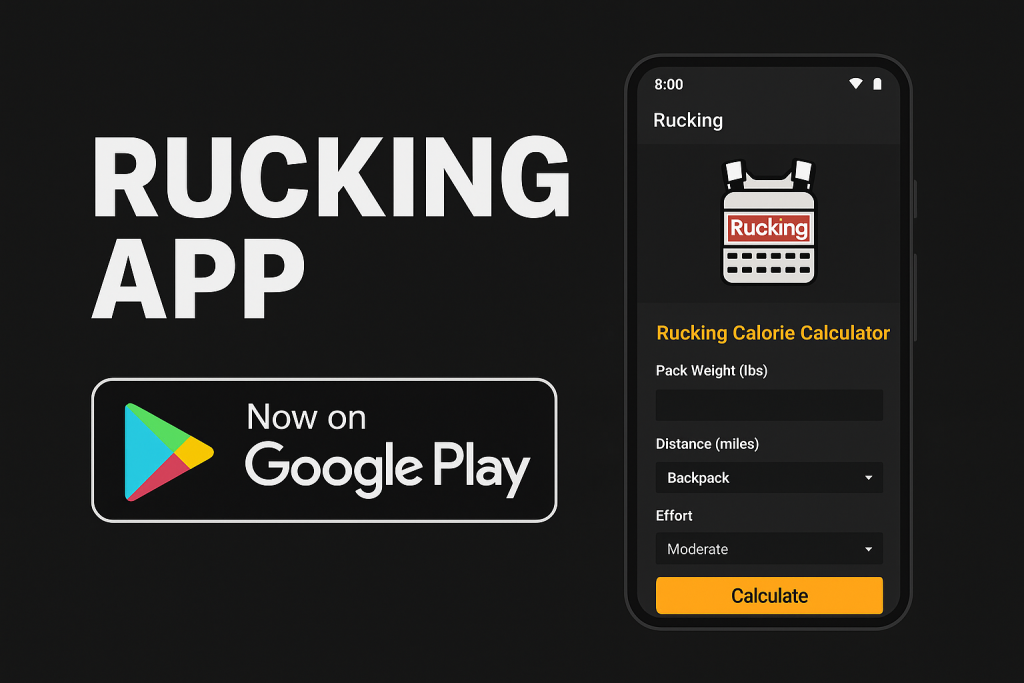
Your weight, vest load, pace, terrain, and time all drive energy use. Use this calculator to estimate your session’s calories and compare different loads.

Reliable weighted vest options
Look for wide shoulder straps, quick-adjust closures, and easy plate or pouch loading. Two dependable picks I’ve used or coached with:
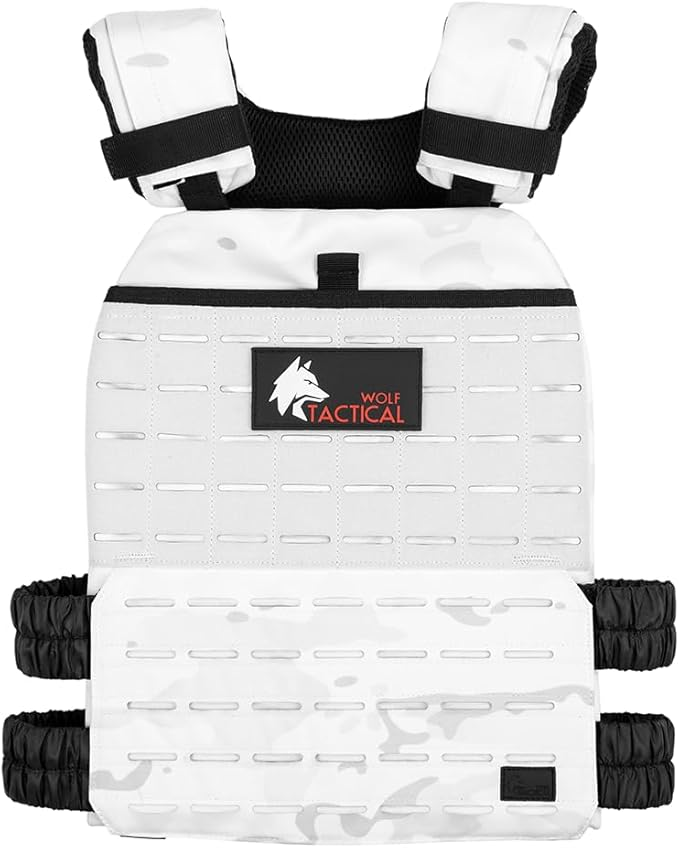
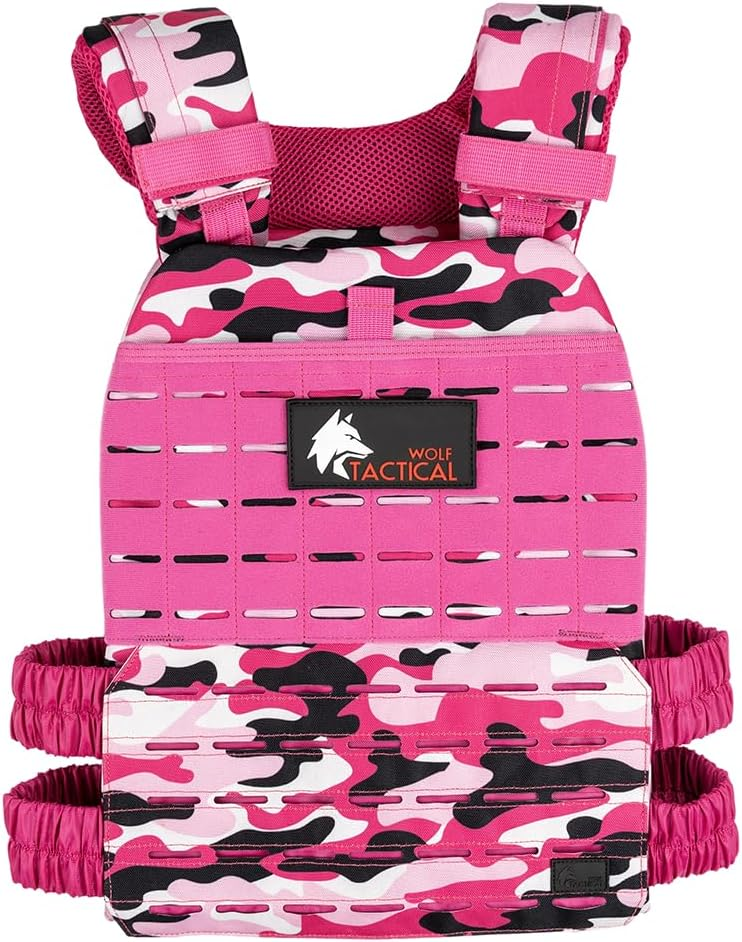
Wolf Tactical Adjustable Weighted Vest
The Wolf Tactical Adjustable Weighted Vest balances comfort, adjustability, and value. It’s great for walking, stairs, and entry-level circuits.

5.11 TacTec Trainer Weight Vest
The 5.11 Tactical TacTec Trainer Weight Vest rides high, distributes load well, and breathes during longer sessions or mixed circuits.

Progression checklist
- Train 2–4 days per week; alternate light and moderate loads.
- Cap first month sessions at 20–30 minutes before adding time.
- Log distance, time, and load; increase one variable per week.
- Prioritize posture: ribs down, tall spine, easy arm swing.
Master the basics with a light vest, track your metrics, and let steady progression compound. Simple, repeatable sessions beat heroic one-offs every time.