Why the weighted g vest matters
I see the same mistake often: people buy a heavy vest and treat it like a dumbbell. A weighted g vest is best used as a tool to increase time-under-load, force the posterior chain to work harder during walking and drills, and raise calorie burn without complex movement patterns. I write from field experience—keep it simple, build volume, and prioritize comfort and alignment.
Fit and setup
Fit defines whether a vest helps or hurts your training. Aim for a vest that sits snugly across the sternum and upper back and doesn’t ride up or bounce when you walk briskly. Use these quick checks:
- Shoulder seams should align with your delts—if they sit low, the load shifts and you’ll lose posture.
- The vest should feel like a second skin at walking speeds; a little compression is good, but nothing that limits breathing.
- Start light: 5–10% of bodyweight for conditioned athletes; beginners might start at 2–5% and add 1–2% per week.
Training uses: conditioning, strength carryover, and rehab
A weighted g vest is versatile. I use it primarily for:
- Rucking and loaded walks—steady-state cardiovascular volume with posterior chain emphasis.
- Interval power conditioning—short, weighted walking sprints or hill repeats for anaerobic capacity.
- Accessory overload—bodyweight circuits with a small vest to increase difficulty without changing technique.
When programming, prioritize movement quality. If form drops—especially in hinges or lunges—reduce weight or duration immediately.
Progression and safety
Progress on two axes: weight and time. Increase one variable at a time. A safe progression looks like adding 10–20 minutes of loaded walking at the same weight until comfortable, then adding 2.5–5 lb to the vest and repeating. Always warm up dynamically and finish with mobility and glute activation.
Sample week for a beginner
- Day 1: 30-minute brisk walk with a light vest (2–5% bodyweight).
- Day 3: 20-minute interval ruck—5 x 2 minutes moderate effort with 2-minute easy between.
- Day 5: 40-minute endurance walk; focus on posture and cadence.
Measure effort: use the rucking calorie calculator
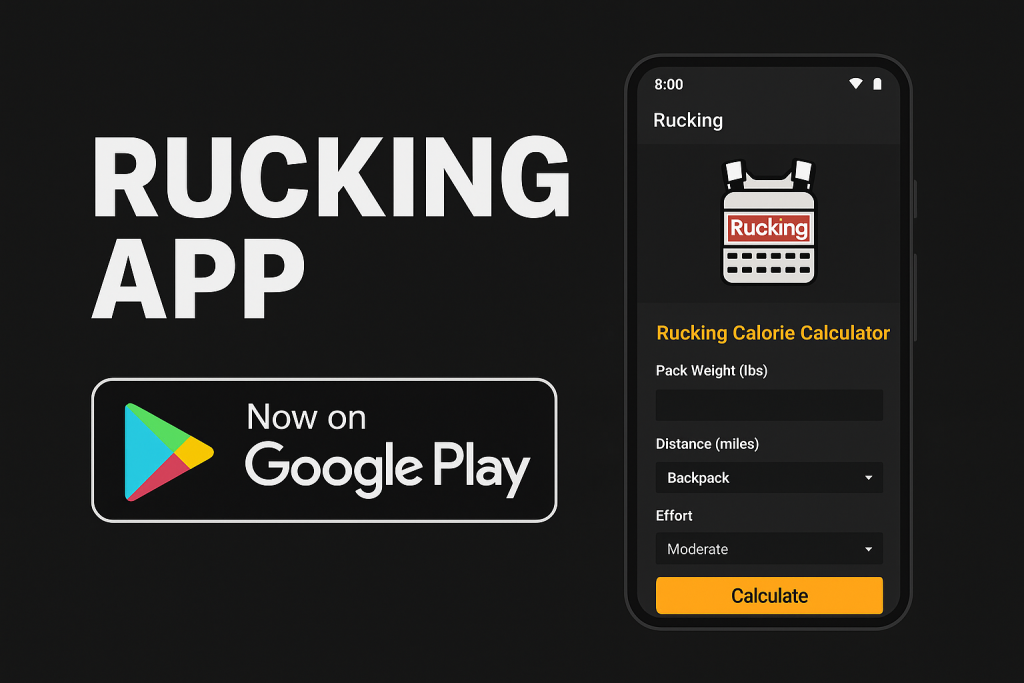
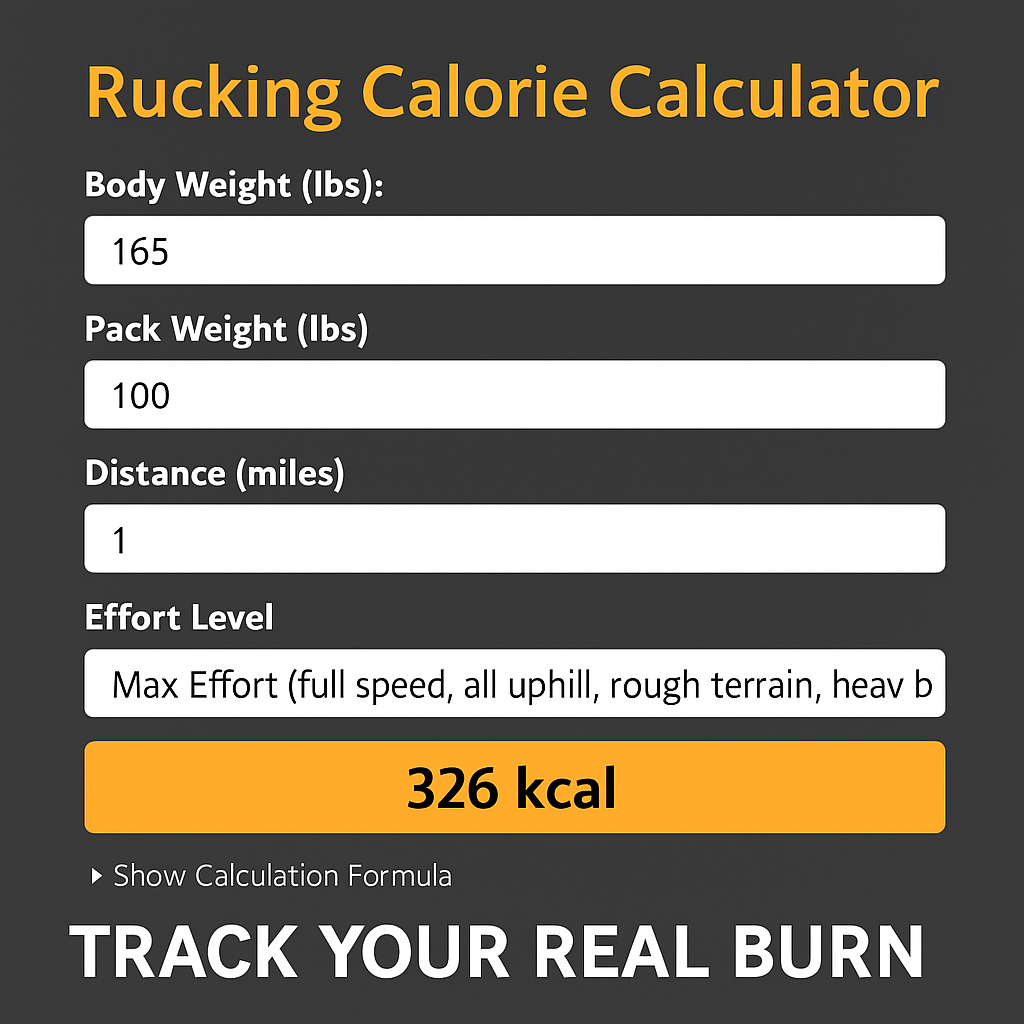
To estimate energy expenditure and guide nutrition, plug your session details into the online calculator. I recommend using the rucking calorie calculator to dial in realistic calorie burn estimates for vest work and rucks.

Use the calculator to compare different weights, speeds, and distances so you can plan progressive overload without guessing.
Product suggestions for fit and durability
For comfort-first vest work I favor options with good weight distribution and simple adjustment points.

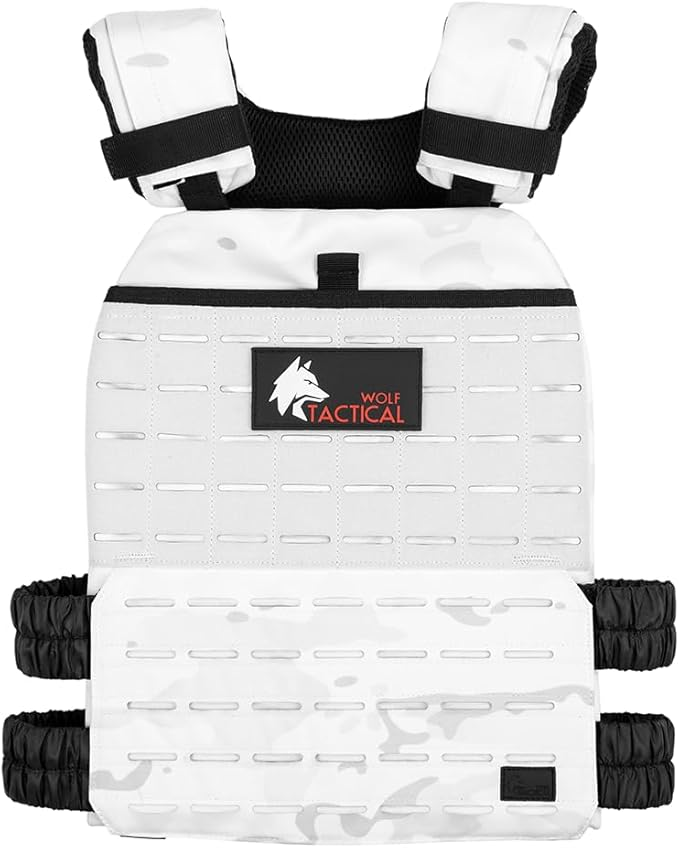
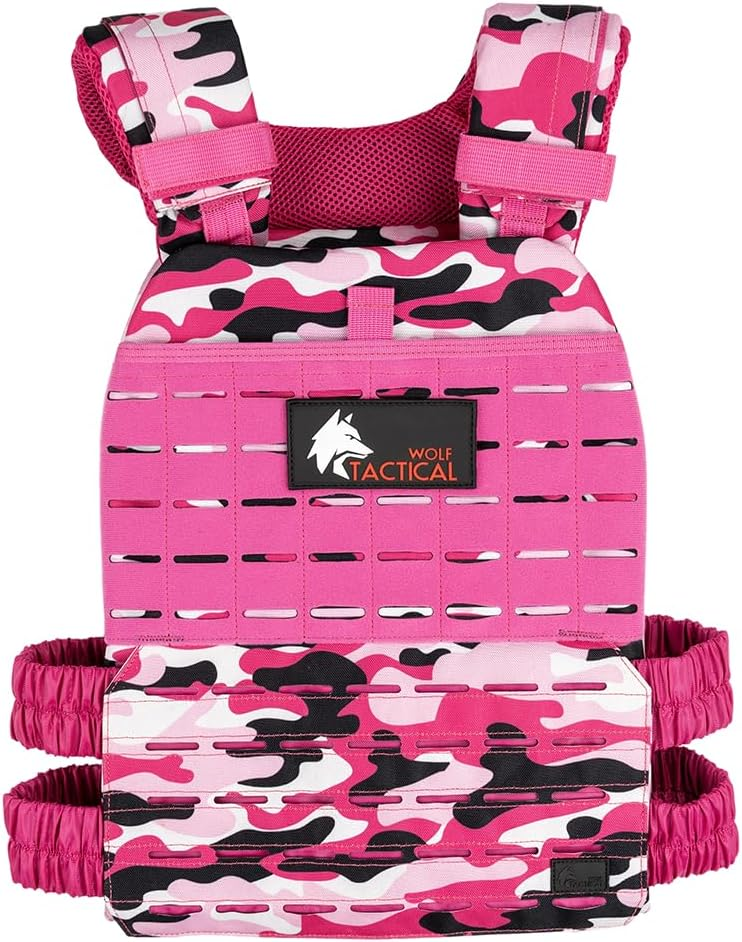
Consider the Wolf Tactical Simple Weighted Vest for everyday conditioning—comfortable, durable, and easy to adjust.

For longer rucks or when you graduate to heavy loads, the GORUCK Rucker 4.0 20L backpack is a durable upgrade that keeps weight close to your center of mass.
Final coaching notes
Use the weighted g vest to extend time under tension rather than to chase numbers. Track sessions, use the calculator to estimate calories burned, and make gradual changes. If pain or persistent soreness develops, back off the load and consult a movement specialist. With smart programming, the weighted g vest is one of the simplest, most reliable tools to increase conditioning and maintain a lower body weight.