Why a weighted gym vest works better than extra reps
A weighted gym vest is a simple, scalable tool to add load to bodyweight movements and walking rucks without changing movement patterns. For gym athletes and outdoor trainers the vest forces your body to move with external mass close to the torso — that improves running economy, increases metabolic cost, and keeps the center of gravity stable compared with awkward backpacks or plates.
Who should use one
Use a weighted gym vest if you want to:
- Progress bodyweight strength (pull-ups, push-ups, dips).
- Increase calorie burn on walks or treadmill sessions.
- Add low-impact load for conditioning when joint stress limits heavy barbell work.
Fit and comfort: what to check before you buy
Fit matters more than brand. A well-fitting vest sits high on the chest, doesn’t pinch the shoulders, and distributes weight evenly across the sternum and upper back. Look for adjustable straps, quality padding, and modular weight pockets. If you plan to ruck long distances, prioritize breathability and mobility over maximum plate capacity.
Recommended models for gym-friendly use:
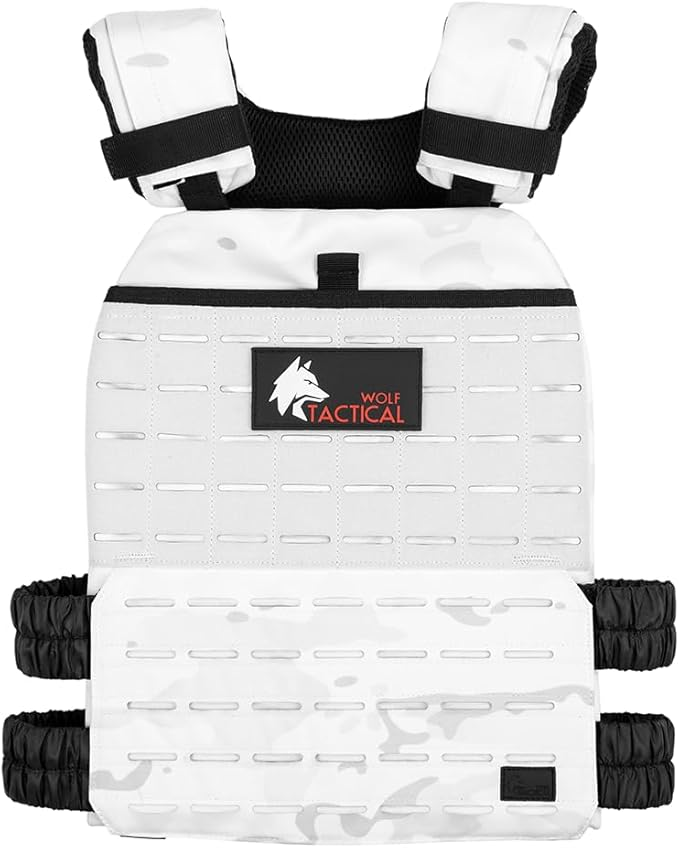
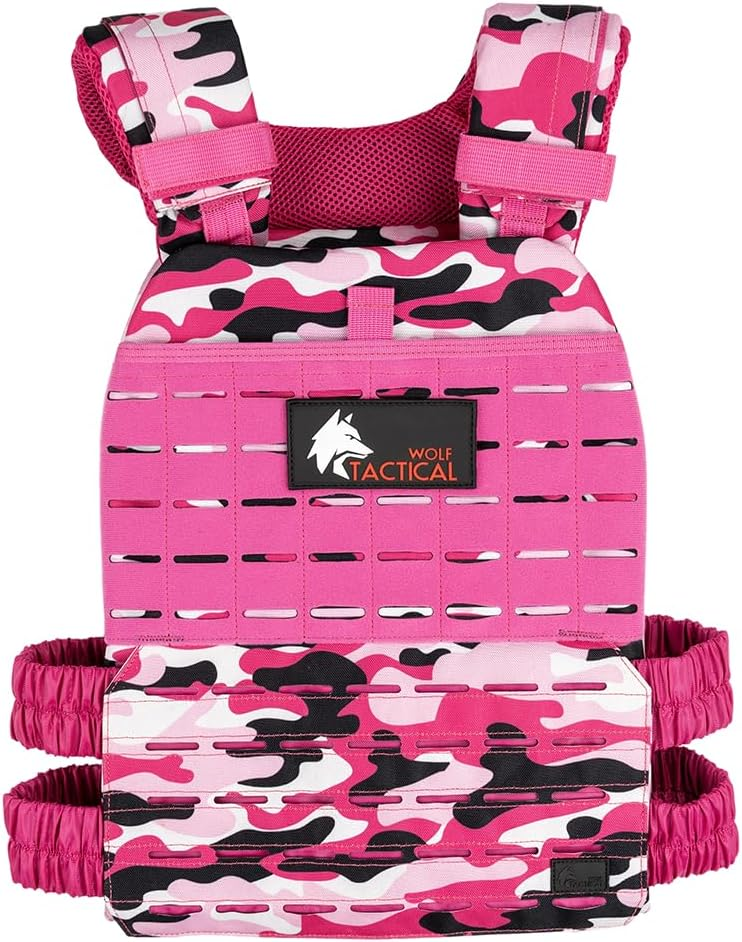
- For balanced, adjustable loading and everyday comfort: Wolf Tactical Adjustable Weighted Vest.
- For a structured, plate-style option used by athletes and tactical trainers: 5.11 TacTec Trainer Weight Vest.


Programming basics for a weighted gym vest
Start light. If you’re new to added load, begin with 5–10% of your bodyweight for walks and 5–15 lbs for strength progressions on push-ups or pull-ups. Increase load 5–10% every 2–3 weeks if you maintain movement quality. Below is a simple progression:
- Weeks 1–2: Vest at light setting, focus on technique and breath control.
- Weeks 3–6: Add 5–10% more weight and introduce slow negatives and controlled tempo work.
- Weeks 7+: Use heavier sets for low-rep strength work and repeaters for endurance.
Conditioning and calorie burn
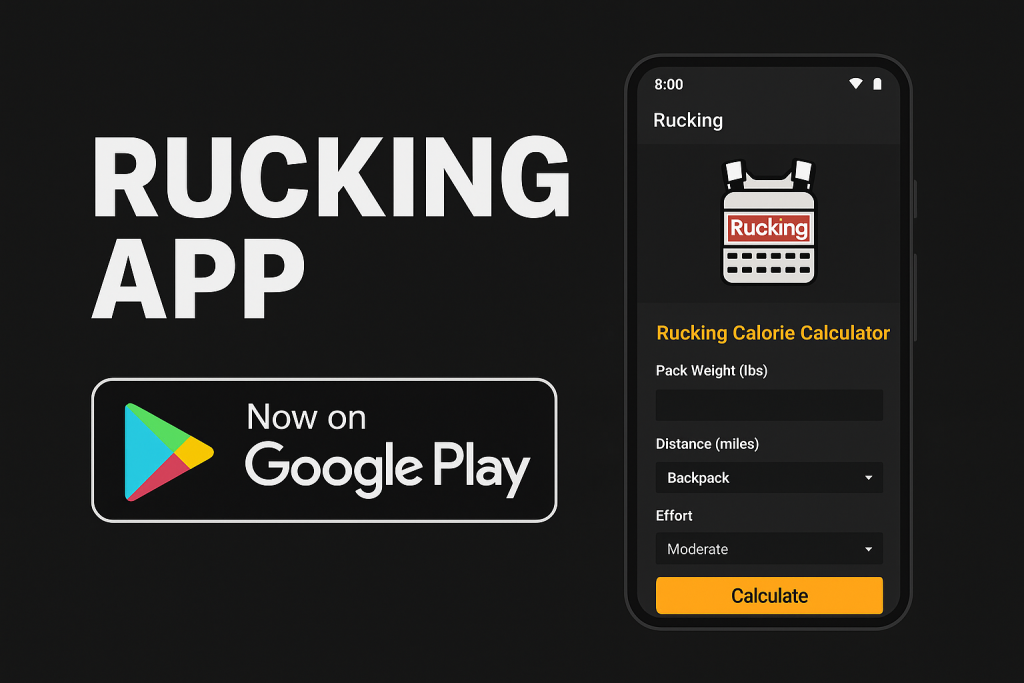
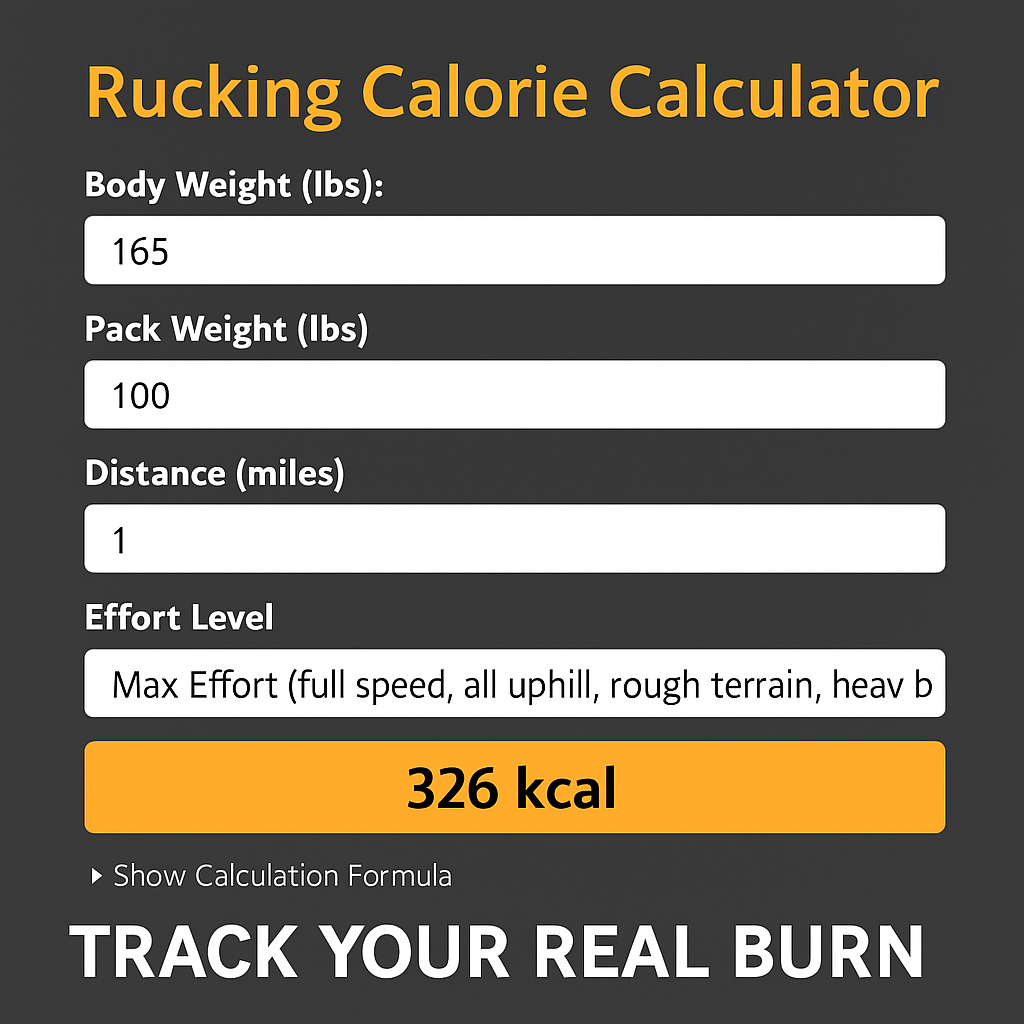
Weighted gym vests make steady-state walks and interval treadmill sessions more metabolically demanding without increasing joint stress. To estimate how many calories a loaded walk burns, use the Rucking Calorie Calculator below — it’s set up for backpack or vest-style load and gives a practical estimate you can use for programming.

Practical tips and safety
Keep three simple rules: move deliberately, monitor joint pain, and prioritize posture. If a weight pulls you forward, reduce load and focus on bracing the core. Hydrate and consider electrolyte support for long loaded walks — for longer outdoor sessions I often advise a hydration plan and a reliable hydration pack.
Finally, they work. I recommend weighted vests because they’re one of the most reliable tools to maintain lower body weight and increase daily calorie burn when used consistently and sensibly. Train progressively, respect recovery, and use the calculator above to align your sessions with your goals.