A weighted hiking vest lets you add meaningful load to your walks and trail days without the shoulder pinch, hand fatigue, or balance issues that can come with a full backpack. Used correctly, it boosts calorie burn, leg strength, and uphill stamina while keeping your hands free for poles and technical terrain.
Why use a weighted hiking vest?
- Hands-free loading: keep your arms free for poles, scrambling, or bracing on descents.
- Even weight distribution: front/back plates balance the load and reduce shoulder hot spots.
- Efficient calorie burn: modest added weight noticeably increases energy expenditure on flats and climbs.
- Posture practice: a snug vest cues a tall chest and stacked hips over feet—great for uphill efficiency.
How much weight to start with
Start light and earn your load. Most hikers do best beginning at 5–10% of bodyweight. Cap beginners at 15 lb on uneven terrain. Progress by 2.5–5 lb only after you can:
- Hike 45–60 minutes at conversational pace with stable breathing.
- Finish without joint pain or sloppy downhill footwork.
Seasoned hikers can work toward 10–15% of bodyweight, but keep descents cautious and shorten stride to protect knees.
Fit and comfort that matter on trail
- Four-point adjustment: stop bounce. The vest should hug your torso without restricting breath.
- High, compact load: plates carried high keep hips free and center of mass tight for switchbacks.
- Breathability: mesh channels and open sides help on warm days.
- Quick release: useful for creek crossings or heat checks.
Field-tested vest picks
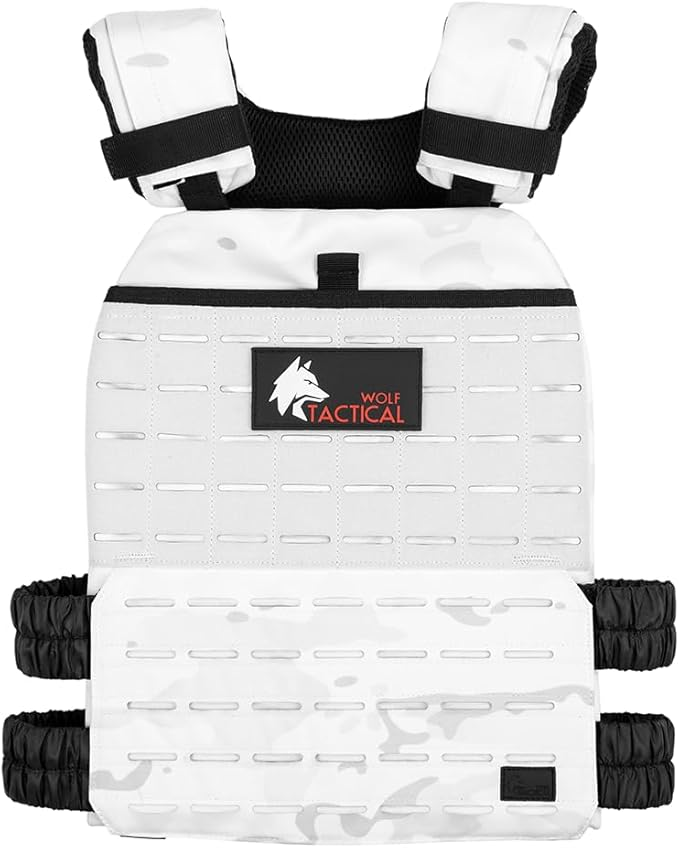
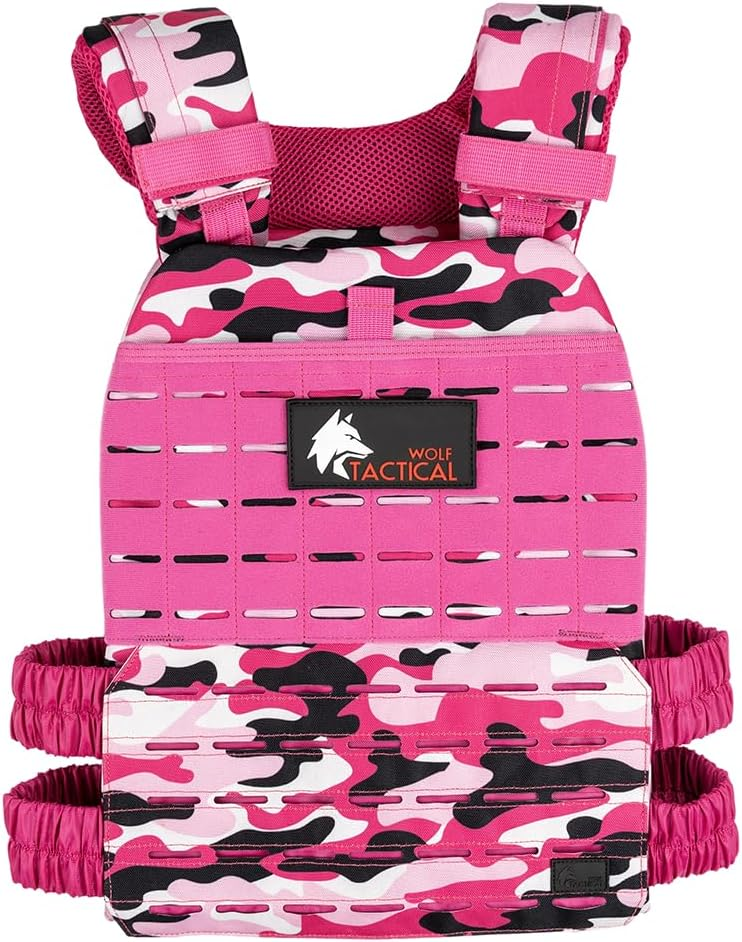
If you want an affordable, adjustable option that rides close and stays quiet on dirt, the Wolf Tactical Adjustable Weighted Vest is a solid start.

Prefer premium construction and excellent ventilation? The 5.11 Tactical TacTec Trainer Weight Vest is consistently comfortable on longer climbs.

Technique: hike stronger, stay safer
- Warm up 5–10 minutes unweighted, then don the vest.
- Uphill: shorten stride, keep cadence steady, drive elbows back; avoid leaning too far forward.
- Downhill: shorten stride more and land softly under hips; let poles take 5–10% of the load.
- Surfaces: start with crushed gravel or firm singletrack before technical rock or roots.
- Breathing: nose-in/mouth-out on flats; on climbs, use a 2-in/2-out rhythm to stay aerobic.
Plan your effort and track calorie burn
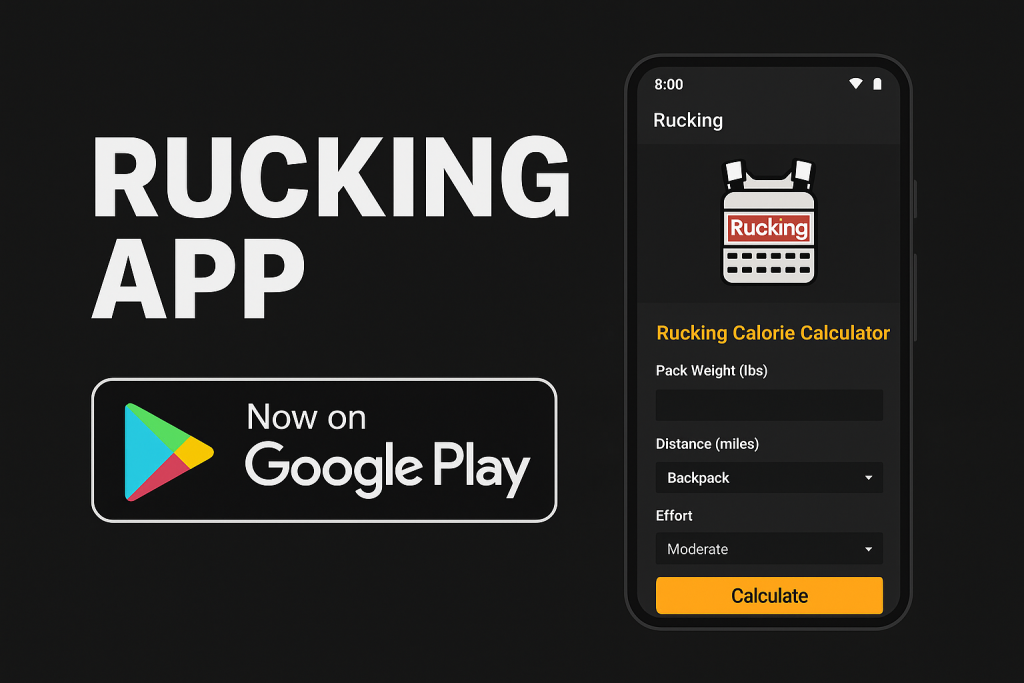
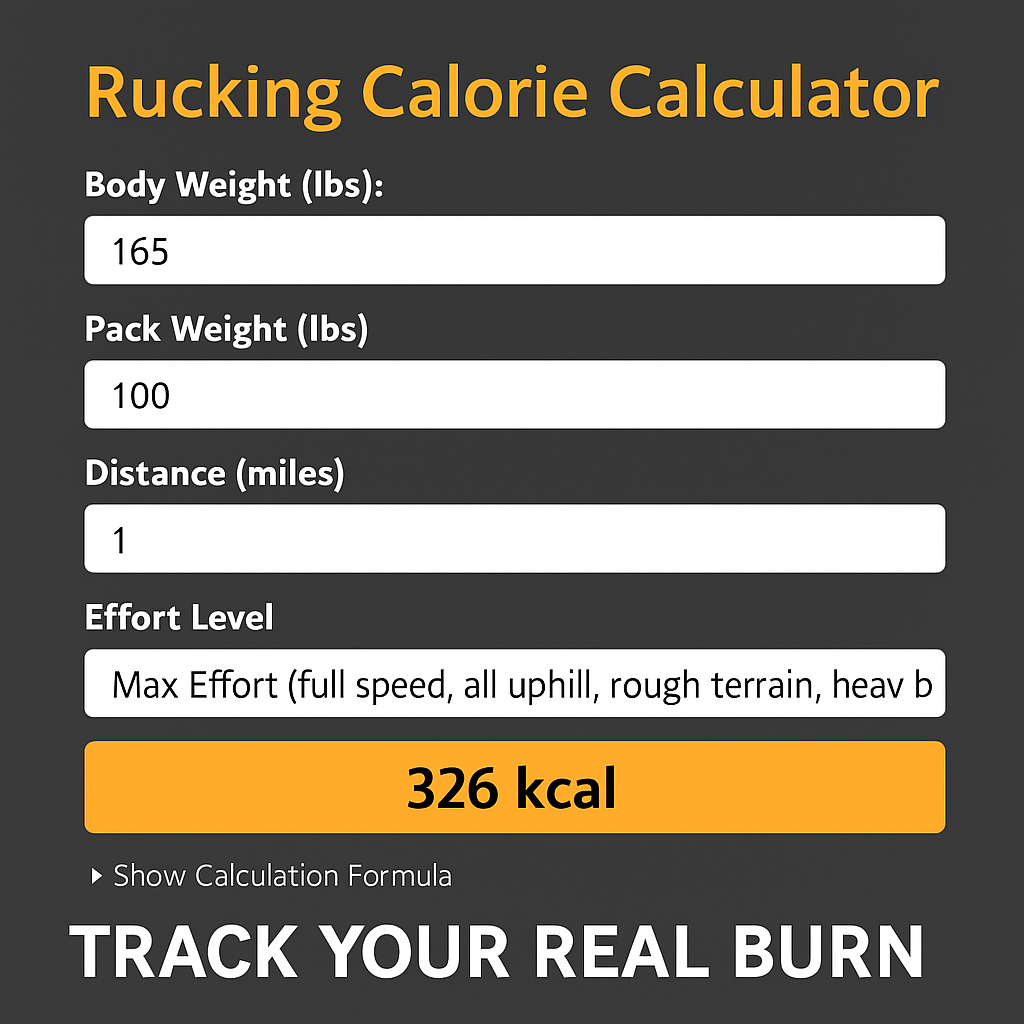
Estimate how much energy your vest hikes cost and scale the load or route accordingly. Use this simple tool to dial in distance, pace, bodyweight, and added load.

Tip: log your results alongside route, terrain, weather, and how your legs felt on the last descent. You’ll spot when to nudge weight up—or when to back off.
Simple weekly template
- Day 1: 40–60 min vest hike on rolling terrain at easy effort.
- Day 3: Hill repeats, 6–10 x 2–3 minutes climb, walk down recover.
- Day 5: Unweighted recovery hike or strength session (squats, split squats, calf raises).
- Day 7: Longer vest hike, 60–90 min on moderate grades; keep last 15 min easy.
Deload every 4th week: cut volume by ~30% and maintain weight. If knees or low back talk to you, reduce load first, not frequency, and prioritize technique review and softer surfaces.
Hydrate early and often, use poles on loose descents, and skip the vest in extreme heat or when carrying a kid or heavy daypack. If you have a history of joint or cardiovascular issues, get a quick medical green light before adding weight.