Why choose a weighted jacket for adults?
Weighted jackets give you an even, torso-centered load that’s ideal for walking, calisthenics, and daily wear to boost calorie burn without changing movement patterns. For adults looking to increase metabolic demand while keeping workouts simple, a jacket-style vest spreads weight across the shoulders and back and reduces local pressure points compared to plate carriers.
Key benefits
- Consistent, evenly distributed load for everyday activities.
- Improves posture and core engagement during normal movement.
- Easy progression by adding or removing small plates or sewn-in weights.
Fit and sizing: what matters for adults
Fit is the most important safety variable. A properly sized weighted jacket sits snug across the upper chest and traps, with minimal vertical movement as you walk or run. Too loose and the jacket shifts, which can cause chafing or alter gait mechanics; too tight and it restricts breathing and shoulder mobility.
Look for jackets with adjustable side straps or elastic panels, and try them with the load you intend to carry. If you’re shopping online, size up if you plan to layer base layers under the jacket. For daily wear or long walks, favor breathable fabrics and a fit that leaves full diaphragmatic breathing.
Progression and programming
Start light. For most adults new to weighted jackets, 2%–5% of body weight is a safe beginning point during walks or low-impact work—add load slowly week-to-week. Use this simple progression model:
- Week 1–2: Bodyweight only to establish baseline movement patterns.
- Week 3–4: Add 2%–3% bodyweight for 20–30 minute walks, twice weekly.
- Week 5+: Increase by 1%–2% every 1–2 weeks depending on comfort and recovery.
Training ideas
- Weighted walks: steady-state 30–60 minutes, maintain conversational pace.
- Short intervals: 10–20 minutes alternating brisk and recovery paces.
- Bodyweight strength: squats, lunges, and push variations with the jacket on for added resistance.
Safety and common pitfalls
Pay attention to breathing, posture, and joint pain. If you feel sharp pain in the shoulders, neck, or lower back, remove the jacket and reassess load distribution or size. Keep sessions shorter when increasing load and prioritize recovery—sleep, hydration, and mobility work.
Tools to plan your sessions
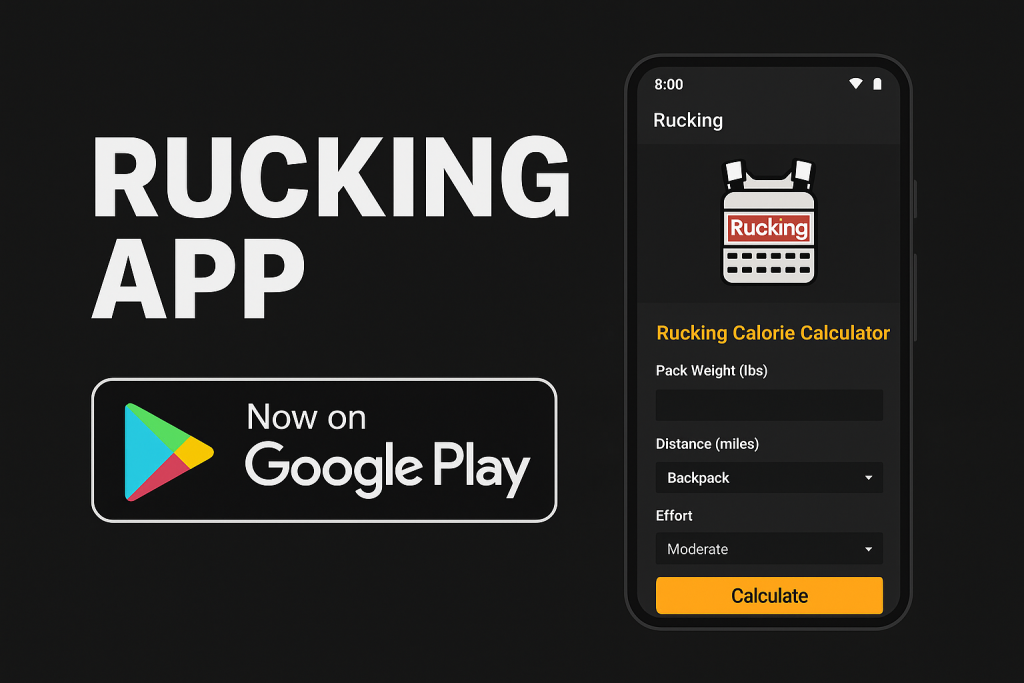
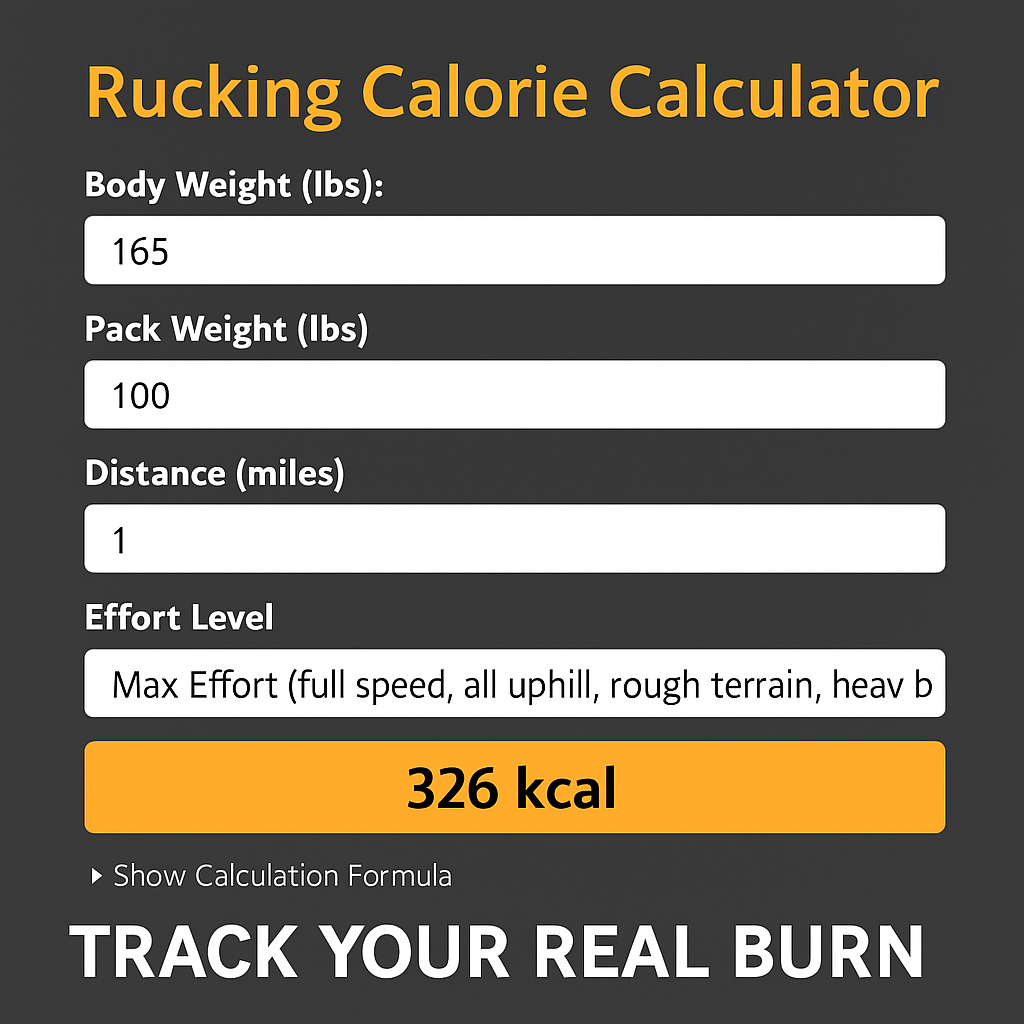
Use a simple calorie and intensity calculator to estimate impact of added load on energy expenditure. I recommend the rucking calorie calculator for practical estimates and session planning:

Click the screenshot to open the calculator and test different weights and paces so you can build sensible weekly targets.
Recommended gear for adults
For comfort-focused adult users, I often recommend jackets and vests designed with adjustable fit and breathable panels. Two practical, tested options:

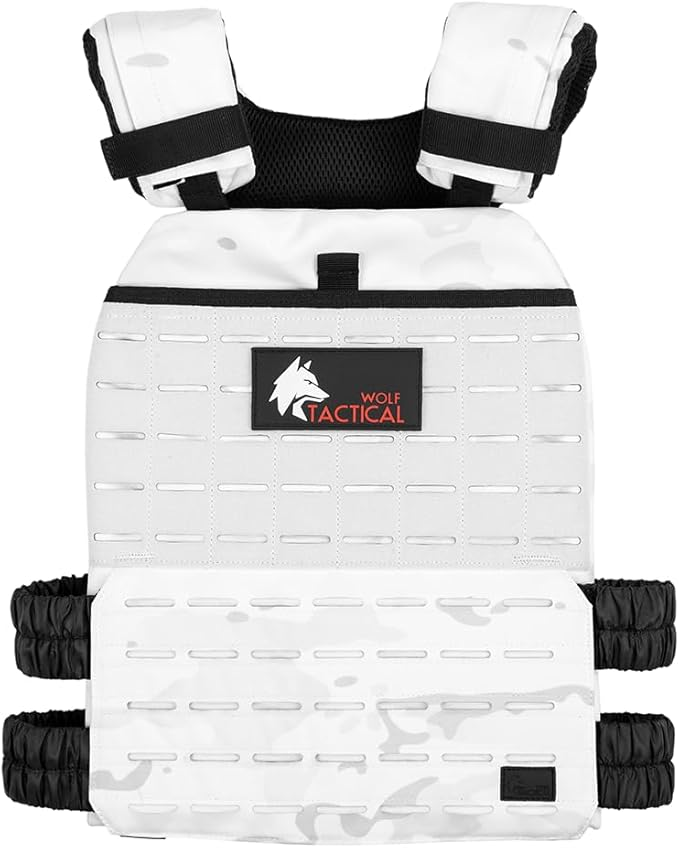
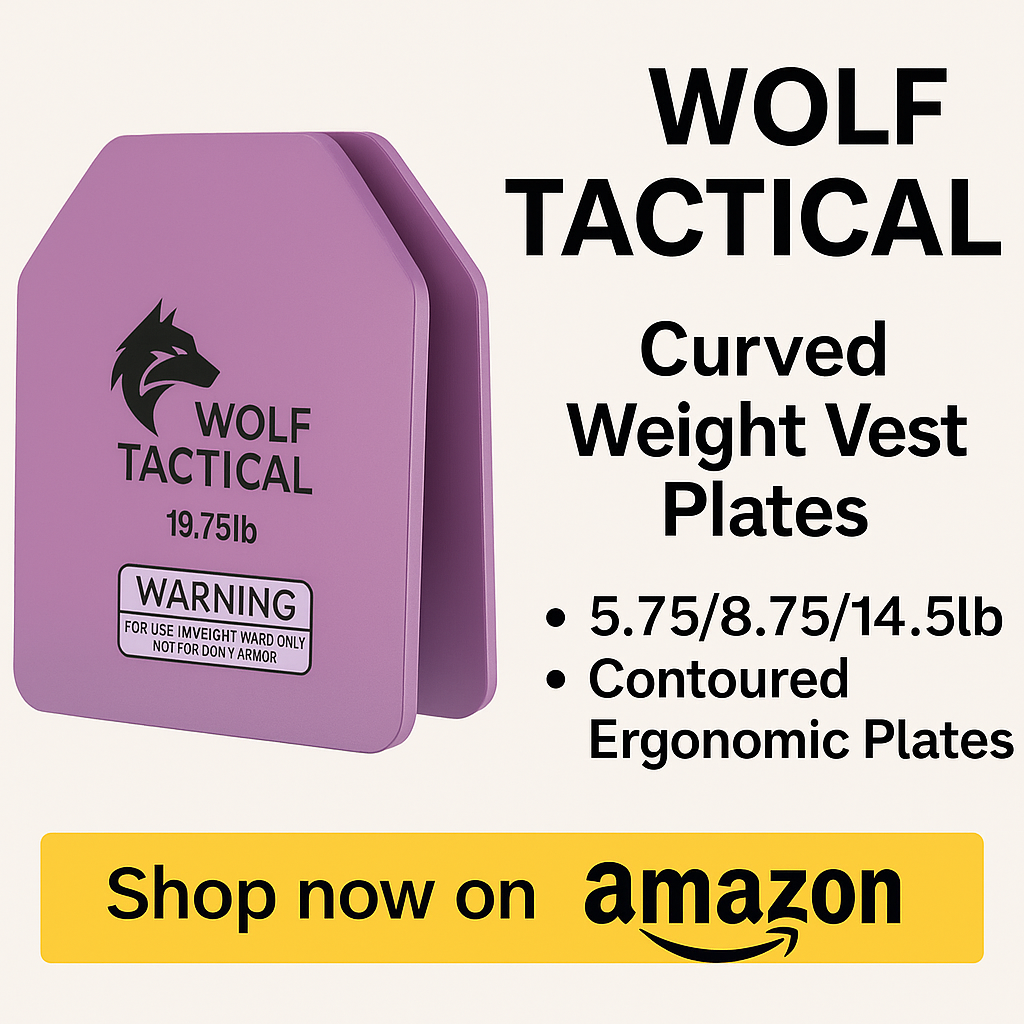
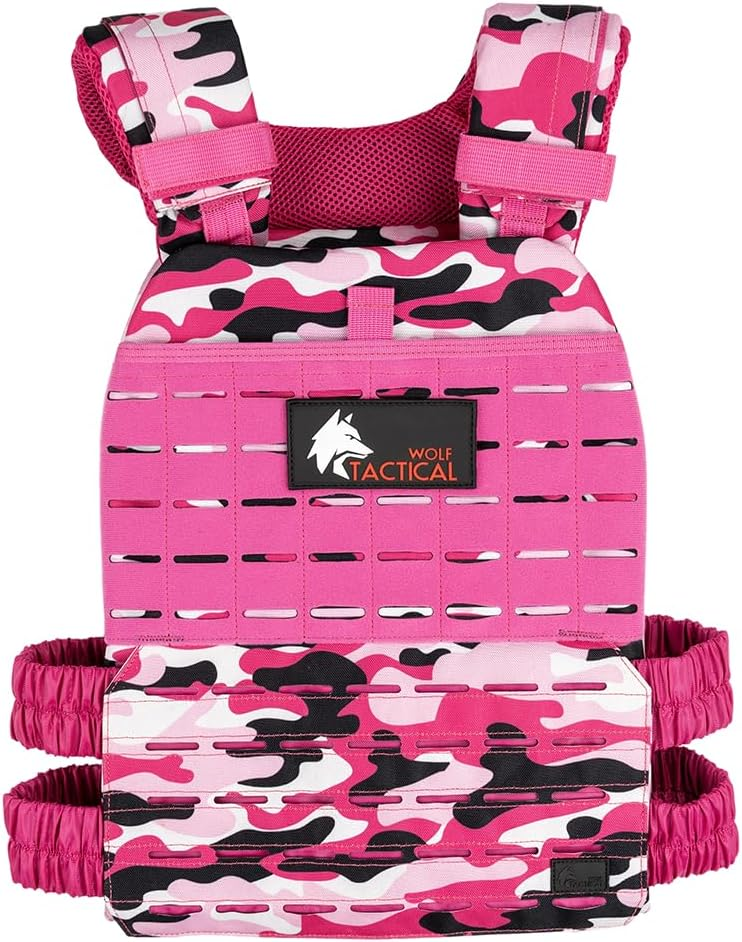
Consider the Wolf Tactical Adjustable Weighted Vest for a comfortable, beginner-friendly jacket-style option with room for small plates.

If you combine jacket work with longer rucks or need hydration on the trail, the CamelBak Motherlode pairs well with a lightweight jacket for extended sessions.
Final tips
Choose a jacket that allows full breathing, start light, and use the calorie calculator linked above to set realistic goals. Track how your body adapts and keep progression steady—this is an effective, low-complexity tool for adults who want to increase daily caloric burn with minimal training disruption.