Why use a weighted jacket for workout?
Weighted jackets add load close to your center of mass, letting you increase intensity for bodyweight work, walking, or interval training without changing movement patterns. Use one to boost calorie burn, strengthen posture muscles, and make familiar exercises — push-ups, pull-ups, lunges, and tempo hikes — more challenging without bulky plates at your back.
Benefits and practical limits
Weighted jackets are great for progressive overload but they aren’t a shortcut to bad form. Keep the weight conservative at first — 5–10% of body weight for beginners — and focus on controlled reps. Too much load too soon creates compensation patterns and joint stress.
Getting started: checklist and progression
Start with a short, structured progression to reduce injury risk and ensure consistent gains.
- Assess baseline: how many unweighted reps or comfortable walking minutes do you have?
- Begin with 5–10% bodyweight for 2–3 weeks, two sessions per week, and prioritize technique.
- Increase load by 5% once you can complete 2 consecutive workouts with improved form.
- Limit repetitive high-impact work with heavy jackets — prefer strength or low-impact cardio when loads exceed 15% bodyweight.
Sample 8-week progression (beginner)
- Weeks 1–2: Light jacket (5% BW), 2x/week, focus on 3 sets of bodyweight squats and 20–30 minute walk.
- Weeks 3–4: Increase to 7–8% BW, add incline walking and 2 sets of assisted pull-ups.
- Weeks 5–8: 10–12% BW for strength-focused sessions, 1 heavy session + 1 endurance ruck-style walk.
Safety tips and troubleshooting
Common issues are rounded shoulders, low-back soreness, and hip pain. Fix them by dialing back weight, shortening sessions, and supplementing with core and scapular control work. Warm up dynamically and cool down with mobility for chest, thoracic spine, and hips.
When to avoid a weighted jacket
- Acute joint pain or persistent low-back symptoms.
- High-impact speed work — sprinting with a heavy jacket increases injury risk.
- When balance is compromised — start low and use a rail or partner if needed.
Product options I recommend for jacket-style training
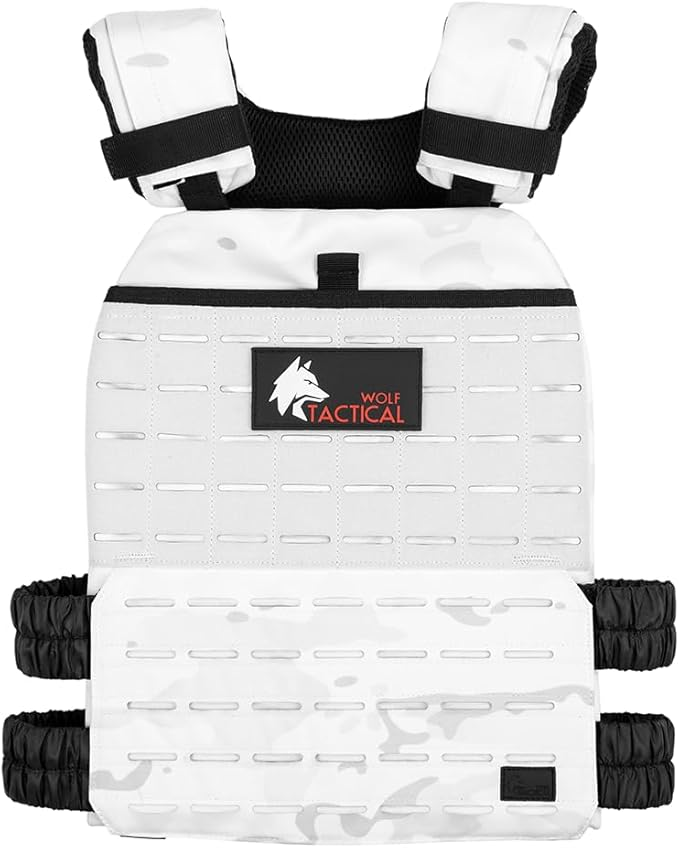
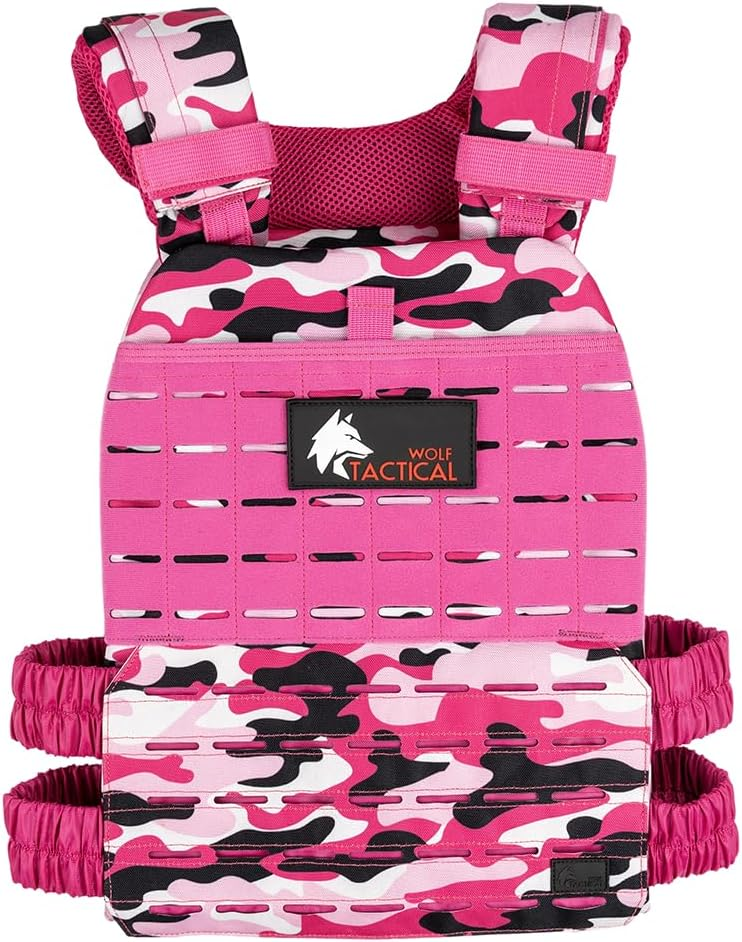
For jacket-style or integrated plate vests that fit like clothing, choose a design that centers load and allows good shoulder mobility. If you want a built-for-comfort option, consider the Wolf Tactical Simple Weighted Vest for walking and bodyweight training.

I also use a more structured training vest for heavy calisthenics days; the 5.11 TacTec Trainer is a reliable option when you want plate capacity and a military-grade fit. 5.11 TacTec Trainer Weight Vest is a solid midweight choice for focused strength work.

Estimate your calorie and effort impact
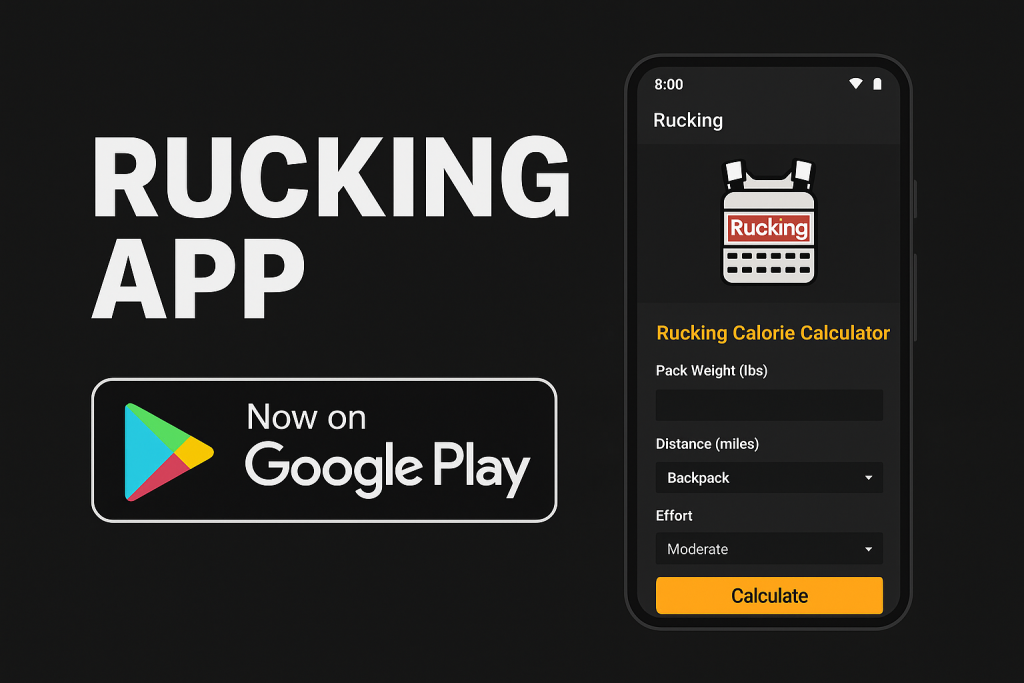
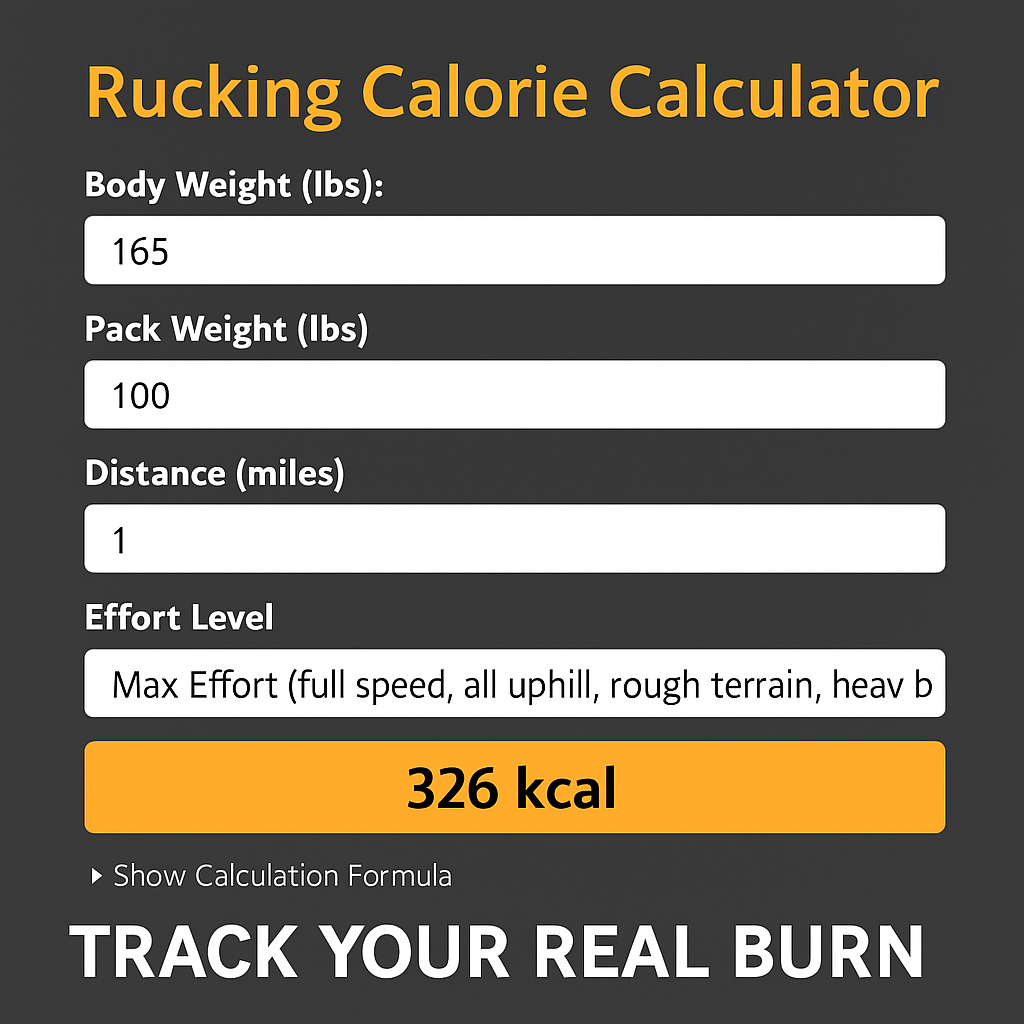
Want a quick estimate of how many calories a weighted jacket session burns? Use the rucking calorie calculator linked below — it works for jacket or backpack rucking and gives a practical baseline for planning progressive sessions.

Final coaching notes
Think of a weighted jacket as a training tool: it should complement, not replace, skill work and mobility. Start light, track progress, and treat discomfort as a cue to adjust load or volume. Over months, steady progression with a properly fitted jacket will deliver stronger posture, greater work capacity, and higher calorie burn without complicated programming.